

Serengeti Wildlife Index
A visual field guide to Serengeti animals and birds. Short notes for planning; deep guides coming for each species.
90+ Mammals
From aardvark to wildebeest across the ecosystem.
500+ Birds
Raptors, waterbirds, and colorful savanna residents.
Big Five
Lion, leopard, elephant, buffalo, and rhino.
Big Nine
Adds cheetah, giraffe, hippo, and zebra.
The Big Five
Serengeti is one of the few parks where all five are possible on a short safari.
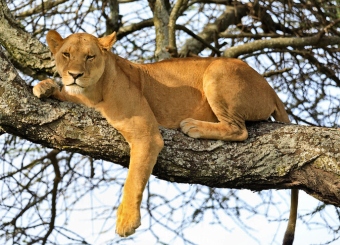
Lion
Lions are the defining predator of the Serengeti. An estimated 3,000-4,000 individuals live across kopjes, woodland edges, and open plains. Prides are most active at dawn and dusk, and sightings improve when guides follow migration herds in dry season.
Read more in our Serengeti animals guide, or plan a route through the Northern Circuit.
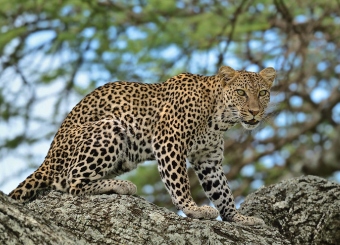
Leopard
Leopards are the most elusive of the Big Five. In Serengeti they often rest on sausage-tree branches, especially along the Seronera River. A patient guide who knows recent kills and favorite trees makes all the difference.
Pair leopard tracking with a longer stay on our 7-day Tanzania safari or see seasonal tips in the wildlife guide.
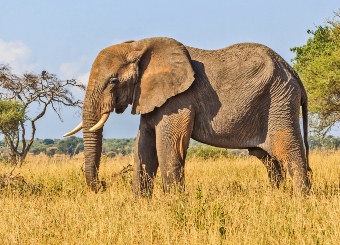
Elephant
African elephants move in matriarch-led family groups between grassland, drainage lines, and acacia woodland. They are intelligent, social, and surprisingly quiet when feeding. Numbers have recovered in recent years thanks to anti-poaching work in Tanzania.
Elephants appear on most northern routes. Compare parks on the Northern Circuit page or browse migration-focused itineraries.
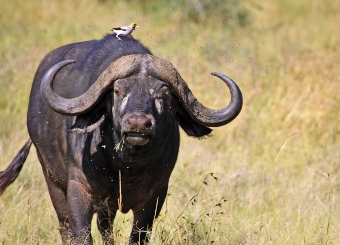
Buffalo
Cape buffalo gather in herds that can exceed 100 animals. They stay close to water, especially in dry months, and are among the easier Big Five species to find in Serengeti. Despite their calm grazing look, buffalo are unpredictable and should always be viewed with respect.
Buffalo often share habitat with lions near rivers. Learn how seasons change sightings in our migration month-by-month guide.
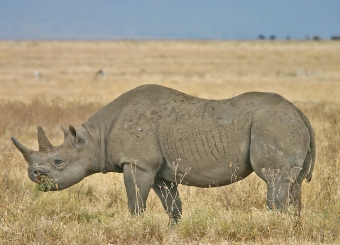
Black Rhino
Black rhino are rare and heavily protected in Serengeti. Sightings are never guaranteed, but focused routing improves your odds. Many travelers combine Serengeti with Ngorongoro Crater, where rhino density is higher on the caldera floor.
Ask us early if rhino is a must-see. See Ngorongoro day trip vs overnight and contact our Arusha team for custom routing.
The Big Nine
Add cheetah, giraffe, hippo, and zebra to the Big Five. All nine can appear on one game drive.
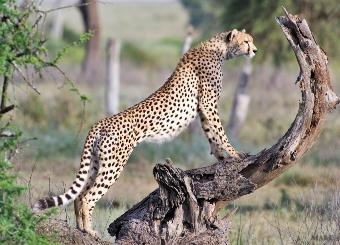
Cheetah
Fast hunter of open grasslands and southern plains.
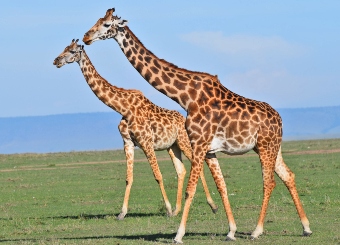
Giraffe
Maasai giraffe browse tall acacia canopies.
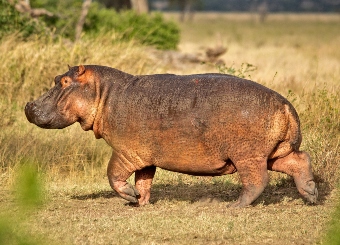
Hippo
River pods rest by day and graze after dark.
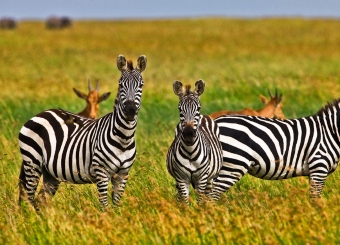
Plains Zebra
Striped herds move with wildebeest year-round.
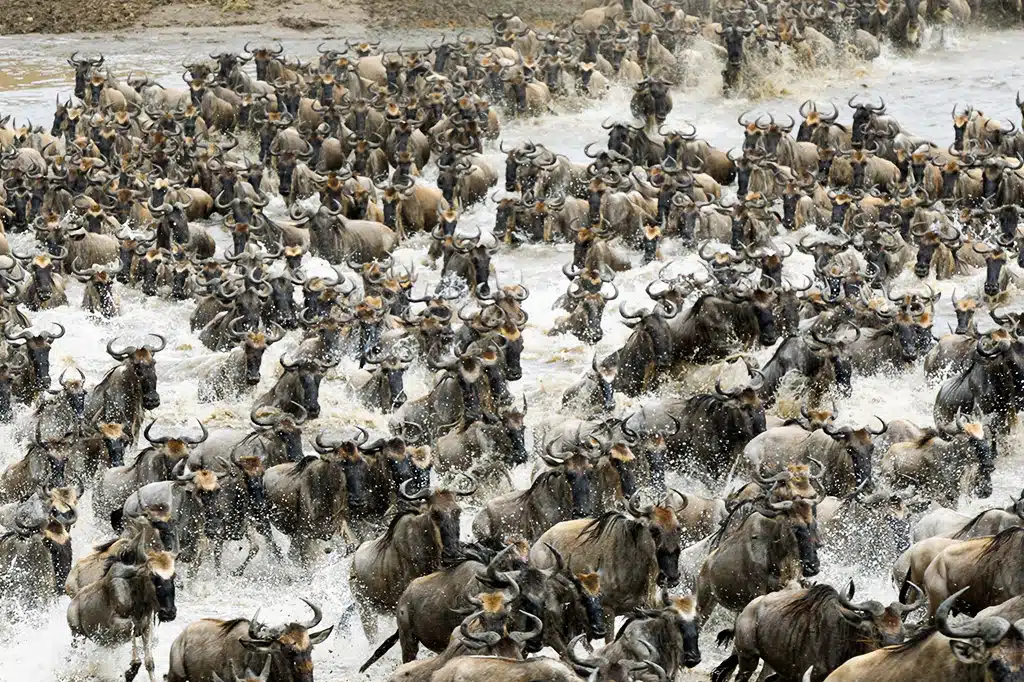
Great Migration
More than a million wildebeest and zebra cycle through Serengeti with predators in close pursuit. Timing depends on rain and grass.
More Serengeti Mammals
Beyond the headline species: antelope, primates, carnivores, and night creatures of the plains.
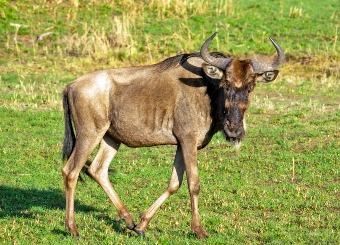
Wildebeest
Engine of the Great Migration across the ecosystem.
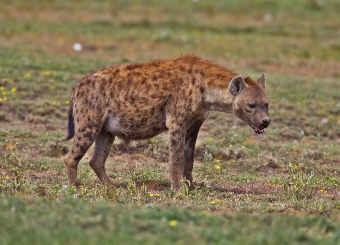
Spotted Hyena
Social predator; often heard whooping at night.
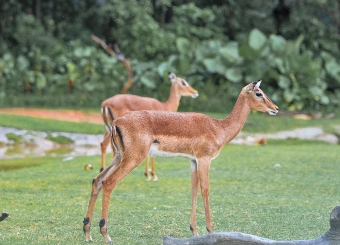
Impala
Common antelope near woodland edges and water.
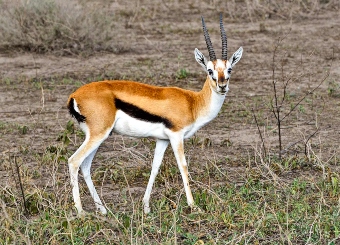
Thomson's Gazelle
Small gazelle with bold flank stripe on short grass.
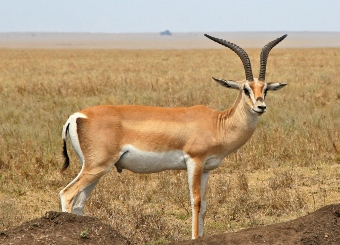
Grant's Gazelle
Larger gazelle of open plains and dry savanna.
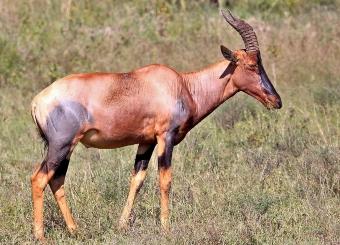
Topi
Reddish antelope of Serengeti flood plains.
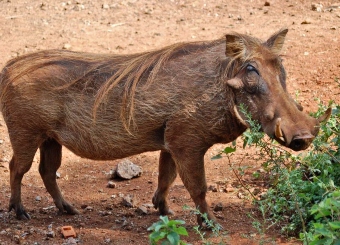
Warthog
Diurnal pig family trotting tail-up across plains.
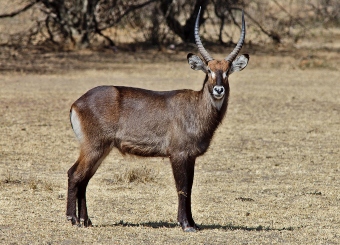
Waterbuck
Shaggy antelope tied to permanent water sources.
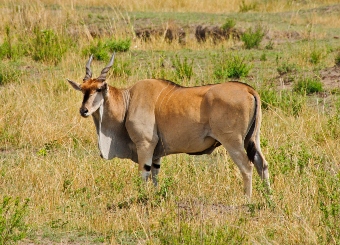
Common Eland
Heavy spiral-horned antelope of mixed savanna.
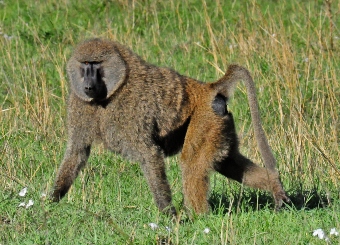
Olive Baboon
Large troops forage across woodland margins.
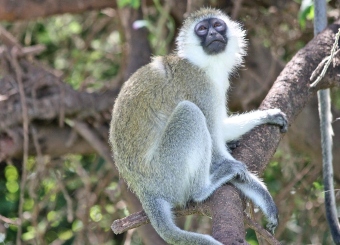
Vervet Monkey
Greenish monkey in acacia woodland troops.
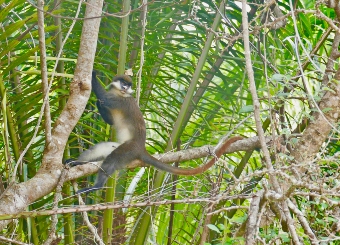
Red-tailed Monkey
Colorful forest-edge primate in riverine zones.
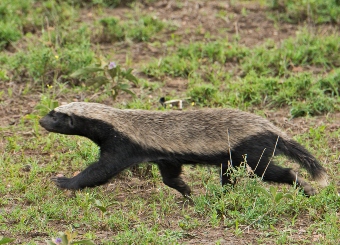
Honey Badger
Fearless forager active day and night.
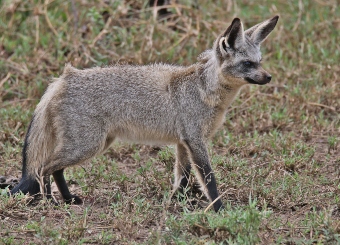
Bat-eared Fox
Small fox with huge ears; termite specialist.
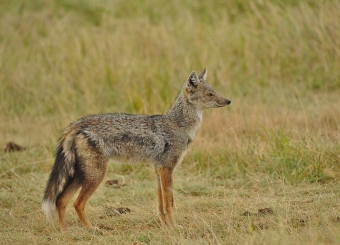
Side-striped Jackal
Shy jackal of bush and woodland fringes.
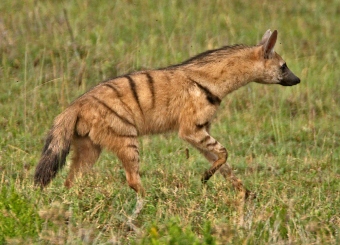
Aardwolf
Insect-eating hyena relative of open plains.
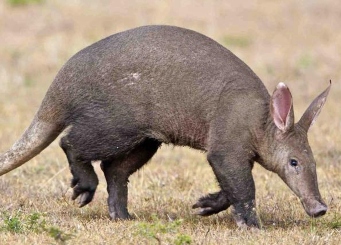
Aardvark
Nocturnal digger feeding on ants and termites.
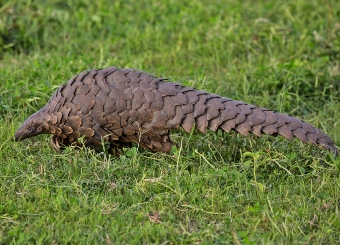
Pangolin
Elusive scaled mammal; very rarely seen.
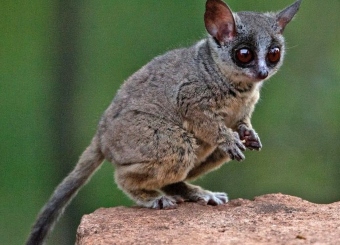
Bushbaby
Large-eyed night primate in riverine trees.
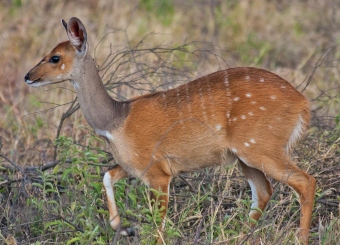
Bushbuck
Shy forest antelope with white body spots.
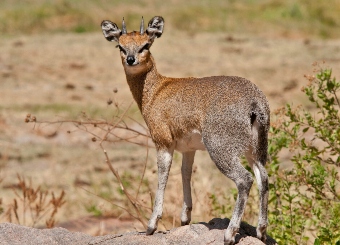
Klipspringer
Rock-hopping antelope on kopjes and outcrops.
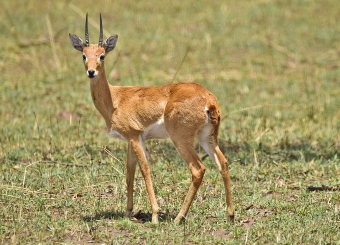
Oribi
Small grassland antelope; uncommon but present.
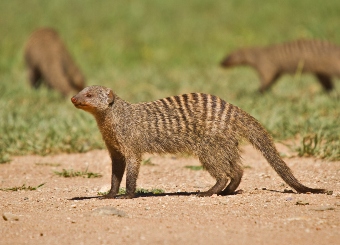
Banded Mongoose
Social mongoose foraging in tight colonies.
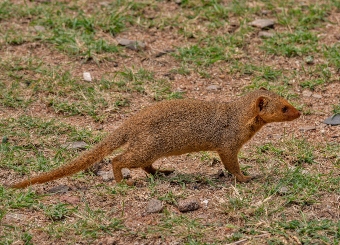
Dwarf Mongoose
Tiny mongoose near termite mounds and scrub.
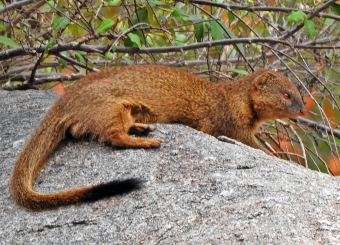
Slender Mongoose
Slim carnivore of savanna and thicket.
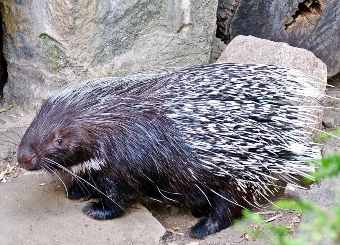
Crested Porcupine
Night rodent with black-and-white quills.
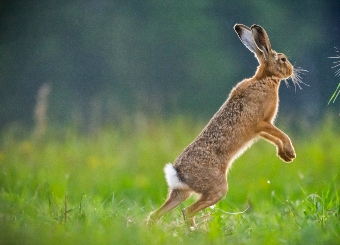
Spring Hare
Kangaroo-like rodent bounding from burrows.
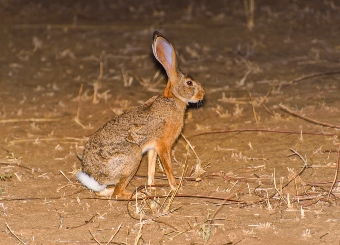
African Hare
Fast lagomorph of grassland and open scrub.
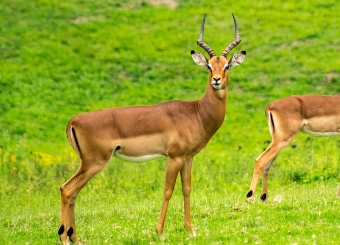
Antelope
Several antelope species share Serengeti plains.
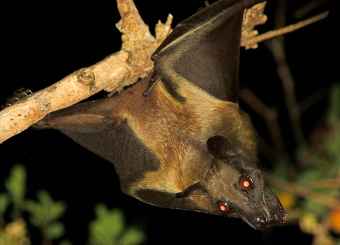
Straw-coloured Fruit Bat
Large fruit bat roosting in woodland colonies.
Birds of the Serengeti
Over 500 recorded species. Green season (Nov-Apr) brings migrants and breeding plumage.
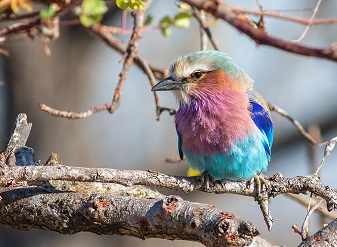
Lilac-breasted Roller
Iconic rainbow-plumed perch hunter of acacia.
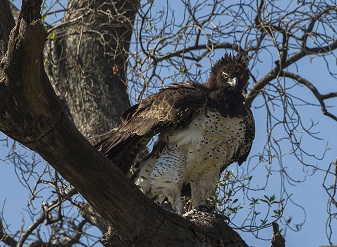
Martial Eagle
Africa’s largest eagle; powerful savanna raptor.
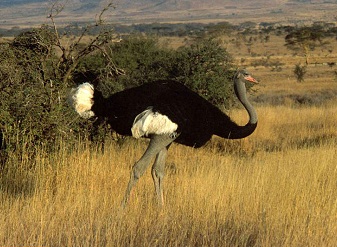
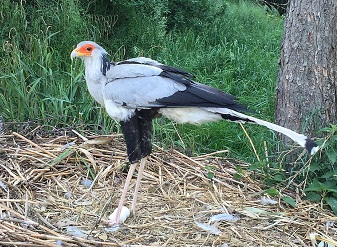
Secretary Bird
Long-legged raptor stomping snakes on grassland.
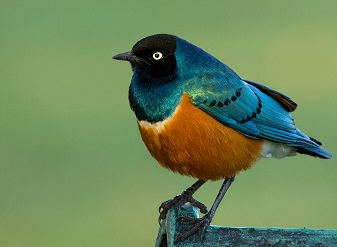
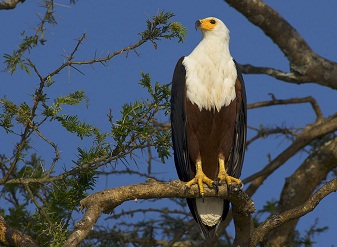
African Fish Eagle
Haunting call over rivers and waterholes.
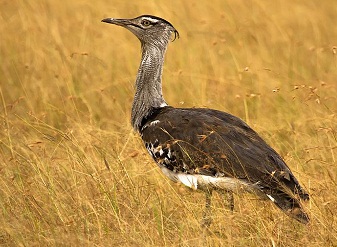
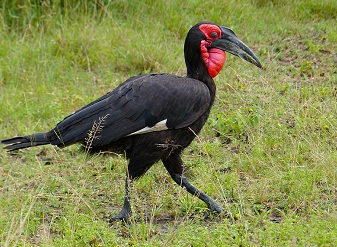
Southern Ground Hornbill
Large black ground bird in family groups.
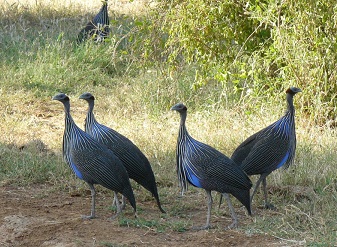
Vulturine Guineafowl
Striking blue-and-white guineafowl of dry bush.
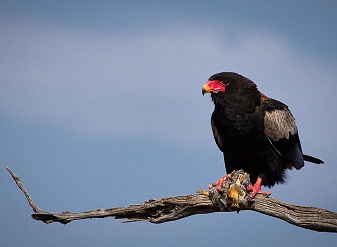
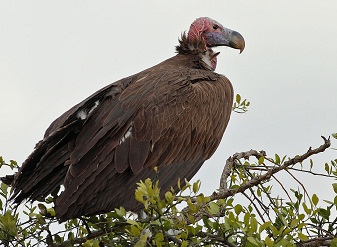
Lappet-faced Vulture
Massive vulture of dry savanna carcass sites.
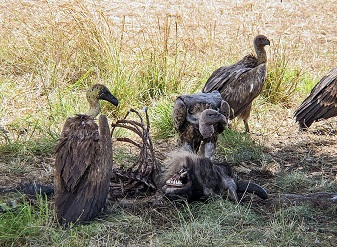
White-backed Vulture
Common scavenger at kills and crossings.
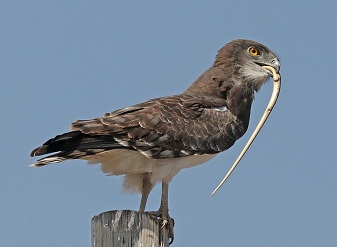
Black-chested Snake Eagle
Specialist raptor hunting snakes and reptiles.
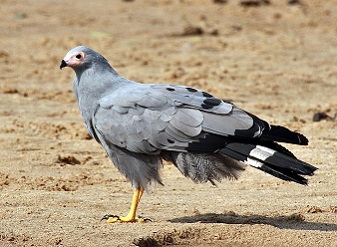
African Harrier Hawk
Agile hawk raiding nests in woodland.
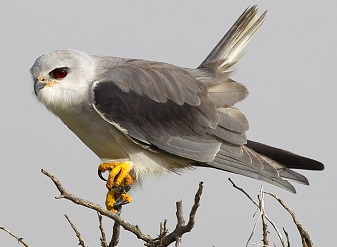
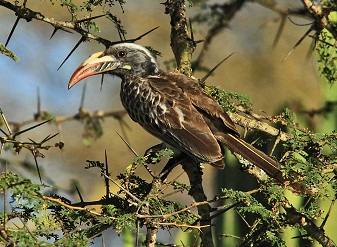
African Grey Hornbill
Common hornbill foraging in trees.
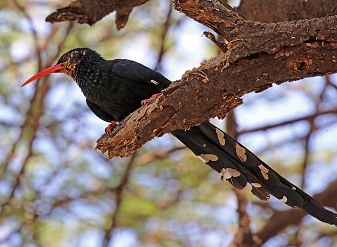
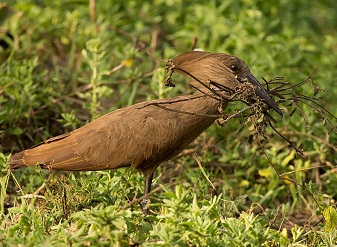
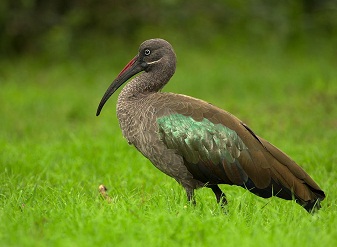
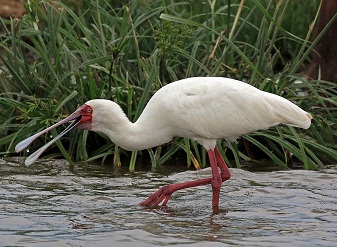
African Spoonbill
Spoon-billed wader sweeping shallow water.
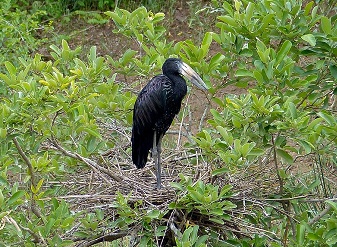
African Openbill
Gap-billed stork feeding on aquatic snails.
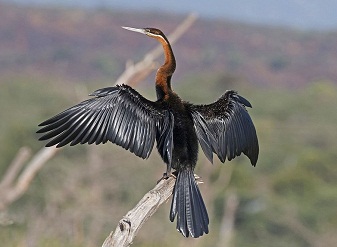
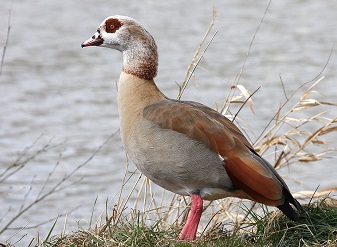
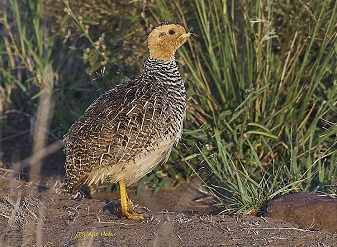
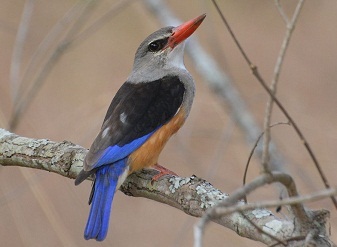
Grey-headed Kingfisher
Woodland kingfisher hunting lizards.
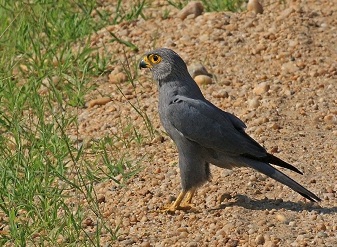
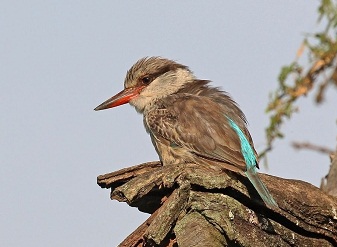
Striped Kingfisher
Small dry-country kingfisher on branches.
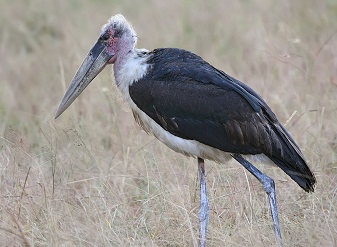
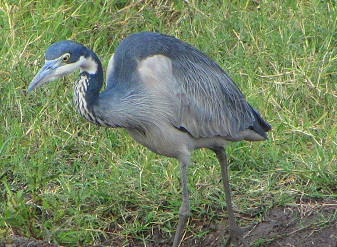
Black-headed Heron
Tall heron stalking wetlands and edges.
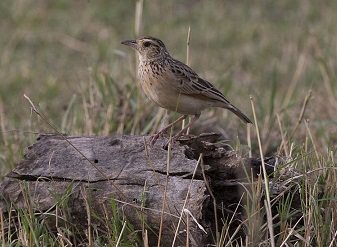
Rufous-naped Lark
Ground lark singing from grassland perches.
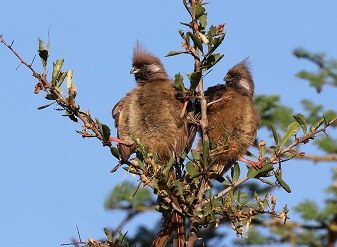
Speckled Mousebird
Long-tailed acrobatic bird in small groups.
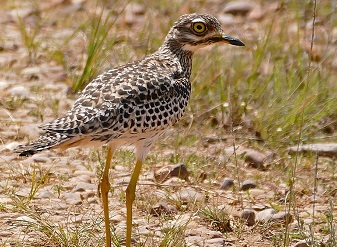
Spotted Thick-knee
Nocturnal ground bird camouflaged by day.
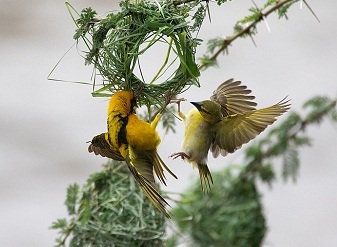
Southern Masked Weaver
Yellow weaver building grass nests in trees.
Planning Your Serengeti Safari?
Use this index to pick species you want to see. Our full guide covers regions, seasons, and FAQs.
