

Rufous-naped Lark in the Serengeti
The rufous-naped lark is a medium-sized lark of open short-grass plains — cryptic on the ground but unforgettable in display flight. Males rise vertically on fluttering wings, singing a rich, melodious phrase before parachuting back to a termite mound or grass tussock.
In Serengeti, rufous-naped larks are widespread from Seronera to the southern plains and western corridor glades. They are one of the signature sounds of dawn on the savanna — a reward for guests who start game drives before breakfast.
Pair lark listening with coqui francolin calls and kori bustard walks for a complete grassland birding morning.
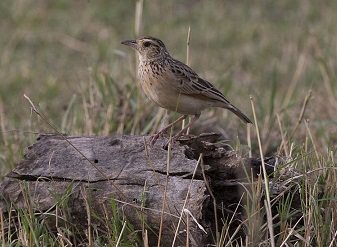
Male rises and sings in fluttering flight
Short grass from Seronera to Ndutu
Singing strongest at first light
How to identify a rufous-naped lark
Medium lark with rufous-brown upperparts, a distinct rufous patch on the nape, and pale underparts with fine streaking on the breast. Bill is stout and pinkish; tail is dark with white outer feathers visible in flight. On the ground, the bird walks with a horizontal posture — easy to overlook until it sings.
In display, the male flies vertically 10–20 metres, wings fluttering rapidly, delivering a clear whistled phrase. The rufous nape is most visible when the bird is alert on a perch. Do not confuse with smaller pipits — larks are bulkier with a heavier bill and more deliberate walk.
Compare grassland birds on the same route via our coqui francolin guide and wildlife gallery. Learning the display song before your trip helps you pick larks out from pipits and cisticolas on the first morning drive.
Display flight on the Serengeti plains
Rufous-naped larks breed during and after the rains when grass is short and territories are visible. Males defend raised perches — termite mounds, rocks, and grass tussocks — from which they launch display flights that advertise territory to rivals and females.
On the ground they forage for seeds and insects, often alone or in pairs. They are wary of vehicles and may drop into grass if approached too fast — slow down when you hear singing overhead and scan for the descending bird.
Read the Serengeti wildlife guide for seasonal grassland birding on the Northern Circuit.
Where to see rufous-naped larks in Serengeti
Scan short-grass plains, firebreak edges, and open glades west of woodland belts. Larks avoid tall grass — they need visibility for display perches and predator detection. After burns, fresh green shoots attract insects and singing males return within days.
Every species is indexed on our wildlife gallery. Combine lark stops with raptor scanning — black-winged kites often hunt the same open country at mid-morning.
Ndutu and short-grass flats — dawn display flights in the green season.
Central plains game drives cross prime lark territory at first light.
Fresh fire edges — males sing from termite mounds on bare soil.
Open glades between Grumeti woodlands — quieter roads, patient listening.
Dawn chorus on the plains
The rufous-naped lark is one of the first birds to sing at dawn on the Serengeti plains. Males begin display flights before the sun clears the horizon, their melodious phrases carrying across open grassland when mammals are still resting and the air is cool and still.
Ask your guide for at least one pre-breakfast departure — larks, francolins, and raptors are most active in the first 90 minutes of daylight. A 7-day Northern Circuit safari with early starts in Serengeti National Park maximises grassland birding.
Safari tips for rufous-naped lark sightings
Leave camp at first light — display song peaks in the first hour.
Song from above often reveals a bird invisible on the ground.
Termite mounds and rocks — favourite display perches.
Book a 7-day Northern Circuit safari with early starts in Serengeti National Park.
Plan a dawn grassland birding safari in Serengeti
From rufous-naped larks to francolins and kori bustards, we build private routes with early starts and open-plains birding built into every Northern Circuit day.
