

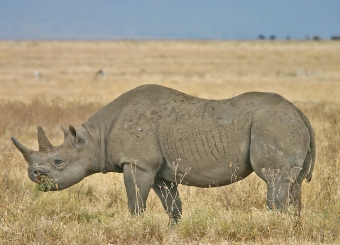
Black Rhino in the Serengeti
Among the Big Five, the black rhino is the hardest to see in Serengeti National Park. A small, heavily guarded population survives in thick bush sectors where browsing habitat meets permanent water — but sightings are never routine. For many travelers, a rhino encounter is the capstone of a lifetime safari, not a box ticked on the first morning drive.
Unlike lions on open plains or buffalo at river margins, rhino reward patience, ranger intelligence, and itineraries built with realistic expectations. Tell your operator early if black rhino is a priority so camp zones, drive time, and optional Ngorongoro Crater days align with your goal.
Serengeti rhino are part of a wider East African recovery story — intensive anti-poaching patrols, habitat protection, and community partnerships that keep one of Africa’s most threatened megafauna on the landscape. Every responsible sighting supports conservation when guests book licensed operators and never share exact locations publicly.
Why black rhino conservation matters in Tanzania
Black rhino populations collapsed across Africa in the late twentieth century under intense poaching pressure for horn. Tanzania invested in ranger patrols, translocation programs, and strict monitoring — Serengeti’s remnant animals are among the most closely watched individuals on the continent. Each surviving rhino represents decades of field work, not luck alone.
Responsible tourism funds that protection indirectly through park fees and licensed operators who employ local communities. When you plan a rhino-focused route on the Northern Circuit, you support the same ecosystem that holds migration herds, predators, and the full Big Five indexed on our wildlife gallery.
Never geotag or broadcast live rhino locations on social media — poaching networks monitor public posts. Share the experience; protect the coordinates. Read the full planning picture in our Serengeti wildlife guide.
Identifying black rhino in the bush
Serengeti holds the hook-lipped or black rhino — a browser with a pointed upper lip adapted for plucking leaves and twigs from shrubs. Adults are compact and aggressive when cornered; calves stay close to mothers in dense cover. The prehensile lip, two horns (front horn longer), and thick grey skin distinguish them from any other large mammal on the savanna.
White rhino — a square-lipped grazer — is not present in Serengeti. If you see a rhino on open short grass in Tanzania, it is almost certainly black rhino in suitable browse habitat or, more commonly on combined itineraries, black rhino on the Ngorongoro Crater floor where density is higher than anywhere in the wider ecosystem.
Compare easier Big Five sightings with our Serengeti lion guide and buffalo guide, then index every species on the wildlife gallery.
Behavior, rarity, and what to expect on game drives
Black rhino are largely solitary. Adults maintain overlapping home ranges in thick bush, emerging to browse at dawn and dusk when temperatures are cooler. They have poor eyesight but acute hearing and smell — a vehicle that approaches quietly and stops at distance is less likely to push an animal deeper into cover.
Serengeti sightings are sporadic compared with lion or elephant. Rangers and veteran guides share general sector reports, not GPS pins. Extra days in the park improve odds marginally; pairing Serengeti with Ngorongoro Crater improves them substantially. On the caldera floor, black rhino are among the most sought-after sightings — read our Ngorongoro day trip vs overnight guide to choose the format that fits your schedule.
Rhino are not migration followers — they depend on permanent browse and water in woodland belts. During dry season they may concentrate near springs; in wet months they disperse into thicker vegetation where scanning from roads is harder. A rhino-focused safari is a different rhythm from migration chasing: slower loops, more time in bush sectors, and patience when other vehicles rush past for cats.
Where to see black rhino near Serengeti
Most travelers who list rhino as a must-see build a Northern Circuit combo: Serengeti for the full safari experience, then Ngorongoro Crater for the best black rhino odds in Tanzania. Tell your Arusha operator upfront — routing, lodge nights, and crater descent timing all change when rhino is the priority.
Every Big Five species is indexed on our Serengeti wildlife gallery. For park logistics and camp zones, see Serengeti National Park on the Northern Circuit.
Moru Kopjes and remote woodland belts — sporadic sightings where browse meets drainage lines; ranger reports guide focused loops.
Caldera floor — highest black rhino density on the circuit; combine with Serengeti on a 7-day route for the classic Big Five finish.
Heavily patrolled zones where monitoring teams track individuals — access follows park rules; never expect guaranteed views.
June–October browse pressure near water — slightly better scanning odds when animals move to known drainage lines at dawn.
Safari tips for black rhino sightings
Rhino-focused routing needs extra crater days or bush-sector time — not a last-minute add-on.
Serengeti plus crater is the standard strategy when black rhino is your must-see species.
Never share live rhino coordinates online — conservation depends on discretion.
Ask guides about recent ranger rhino reports without expecting pins on a map. Pair rhino goals with realistic Big Five pacing — lions and buffalo fill the hours between rare bush encounters. Contact our Arusha team to build a private route with rhino as a stated priority.
Plan a Serengeti safari with black rhino in mind
We tailor private Northern Circuit routes from Arusha — Serengeti bush time, Ngorongoro Crater descents, and guides who understand rarity without overpromising.
