

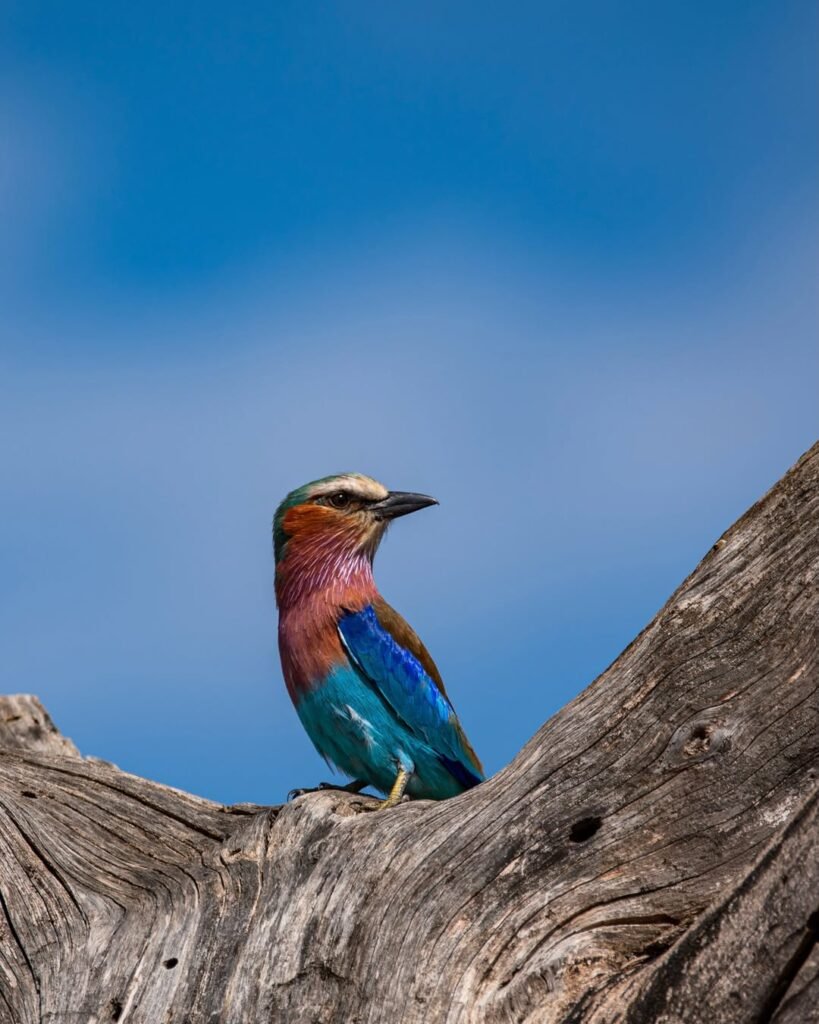
Lilac-breasted Roller in the Serengeti
Tanzania’s most photographed bird flashes turquoise, lilac, and cinnamon from acacia tops across the Serengeti. Rollers perch in the open, swoop after insects, and often sit close enough for binoculars or a telephoto lens on a standard game drive.
Coracias caudatus is resident across the park, so rollers reward guests on every month of travel — not only peak safari season. Their habit of returning to the same perch makes them ideal for photographers learning African birding.
Coracias caudatus
Scientific name
36–38 cm
Body length
Year-round
Best months
Least concern
IUCN status
36 cm
Average body length
8+
Plumage colors on display
365
Days visible in Serengeti
#1
Most photographed Serengeti bird
Why every safari guest looks for a roller
Unlike shy forest birds, lilac-breasted rollers hunt from exposed perches on acacia edges and roadside wires. Guides often spot them between mammal sightings, making them a reliable highlight for photographers and first-time visitors alike.
Rollers perform short sallies after large insects and occasionally take small lizards from the ground. Courtship flights with rolling twists give the family its name — listen for harsh chatter when pairs defend a tree.
Pair a roller morning with big cats on our Northern Circuit route, or browse every species on the Serengeti Animals & Birds gallery. Read the full Serengeti wildlife guide before you travel.
How to identify a lilac-breasted roller
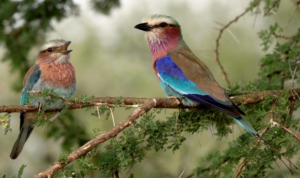
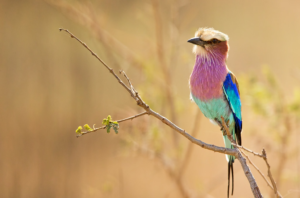
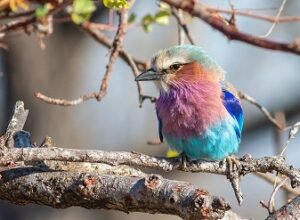
Look for a stocky bird with a lilac breast, turquoise belly, and long tail streamers. In flight the wings flash cobalt and the bird often calls with a harsh, rolling chatter. Adults are unmistakable; juveniles are duller but still show the roller silhouette.
Separate from European roller on migration overlap by richer lilac tones and longer tail streamers. At distance, the turquoise wing panel in flight is the quickest field mark on a moving bird.
Where to see rollers in the Serengeti
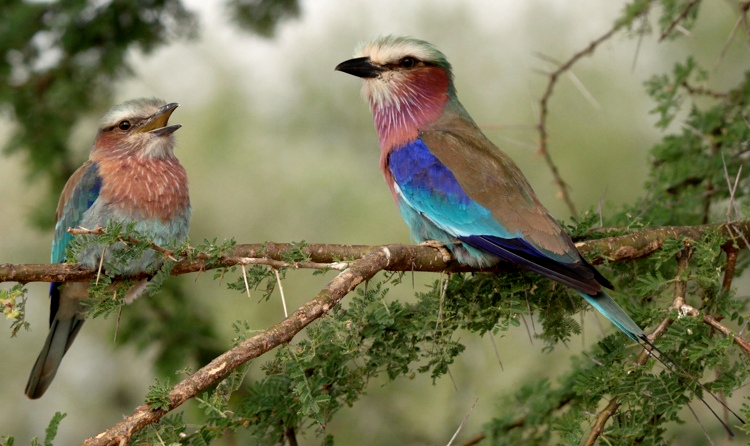
Rollers favor open woodland and acacia savanna. In Serengeti National Park they are common along the Seronera valley, near camp clearings, and on quiet tracks where insects gather at dawn.
They use the same perch repeatedly, so a patient stop often rewards you with a second fly-past. Ask your guide to slow near isolated trees after rain, when beetles and grasshoppers are active.
Dry season concentrates insects along water edges; green season spreads rollers across flowering woodland. Either month works — light and perch choice matter more than a narrow calendar window.
See this species and 30+ more birds on our wildlife gallery, or read the full Serengeti animals & birds guide on the Northern Circuit.
Habitat
Acacia woodland edges, kopjes, and open plains with scattered trees. Often on low wires near camps.
Diet
Large insects, beetles, and small reptiles caught in short sallies from a perch.
Behavior
Territorial pairs perform rolling courtship flights. Calls are loud and carry across open savanna.
Best times to spot lilac-breasted rollers
Rollers are resident, so any month works. Light, insect activity, and your route through the park matter more than a narrow season window.
June to October offers crisp golden light for photography; November to May brings lush backdrops and courtship displays after rains. Combine rollers with raptors on a 7-day Northern Circuit safari through Serengeti National Park.
Dry season (Jun–Oct)
Clear skies and golden light for photography. Insects concentrate near water, so rollers hunt actively at dawn.
Green season (Nov–May)
Breeding plumage and courtship displays peak after rains. Lush backdrops and fewer vehicles on some tracks.
Northern Circuit routing
Combine Serengeti with Tarangire and Ngorongoro for varied habitats. Rollers appear on most northern game drives.
Rollers on a real Serengeti safari
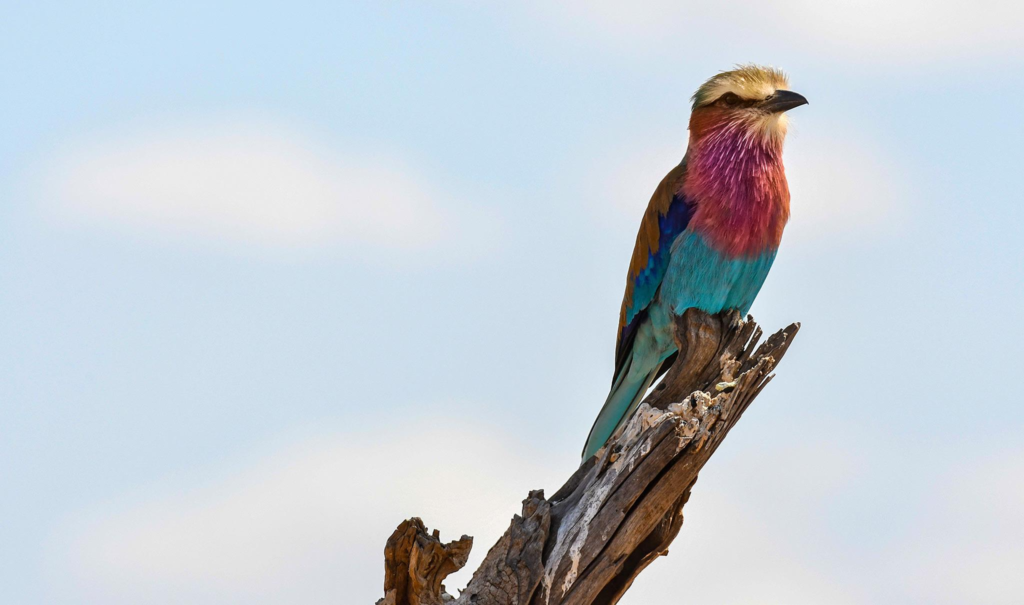
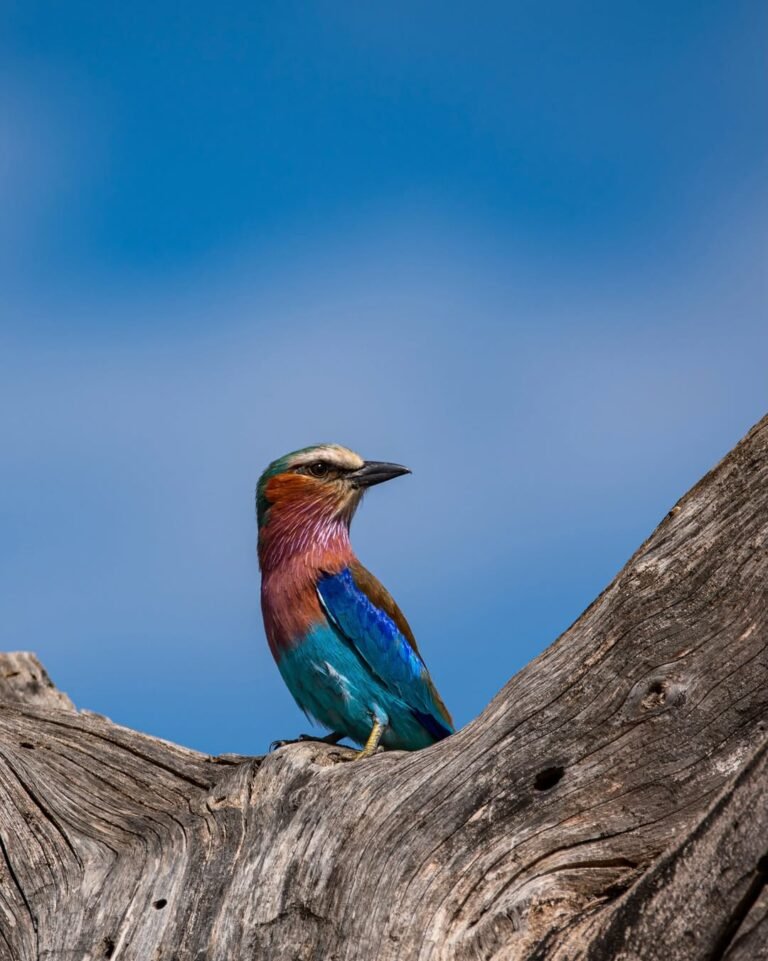
These photos are from Zamadam Adventure routes in Serengeti National Park. Every image shows a lilac-breasted roller, not a stock mislabel.
Rollers often appear on the same acacia loops as superb starlings and grey hornbills — a colourful trio on any woodland-edge morning.
Plan a Serengeti safari with birding time built in
Zamadam Adventure is based in Arusha. We route your days so rollers, raptors, and big game all get unhurried time on the ground.
Tell us if the lilac-breasted roller is on your must-see list — we build acacia-edge stops into every private itinerary.
Rollers are Tanzania’s most photographed bird for good reason — we balance perch time with predator drives on every Northern Circuit route. Browse the full wildlife gallery before you travel.
