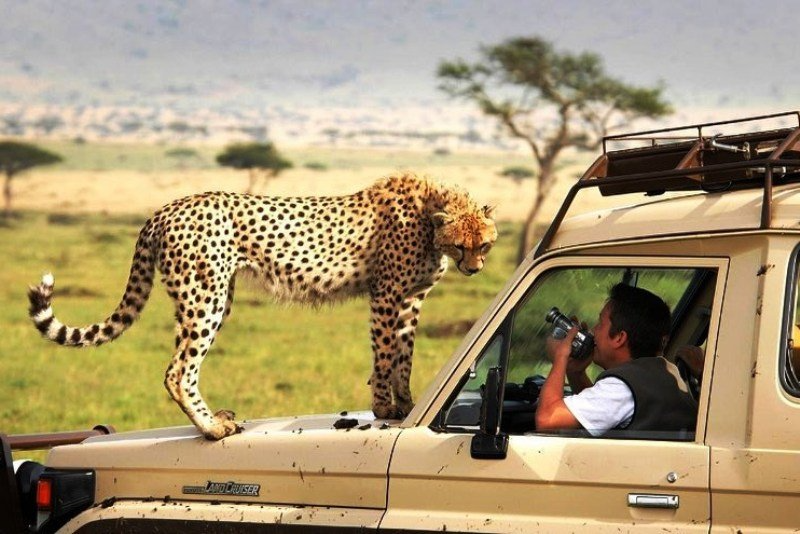
How do you go to the bathroom on a safari? If that question has kept you up at night while planning your Serengeti trip, you are in very good company. I work from Arusha at Zamadam Adventure, and bathroom on safari is one of the first practical worries guests whisper about – often before they ask about lions, visas, or flight times. The honest answer is simpler than your imagination: you will always have a plan, your guide handles stops calmly, and camps and lodges are far more comfortable than most first-timers expect.
On a typical Northern Circuit day, you use proper toilets at your lodge or tented camp morning and night, and you take guided bush stops during game drives when nature calls. Guides know safe, discreet spots away from wildlife trails. Vehicles carry hand sanitizer. Serious operators brief you on etiquette before you leave the gate. This 2026 Serengeti practical guide walks through every scenario – bush stops, long drive days, female travelers, kids, accessibility, and what we actually provide – so you can focus on the wildlife instead of the worry.
How Do You Go to the Bathroom on a Safari?
You go to the bathroom on a safari in three main ways: at your lodge or camp, at official park picnic sites with toilet blocks, or during a supervised bush stop behind the vehicle with your guide watching for wildlife. Most travelers use a mix of all three in a single day. Your guide schedules breaks around drive time, meal stops, and known facilities so you are never hours away from a reasonable option.
I still remember a first-time guest from Chicago who apologized three times before her first bush stop near Seronera. Ten minutes later she was laughing with her husband about how much scarier it sounded than it was. That pattern repeats constantly. The anticipation is worse than the reality – especially when you know what to expect before you land in Tanzania.
Bush Stops and Safari Toilet Etiquette
A bush stop – sometimes called a “bush toilet” or “bush pee stop” – is the classic open-country bathroom on safari. Your guide pulls the vehicle off the track to a clear area with good visibility, checks for animals and other vehicles, and positions the car to give you privacy. You go behind the vehicle or behind a termite mound or small ridge, do your business quickly, and return to the car.
Basic bush stop rules our guides teach every guest
- Never wander alone. Stay within sight of the vehicle and follow your guide’s instructions.
- Check wind direction. Guides position the car so you are downwind from other guests when possible.
- Go quickly and stay alert. You are in wildlife habitat; lingering to scroll your phone is not a good idea.
- Pack out toilet paper in a zip bag if there is no bin. Burning or burying paper is discouraged in many park zones.
- Use hand sanitizer before re-entering the vehicle. We keep bottles in every door pocket.
- Respect other vehicles. Guides radio each other to avoid stopping two groups in the same open area.
Bush stop etiquette is not about embarrassment – it is about safety and leaving no trace. Tanzania National Parks (TANAPA) manages Serengeti as a protected wilderness, and small habits like carrying out tissue matter for ranger teams who maintain picnic sites and roads.
Travel Tip: Wear easy-off layers on game drive mornings. A loose skirt or zip-off trousers makes bush stops faster and less awkward when the vehicle roof is full of binoculars and cameras.
What Your Safari Guide Provides for Bathroom Stops
A professional guide does far more than point at elephants. On bathroom logistics, here is what Zamadam Adventure vehicles and guides carry as standard on every Serengeti game drive.
- Hand sanitizer (alcohol-based, replenished daily)
- Bottled drinking water for rinsing hands if needed
- Wet wipes on request for family groups
- Knowledge of picnic sites with flush or pit toilets along your route
- Radio coordination with other guides for safe, private stop locations
- Patience and discretion – no jokes, no rush, no commentary over the radio
We do not supply disposable toilet seats or portable camping toilets in standard 4×4 vehicles unless a guest requests them in advance for medical or mobility reasons. For most travelers, a bush stop with sanitizer and a calm guide is perfectly adequate. If you need specialized equipment, tell us when you contact us so we can plan before departure from Arusha.
Privacy During a Bathroom on Safari Break
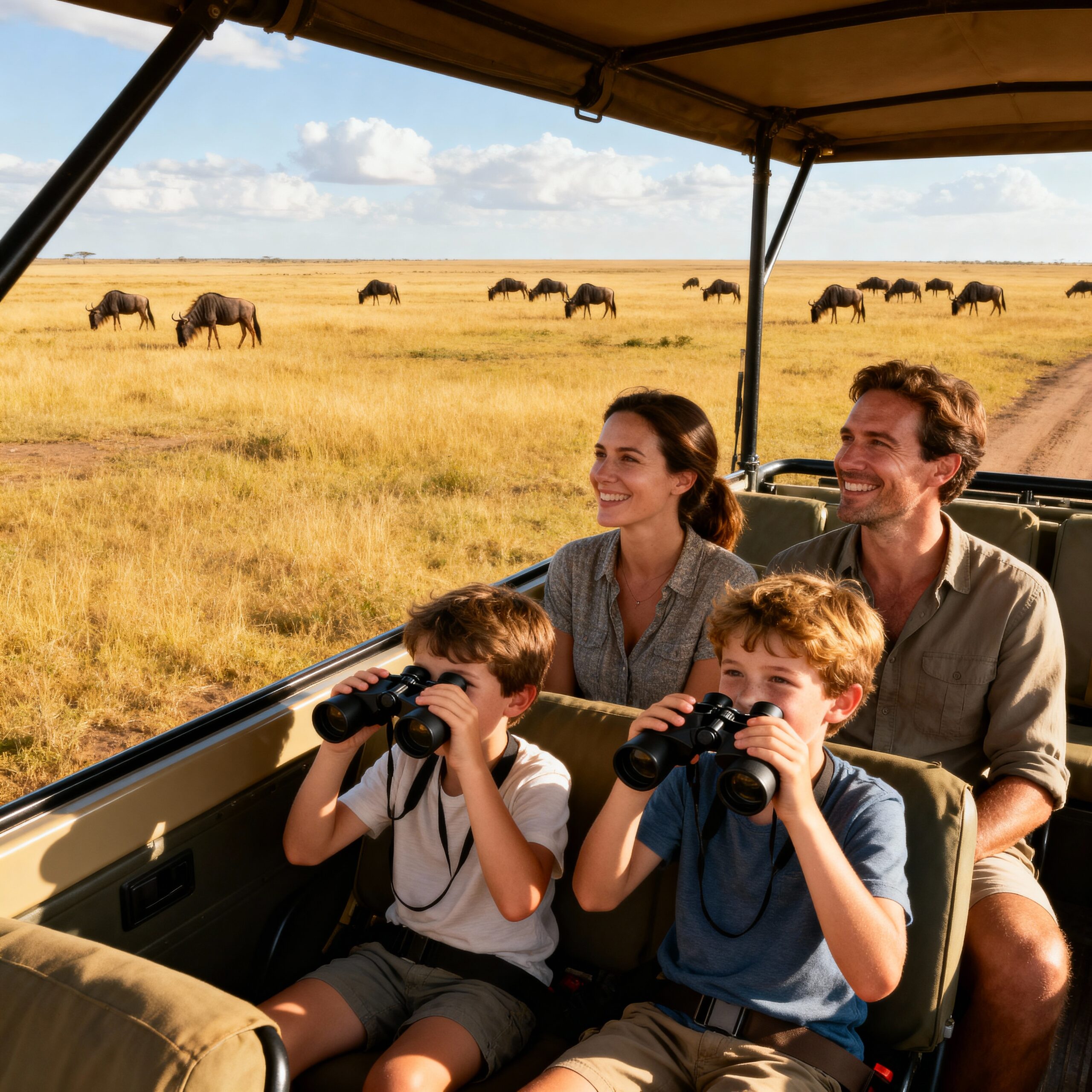
Privacy is the concern I hear most often, especially from women traveling in mixed groups. Here is how it works in practice. The guide and driver face forward and watch the bush. Other guests remain in the vehicle or turn away unless you are traveling solo. The vehicle itself becomes a screen. Guides choose terrain – a dip, a ridge, a cluster of shrubs – that blocks sightlines from the road.
On private safaris, you control the rhythm completely. Couples and families tell us when they need a stop; we do not announce it to the whole car over a loudspeaker. On small group departures, guides stagger stops so not everyone is out at once. If you need an extra minute, say so. A good guide would rather lose five minutes of drive time than make a guest feel rushed or exposed.
Lodge and Permanent Camp Bathroom Facilities
At night, your bathroom on safari looks a lot like a normal hotel – often better than you expected. Permanent lodges and many fixed tented camps inside and around Serengeti offer en-suite flush toilets, hot showers, sinks with running water, mirrors, and electrical outlets for hair tools on safari-lite days. Mid-range properties typically provide soap, towels, and daily housekeeping.
Luxury lodges add deep tubs, outdoor showers with a view, and heated towel racks. Budget lodges outside the park gates may use simpler fittings but still give you a private room toilet – not a shared block at the end of a muddy path. When comparing itineraries on our all trips page, ask whether your chosen camp is permanent, semi-permanent, or mobile if bathroom style matters to your comfort.
Typical lodge bathroom amenities
- Flush toilet and septic or lodge treatment system
- Hot shower (solar, generator, or gas-heated depending on camp)
- Hand soap and towels (bring your own if you have sensitive skin)
- 220V power for charging (UK-style plugs common; pack an adapter)
- Safe or lockbox in higher-end rooms
Tented Camp Bathrooms in the Serengeti
Tented camp bathroom facilities confuse people because the word “tent” sounds primitive. In reality, most mid-range and luxury Serengeti tented camps are canvas walls around solid floors with full en-suite bathrooms attached. You zip through a short vestibule from bedroom to toilet and shower. The tent fabric muffles sound. Stars show through mesh windows at night. It feels adventurous without sacrificing dignity.
Mobile migration camps that follow the herds are the most rustic tier. Some use shared shower blocks a short walk from sleeping tents, timed bucket showers, or composting toilets. Even then, staff clean facilities daily and provide lanterns after dark. If a mobile camp experience is on your wish list, read our Serengeti migration month-by-month guide and ask us which camps match your comfort level for bathroom on safari needs.
Long Drive Days and When You Will Need a Bush Stop
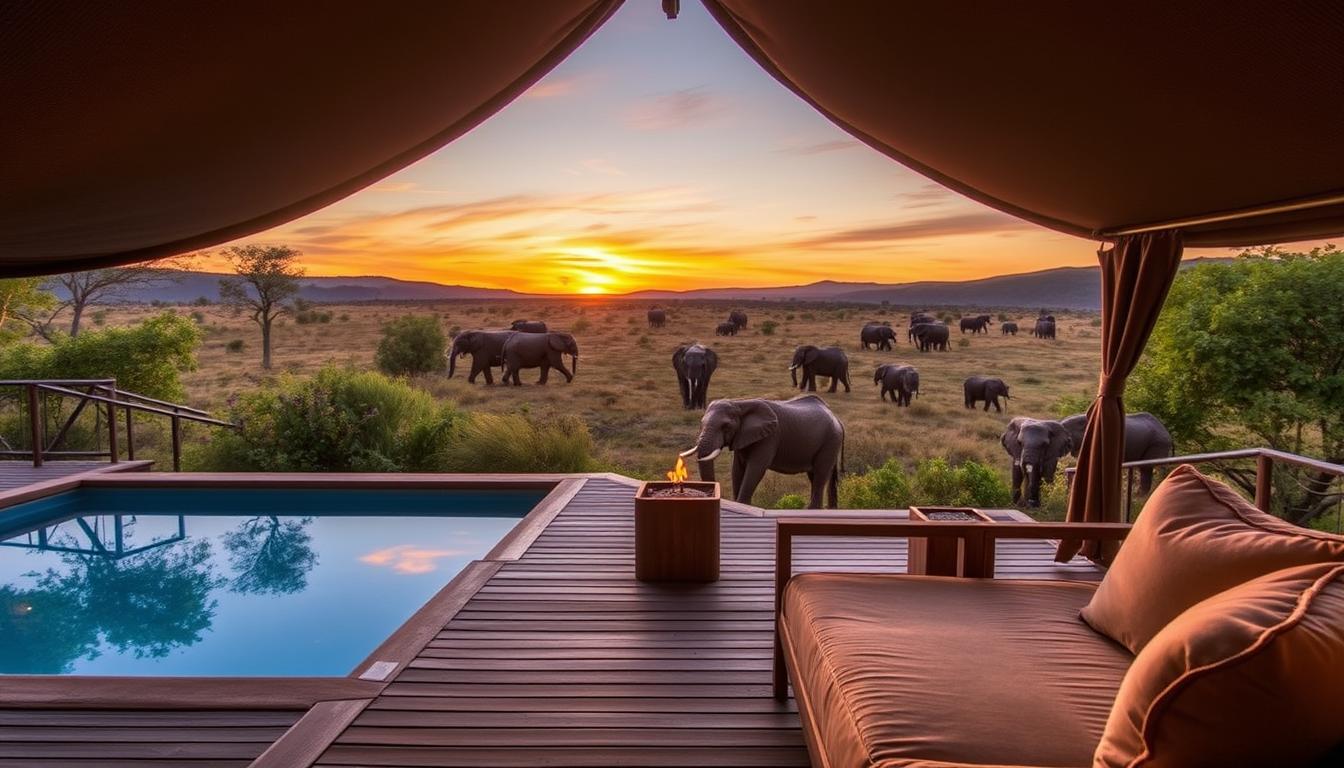
Serengeti long drive days are when bathroom planning matters most. Transferring from Arusha or Karatu into the park can take five to seven hours with wildlife viewing stops. Your bladder does not pause because a leopard appears on a branch. Guides build in a proper picnic site break mid-morning and again before sunset, plus flexible bush stops whenever someone asks.
On our 7-day Northern Circuit safari itinerary, the longest transfer days are typically day one into Tarangire and day two into Serengeti. We warn guests the night before: hydrate at breakfast, ease off huge coffee refills right before departure, and speak up early if you need a stop. Waiting until you are desperate makes everyone tense. Waiting until you are desperate also makes it harder to find a safe open area quickly.
Sample bathroom timing on a full Serengeti game drive day
- 5:30 a.m. – En-suite toilet at camp before dawn departure
- 8:30 a.m. – Picnic site or bush stop after first wildlife loop
- 12:30 p.m. – Lunch stop; many sites have pit or flush toilets
- 3:00 p.m. – Optional bush stop during afternoon drive
- 6:30 p.m. – Return to camp; hot shower and proper bathroom
That rhythm means you are rarely more than two to three hours from a planned break. If you are comparing how many days to spend in Serengeti, remember that longer stays reduce repeated marathon transfer days and give your body a predictable camp routine. Our broader Tanzania safari tours guide explains how park time and drive time balance across the northern circuit.
Hygiene Tips for Bathroom on Safari Travel
Good hygiene on safari is straightforward and mostly familiar. The dry bush air, dust on roads, and shared vehicle handles make hand sanitizer your best friend. Pack your own travel-sized bottle even though we supply it – backups live in daypacks, not buried under camera lenses.
- Sanitize before snacks – Dusty fingers and shared chip bags are a common combo on long drives.
- Pack unscented wet wipes – Useful for bush stops and sticky mango at lunch.
- Bring zip bags – For used tissue when bins are not available.
- Menstrual products – Carry more than you think you need; rural shops are unpredictable.
- Biodegradable soap – If you shower in truly remote camps with outdoor plumbing.
- Face cloth – Camp showers are fine; a small cloth feels fresher between drives.
The World Health Organization hand hygiene basics apply everywhere: clean hands before eating, after toilet use, and after touching high-contact surfaces. Safari adds dust and sunscreen – both reasons to rinse or sanitize more often than you would at home.
For a full gear list including toiletries, see our Tanzania safari packing list. We update it yearly with what Arusha guests actually forget.
Bathroom on Safari for Female Travelers
Female travelers ask the boldest questions once we establish trust. Can I manage my period in the bush? Can I squat in a dress? What if there is no door? Here is my honest guidance from years on the Northern Circuit.
Period management is absolutely doable. Bring your preferred products plus a sealable bag for disposal when bins are absent. Many guests use a menstrual cup to reduce waste – empty at camp toilets morning and evening. Guides never make a fuss; they have supported thousands of travelers through this.
Clothing and technique tips women swear by
- Loose skirt or wide-leg trousers – Faster than jeans in a hurry.
- Dark colors on drive days – Dust shows less on brown or olive.
- Female urination device (optional) – Some guests love them for bush stops; practice at home first.
- Request a female guide – We can often arrange one on private safaris with advance notice.
- Say “personal stop” – No need to explain details to a full vehicle.
Privacy behind the vehicle is real, not performative. I have had solo women travelers tell me they felt safer on a guided Serengeti bush stop than at a highway rest area in their own country – because the guide is actively scanning for wildlife while you are vulnerable. That said, your comfort level matters. Private vehicle safaris remove the social layer entirely if that is worth the budget to you.
Kids, Families, and Bathroom Needs on Safari
Traveling with children changes the math. Bladders are smaller, accidents more likely, and curiosity about bush toilets can be hilarious or chaotic depending on age. Family bathroom on safari planning starts before you board the plane.
We recommend a dry-run bush stop etiquette talk in the lodge garden the evening before the first long drive. Show kids where sanitizer lives. Pack a change of trousers in the daypack. For toddlers in potty training, a portable fold toilet or sturdy training seat used inside the vehicle door frame works for some families – ask us when booking a family-friendly Serengeti safari.
- Stop before they ask – Schedule breaks every 90-120 minutes with young kids.
- Wet wipes and spare underwear – Non-negotiable in the front pocket.
- Reward calm behavior – Bush stops feel strange; praise helps.
- Choose lodges with pools – Kids relax; parents get a proper bathroom break too.
Most family guests report that camp bathrooms delight kids – outdoor showers, tent zippers, and lantern walks feel like adventure. The anxiety was Mom and Dad’s, not theirs. Read our tips for first-timers in 10 things I wish I knew before a Tanzania safari for more family logistics.
Accessibility and Mobility Considerations
Travelers with limited mobility or chronic conditions deserve a clear picture. Standard safari vehicles are tall 4x4s with steps, not wheelchair lifts. Bush stops require standing and uneven ground. That does not mean safari is off limits – it means we plan differently.
When guests disclose needs early, we can prioritize lodges with ground-floor rooms, grab bars, and paved paths to dining areas. Some permanent camps near Serengeti gates meet basic accessibility better than remote mobile tents. Portable toilet chairs, extra transfer time, and shorter drive loops are all options on private itineraries. Tell us the details on our contact form so we are not guessing in the bush.
Official picnic sites vary widely. Naabi Hill gate area and several central Serengeti sites have toilet blocks with steps; few are fully wheelchair accessible. The UNESCO Serengeti World Heritage landscape prioritizes wildlife corridors over paved infrastructure – another reason customized routing helps guests who need predictable facilities.
Camping Safari vs Lodge Safari: Bathroom Comparison
Not all bathroom on safari experiences are equal. Your accommodation tier sets the baseline for everything between game drives.
Comparison at a glance
| Style | Typical toilet | Shower | Between drives |
|---|---|---|---|
| Luxury lodge / tented camp | En-suite flush | Hot, often outdoor option | Bush stops + picnic sites |
| Mid-range lodge / camp | En-suite flush or good shared block | Hot or warm solar | Bush stops + picnic sites |
| Budget camping | Shared pit latrine or basic flush | Bucket or timed shared | More frequent bush stops |
| Mobile migration camp | En-suite or short-walk shared | Bucket or limited hot | Planned camp returns midday optional |
None of these tiers leaves you without a plan. Budget camping asks more of you between stops; luxury camps ask more of your wallet. Wildlife viewing quality does not correlate with thread count or faucet pressure – but sleep quality and shower morale absolutely do.
Official Park Picnic Sites and Gate Facilities
Inside Serengeti National Park, TANAPA maintains designated picnic areas with tables, shade structures, and toilet facilities at key locations. Conditions range from basic pit latrines to maintained flush blocks near busier zones like Seronera. Guides know which sites are clean on a given week – ranger teams and camp staff gossip travels fast on the radio network.
Park gates at Naabi Hill and Ndabaka (western corridor) have toilet facilities before you enter or after you exit. Use them on transfer days even if you feel fine; the next comfortable stop might be hours away depending on traffic and wildlife distractions. Exploring the wider region? Our Tanzania destinations hub maps how Serengeti connects with Ngorongoro, Tarangire, and Lake Manyara on classic routes.
What to Pack for Bathroom Comfort on Safari
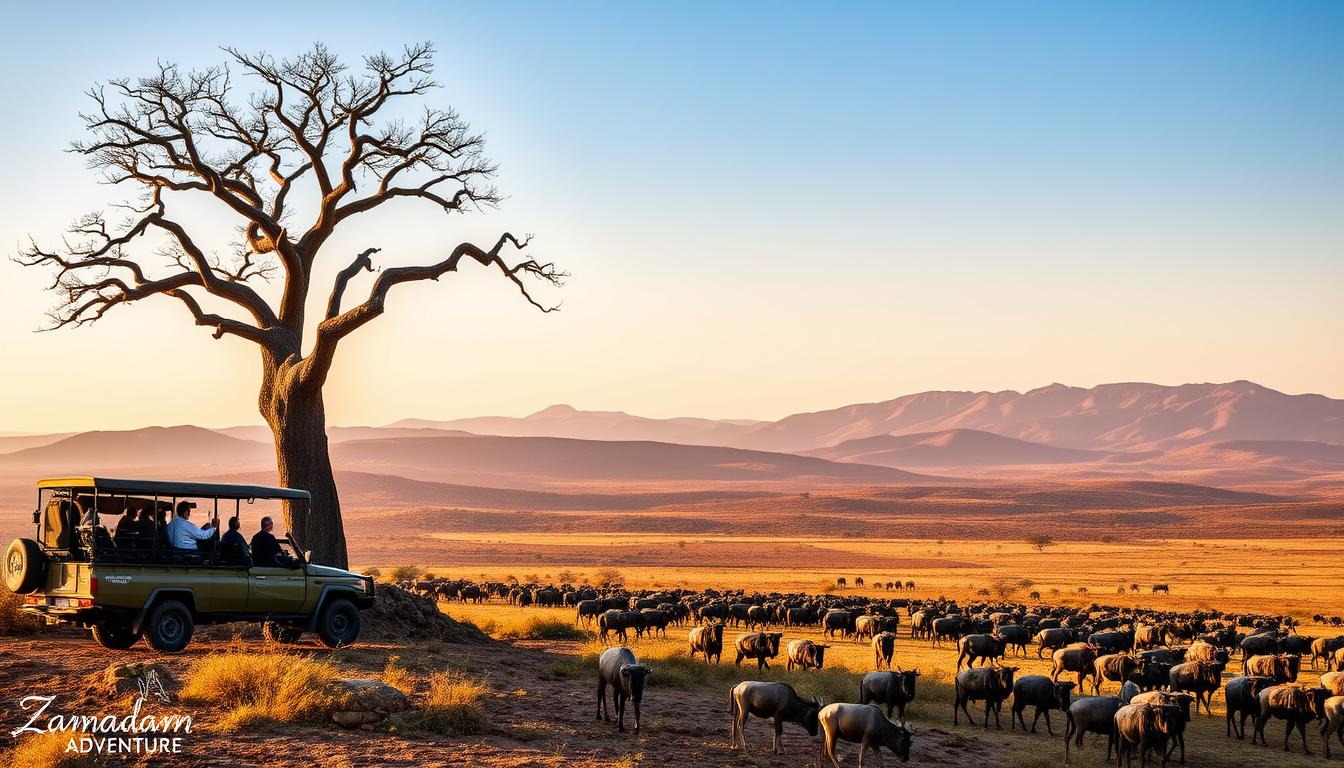
Bathroom comfort starts with what is in your bag. See our Serengeti safari packing list, how many days you need in the Serengeti, and Tanzania safari safety guide for Americans for gear, timing, and peace of mind on long drive days.
You do not need a pharmacy aisle in your duffel. A handful of targeted items prevents 90 percent of bathroom stress on safari.
- Hand sanitizer (50-100 ml in daypack)
- Unscented wet wipes (one travel pack per person)
- Toilet paper roll or pocket tissues (backup to camp supply)
- Zip-lock bags for waste when bins are absent
- Menstrual products if applicable (double your usual count)
- Lightweight quick-dry towel (optional; camps provide towels)
- Barrier cream or talc if chafing from heat and dust
- Any prescription medications and a copy of the script
Soft bags matter too – you will live out of a duffel, not a rolling suitcase, on most 4×4 routes. Keep toiletries in a hanging wash kit so camp bathrooms are one unzip away. Full details live in our packing list linked above; cross-check before you fly into Kilimanjaro International Airport.
Common Fears About Bathroom on Safari (And the Truth)
Let me address the scary headlines your brain writes at 2 a.m.
“I will have to go in front of strangers.” You go behind the vehicle with people turned away or staying seated. Guides are professionals, not spectators.
“A lion will attack me.” Guides scan before you step out. Incidents during supervised stops are extraordinarily rare because big cats avoid open vehicles and noisy humans. Still – you must follow instructions instantly if wildlife approaches.
“Camp toilets will be disgusting.” Reputable operators use camps with daily cleaning. Luxury and mid-range properties often exceed three-star city hotels. Budget camping is simpler, not filthy, when booked through licensed companies.
“I cannot do this trip if I have IBS / overactive bladder / medical needs.” Thousands of guests with those conditions safari successfully every year with adjusted routing and honest communication. Tell us early.
If bathroom anxiety is your main barrier to booking, a private safari with flexible stops and lodge-heavy routing is the easiest first experience. Book now or request a custom plan – we would rather design around your comfort than have you miss the Serengeti entirely.
What I Loved Most About Getting Past the Bathroom Worry
The best moment is not a toilet – it is the relief on a guest’s face after day one. When someone realizes the bush stop took ninety seconds and the afternoon was all cheetahs and golden grass, the whole trip opens up. I have seen shy travelers become the ones reassuring newcomers by day three.
I also love showing first-timers a luxury tented camp bathroom at sunset – canvas walls, hot shower, cricket song – and watching them laugh at how hard they worried. The Serengeti deserves that mental bandwidth. Lions at dawn deserve it. So does the quiet cup of coffee before your guide says, “Leopard, left side, fifty meters.”
My Honest Experience With Safari Bathroom Logistics
What exceeded my expectations is how quickly guests normalize bush stops. The human body adapts when safety is clear and the reward is a million wildebeest on the horizon.
What surprised me early in my guiding career is how rarely bathroom issues ruin a day – and how often the fear alone almost talked people out of coming. Operators who rush guests or joke at stops make it worse. Operators who brief calmly, carry sanitizer, and respect privacy make it invisible.
What travelers should know: bathroom on safari is a solved problem with sensible habits, not a wilderness gamble. Choose a licensed Arusha operator, pack a few hygiene extras, speak up when you need a stop, and match your camp level to your comfort. The rest is wildlife magic.
Related planning: Serengeti safari packing list.
Related planning: how many days in the Serengeti.
Related planning: Tanzania safety for Americans.
Related planning: Serengeti wildlife guide.
Related planning: Serengeti wildlife gallery.
Frequently Asked Questions
Related Serengeti Planning Guides
- How Much Does a Serengeti Safari Cost? (2026 Guide)
- How Many Days Do You Need in the Serengeti?
- Best Month for a Tanzania Safari (and Serengeti)
- Serengeti Safari Packing List
- Masai Mara vs Serengeti Safari
- Bathroom on Safari in the Serengeti
- Is the Serengeti Crowded? Wildlife Guide
- Is Tanzania Safari Safe for Americans?
- Serengeti Conservation Threats and How to Help
Explore our pillar Serengeti wildlife guide and wildlife gallery, then browse all trips, contact us, or book your safari when you are ready.
Last updated: June 2026. Planning details change – confirm current park fees and lodge availability when you request a quote.
Written by the Zamadam Adventure Team, Arusha, Tanzania.
You use en-suite toilets at lodges and camps, official park picnic site facilities, or supervised bush stops behind the safari vehicle. Guides choose safe locations, provide hand sanitizer, and schedule breaks throughout the day so you are rarely far from an option.
Standard Tanzania safari 4×4 vehicles do not have built-in toilets. Operators rely on camp facilities, park picnic sites, and bush stops. Some specialized overland trucks include onboard toilets, but typical Serengeti photo safaris use comfortable stops instead.
Yes, when your guide supervises the stop. Guides scan for wildlife, position the vehicle for visibility, and keep guests together. Follow instructions, stay near the car, and never walk into tall grass alone. Incidents during guided stops are extremely rare.
Most mid-range and luxury Serengeti tented camps offer en-suite flush toilets and hot showers inside or attached to your tent. Mobile migration camps may use shared shower blocks or bucket showers, but staff clean them daily and provide lanterns after dark.
Women use the same bush stop system behind the vehicle with privacy screened by the car and terrain. Many wear loose skirts, carry wet wipes and zip bags for tissue, and request private vehicle safaris for maximum comfort. Menstrual cups and extra supplies are easy to manage at camp morning and night.
Pack hand sanitizer, wet wipes, pocket tissues, zip-lock bags for waste, and extra menstrual products if needed. Camps provide towels and soap, but a small personal kit in your daypack covers bush stops between lodges.
Last updated: June 2026. Camp facilities vary by property – confirm bathroom style when you request a quote for your dates.
Ready to stop worrying and start planning wildlife? Explore all Zamadam Adventure safaris, browse Tanzania destinations, or contact our Arusha team with any personal comfort questions before you travel.
Written by the Zamadam Adventure Team, Arusha, Tanzania.
Related Serengeti Planning Guides
Planning your Serengeti trip? Pair this guide with Serengeti packing list, days on safari, safety guide for Americans, and our pillar Serengeti wildlife guide. Browse species photos on the wildlife gallery, then explore all trips, contact us, or book your safari when you are ready.