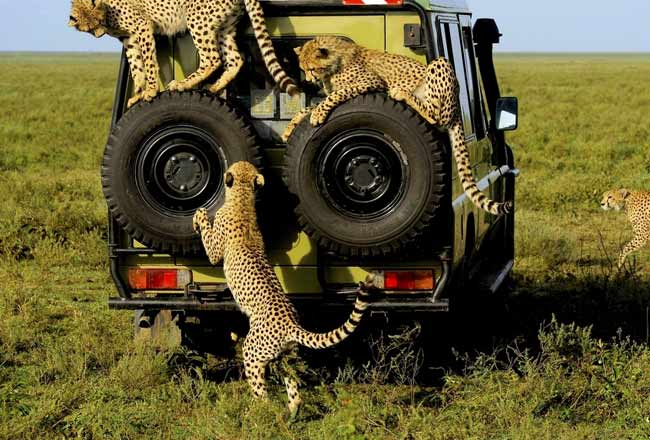
Is Tanzania safe? Yes for most safari travellers, including Americans, when you book a licensed operator and follow park rules. National parks such as the Serengeti have rangers, radio-linked vehicles, and set game-drive hours. Everyday street-crime risk is higher in towns than in the bush. This 2026 guide covers wildlife, health, and town habits from our Arusha office at Zamadam Adventure.
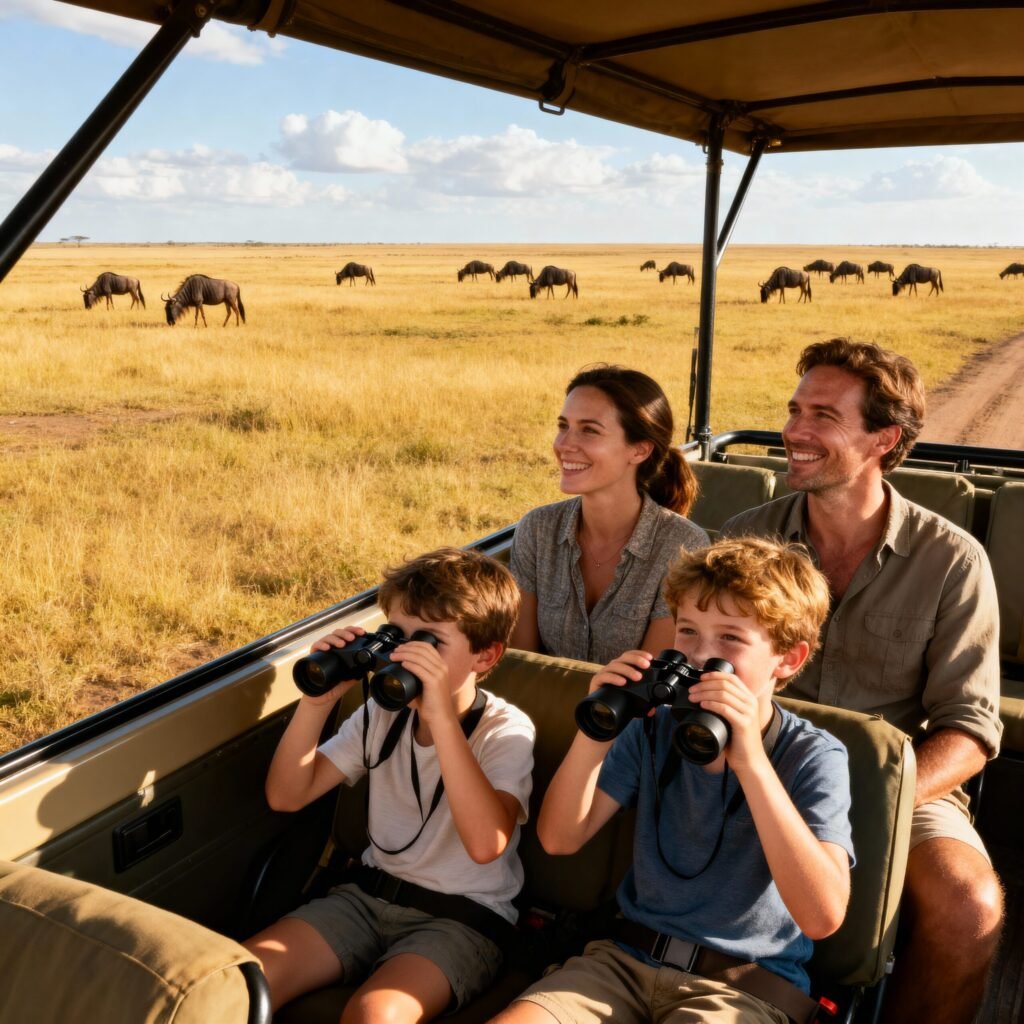
Still asking “is Tanzania safe” for your safari? Talk to our Arusha team about routes, lodges, and pacing that fit your comfort level.
Is Tanzania Safe for Americans Right Now in 2026?
Yes. As of 2026, Tanzania remains a mainstream safari destination for American travelers, with hundreds of thousands of visitors annually and a tourism sector built around international safety standards. The U.S. State Department typically advises travelers to exercise increased caution in Tanzania – the same broad tier applied to many popular destinations – rather than recommending Americans avoid travel altogether. Political stability, park infrastructure, and licensed tour operations make organized safaris one of the lowest-risk ways to experience East Africa.
What “safe” does not mean is zero risk. It means predictable risk you can manage. Americans who book all-inclusive safari packages, stay in vetted lodges, move with certified guides, and avoid walking alone at night in city centers overwhelmingly report smooth, memorable trips. Problems that do occur – petty theft in cities, stomach issues from untreated water, a bumpy road – are usually preventable with preparation, not signs that Tanzania is off-limits.
What I Tell Every American Caller Before They Fly
- Book through a licensed Tanzanian operator with verifiable reviews and TALA or TATO membership.
- Register with the STEP program so the U.S. Embassy can reach you in an emergency.
- Carry comprehensive travel insurance that covers medical evacuation – not optional on safari.
- Keep photocopies of your passport separate from the original.
- Trust your guide inside the parks; trust your instincts in city markets after dark.
Is It Safe for Americans to Travel to Kenya Right Now?
Kenya is also a major safari destination for Americans, and millions visit the Maasai Mara and coastal regions each year without incident. Like Tanzania, Kenya relies heavily on tourism and maintains strong park security. Nairobi has higher urban crime rates than Arusha or Moshi, so Americans transiting through Kenya’s capital should use hotel transfers rather than walking with luggage at night. The Mara itself – like the Serengeti – is a controlled environment where visitors stay in vehicles or fenced camps.
Americans often combine Kenya and Tanzania on one trip, crossing at the Isebania-Sirari or Namanga borders. Border crossings are routine but slow; use a guide who handles paperwork and never accept “help” from unlicensed fixers offering shortcuts. Both countries have active tourism police units in major safari hubs. Neither is perfect. Both are workable with planning.
What Is Safer, Tanzania or Kenya?
Country choice affects pre-trip nerves as much as park rules. For a deeper Tanzania vs Kenya comparison, read our Masai Mara vs Serengeti safari comparison, Serengeti safari packing list, and Serengeti safari cost breakdown before you book.
Neither country is dramatically safer than the other for a standard safari itinerary. Tanzania’s Northern Circuit (Serengeti, Ngorongoro, Tarangire, Lake Manyara) and Kenya’s Maasai Mara offer comparable park safety, professional guiding standards, and lodge security. Tanzania feels slightly less hectic in safari gateway cities like Arusha. Kenya’s Nairobi requires more urban caution. For wildlife viewing alone, safety differences are negligible if you are with a licensed operator.
| Factor | Tanzania | Kenya |
|---|---|---|
| Park safety (Serengeti vs Mara) | Excellent; TANAPA-regulated | Excellent; KWS-regulated |
| Safari gateway city feel | Arusha/Moshi: relaxed, tourism-focused | Nairobi: busier, more urban crime risk |
| Border crossings | Straightforward with operator support | Same; avoid unlicensed “agents” |
| American visitor volume | Very high; well-established tourism | Very high; well-established tourism |
| Medical facilities (safari regions) | Arusha has solid clinics; evac for serious cases | Nairobi has stronger hospitals; Mara is remote |
If your trip is Tanzania-focused, you do not need to worry that you chose the “less safe” country. You chose a different ecosystem, a different migration rhythm, and – in my biased Arusha opinion – a slightly calmer pre-safari atmosphere. For a deeper park comparison, see our Masai Mara vs Serengeti safari comparison covering Serengeti and the full Northern Circuit.
Crime in Tanzanian Cities vs National Parks
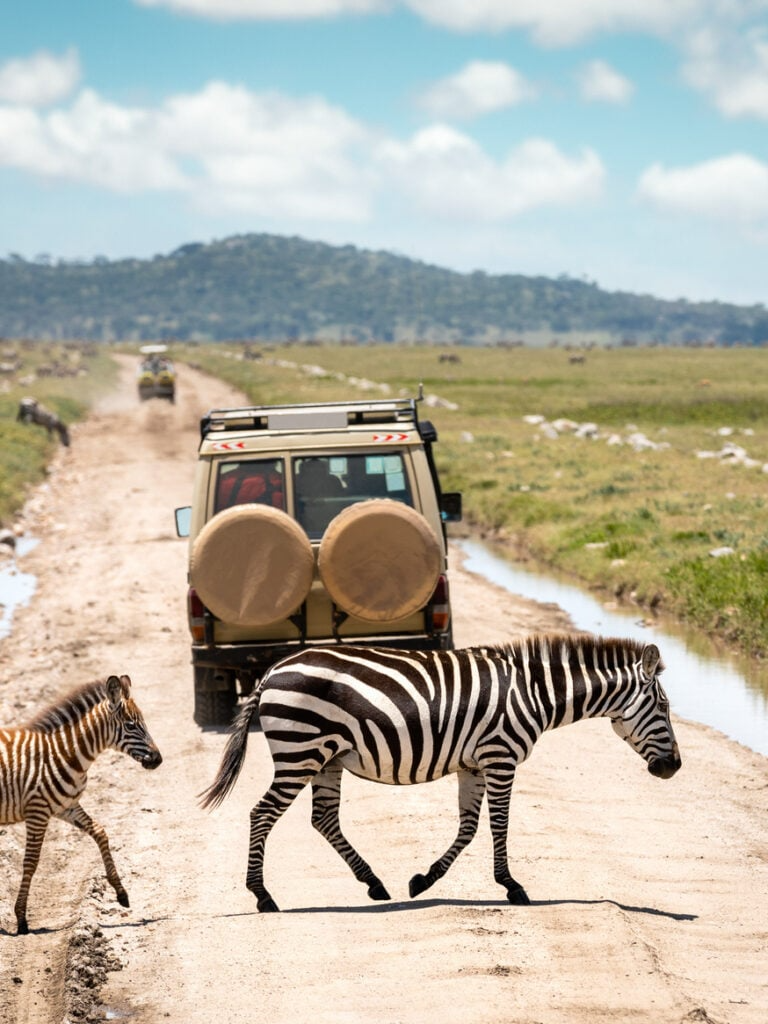
This is the single most important safety distinction Americans miss. Tanzania’s national parks – Serengeti, Ngorongoro, Tarangire, Lake Manyara, and the rest – are not places where random street crime targets tourists. You are with a guide, in a vehicle or lodge, inside fenced or patrolled concessions. Petty theft and pickpocketing happen in Dar es Salaam, Arusha town centers, bus stations, and crowded markets – the same pattern as in most cities across the developing world.
Urban Safety: Dar es Salaam and Arusha
Dar es Salaam is Tanzania’s business capital and the main international entry point for many flights. It is vibrant, humid, and requires urban awareness. Use registered taxis or ride apps, avoid displaying expensive jewelry or phones in crowded areas, and do not walk alone on poorly lit streets at night. Arusha, our home base and the gateway to the Northern Circuit, feels smaller and more tourism-oriented. Still, I tell every guest: leave valuables in the hotel safe, carry only what you need to dinner, and let your lodge arrange airport transfers.
Park Safety: Why the Serengeti Feels Different
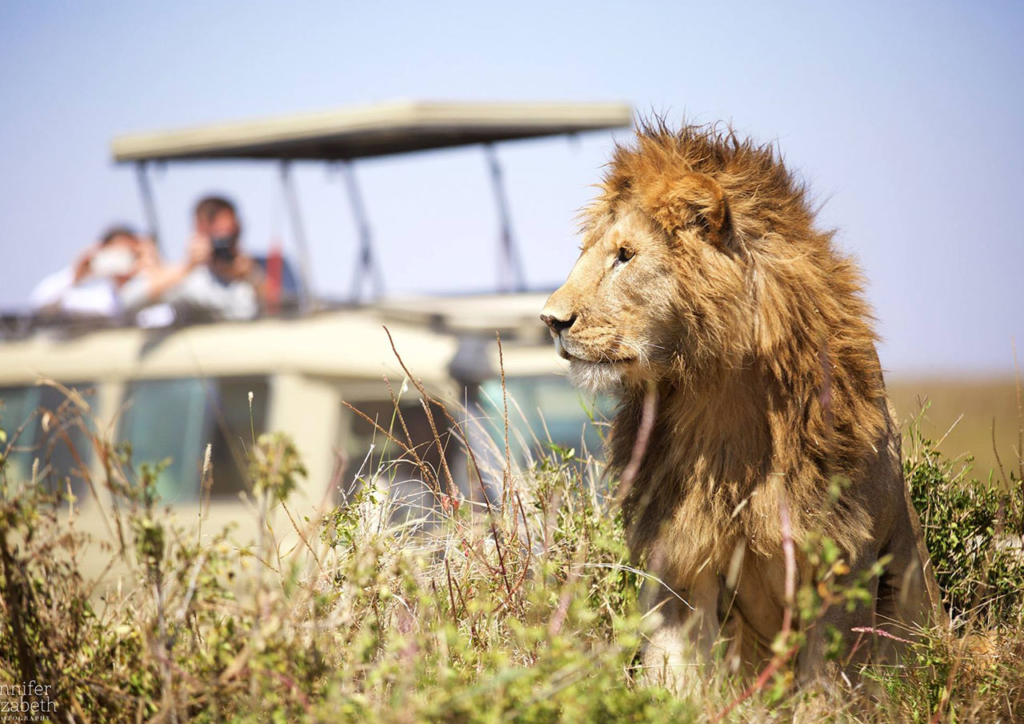
Step into Serengeti National Park and the rhythm changes completely. TANAPA rangers patrol. Camps have night guards. Game drives follow strict rules: stay in the vehicle except at designated picnic sites, keep distance from wildlife, and listen to your guide without debate. I have spent thousands of hours on those plains. The risks that matter are buffalo charges, lion proximity, and sun exposure – not mugging. That is why Americans who fear “Africa danger” often laugh with relief after their first morning drive.
Travel Tip: The most dangerous thing most Americans do on safari is stand up in the vehicle for a photo. Wildlife reacts to shape and movement. Your guide will tell you when it is safe to stand. Listen.
Serengeti Safari Safety: Wildlife, Vehicles, and Camp Rules
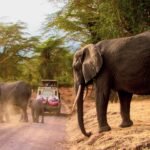
Serengeti safari safety is less about crime and more about respecting a wild ecosystem. Lions, elephants, hippos, and buffalo injure more tourists each year than criminals do – almost always because someone ignored guide instructions. Professional operators use pop-up roof Land Cruisers, carry first-aid kits and satellite phones in remote sectors, and employ guides with years of bush experience.
At camp, tents and bandas are typically fenced or elevated. You will hear hyenas and lions at night. That is normal. Walking alone between your tent and the dining area at 2 a.m. without asking staff is not. Night escorts exist for a reason. Children must be supervised. Americans accustomed to national parks where you hike freely need to reset expectations: on safari, the vehicle and the camp are your safe zones.
Health Safety for Americans: Malaria, Vaccines, and Water
I am a safari operator, not a doctor. Always consult your physician or a travel clinic before departure. That said, health preparation removes most of the anxiety Americans bring to Tanzania. Malaria exists in Tanzania, including coastal areas and some safari zones at lower elevations. Many American travelers take prophylaxis (commonly atovaquone-proguanil or doxycycline) as prescribed. Mosquito repellent, long sleeves at dusk, and sleeping under nets at tented camps add layers of protection.
Vaccines and Entry Requirements (General Overview)
Yellow fever vaccination is required if you are arriving from a yellow-fever-endemic country; Americans flying direct from the U.S. typically are not required to show proof, but rules change and some airlines enforce documentation loosely. Hepatitis A, typhoid, and routine boosters (tetanus, MMR) are commonly recommended by travel clinics. COVID-era entry rules have largely normalized, but check current requirements before flying. Carry your vaccination card in your carry-on.
Food, Water, and Stomach Issues
Reputable lodges and safari camps serve filtered or bottled water and cooked meals designed for international stomachs. Avoid raw salads from street vendors in cities. Peel fruit yourself. Americans who chug tap water in Arusha “to build immunity” usually regret it by day three. Bottled water is cheap and everywhere. Traveler’s diarrhea happens; pack Imodium and oral rehydration salts. Serious dehydration is rarer when you communicate early with your guide.
Road Safety on Safari: Dust, Distance, and Driving Culture
Road safety is the underrated topic in every “is Tanzania safe for Americans” conversation. Safari roads are unpaved, corrugated, and long. A full day from Arusha toward central Serengeti can mean eight to ten hours in a 4×4. Seatbelts matter. Fatigue matters. Licensed operators maintain vehicles, rotate drivers, and know when to stop for rest. Unlicensed “budget” outfits cutting corners on maintenance are a genuine risk – not because Tanzania is lawless, but because cheap can mean unsafe tires and exhausted drivers.
Americans sometimes underestimate transfer days. The Ngorongoro rim roads are stunning and slow. Serengeti gates have procedures that take time. Rain turns black cotton soil into slippery challenges. A professional driver navigates all of this daily. If your quote seems too cheap to include a qualified driver and maintained Land Cruiser, ask what is being cut.
Guide Professionalism and Choosing a Licensed Operator
Your guide is your safety system. Tanzania requires professional guide licensing through institutions like the College of African Wildlife Management (Mweka) and ongoing park certifications. At Zamadam Adventure, our guides speak English fluently, know animal behavior, carry communication equipment, and understand American traveler expectations – pacing, photography stops, dietary needs, and the occasional homesick question about Wi-Fi.
Red flags when choosing an operator: no physical office, prices far below market average, pressure to pay everything in cash upfront via Western Union, no clear itinerary, or unwillingness to provide vehicle photos and guide credentials. Green flags: membership in TATO (Tanzania Association of Tour Operators), transparent contracts, included park fees listed, and responsive communication before you book.
Ready to compare vetted itineraries? Browse our safari packages or contact us for a custom Northern Circuit plan built around your comfort level and dates.
Scams and Tourist Traps Americans Should Avoid
Most scams targeting Americans are opportunistic, not violent. In Arusha and Dar, “friendly” strangers may offer tours at impossible prices, gemstone deals, or charity donations that funnel to middlemen. At borders, unofficial “helpers” demand fees for forms you can complete yourself. At airports, unlicensed taxi drivers overcharge jet-lagged arrivals. Decline politely, keep walking, and use the transport your operator arranged.
- Fake safari deals on social media: Verify the company website, office address, and reviews on independent platforms.
- Currency confusion: Tanzania uses Tanzanian shillings. Confirm prices in USD or TZS before paying; count change carefully.
- Unauthorized park “guides”: Inside TANAPA parks, only accredited guides may conduct game drives. No exceptions.
- Credit card skimming: Rare at major lodges; more common at small city shops. Use cash or pay at established properties.
- Migration hype: Operators promising guaranteed river crossings on exact dates cannot control nature. Skepticism saves disappointment.
Solo Travelers, Women, and LGBTQ+ Visitors: Practical Notes
Solo American Travelers
Solo travel in Tanzania is common and workable. Joining a small-group safari reduces cost and adds companionship. Solo Americans on private safaris receive the same guide attention as couples. Inform someone at home of your itinerary. Solo female travelers often prefer joining groups or booking female-led operators – we can arrange that on request.
Safety for Female Travelers
Tanzania is generally welcoming to women travelers, and safari lodges are accustomed to solo women and all-female groups. Dress modestly in towns and villages – knees and shoulders covered – out of respect for local norms, not because parks require it. Harassment in cities can include unwanted attention or catcalling; firm refusal and moving toward busy areas usually ends it. On safari itself, women report feeling remarkably safe; the structured environment changes the dynamic entirely.
LGBTQ+ Travelers
Tanzania’s laws and social attitudes toward LGBTQ+ individuals are conservative, and public displays of affection between same-sex couples can draw negative attention or legal risk. International safari tourism, however, operates in a somewhat separate bubble of lodges and camps where staff serve diverse guests professionally. LGBTQ+ Americans should exercise discretion in public urban settings, avoid discussing personal relationships with strangers, and work with operators who respect privacy. This is not fearmongering – it is honest context so you can make informed choices about where and how to travel.
Travel Insurance and Emergency Planning for American Visitors
Do not visit Tanzania without travel insurance that includes medical evacuation. Period. Serengeti is remote. A twisted ankle in camp is manageable; a cardiac event or serious injury may require air ambulance to Nairobi or Johannesburg. Policies from providers like World Nomads, Allianz, or GeoBlue are popular with Americans. Read the fine print on adventure activities – game drives are usually covered; optional walking safaris or Kilimanjaro treks may need riders.
Carry insurance emergency numbers saved offline. Share policy details with your operator. Know that Tanzania’s best safari-region hospitals are in Arusha and Dar; serious cases transfer abroad. The cost of evacuation without insurance can exceed $50,000. Insurance is not the place to save $40.
U.S. Embassy Registration and Emergency Contacts
Register your trip with the Smart Traveler Enrollment Program (STEP) before departure. The U.S. Embassy in Dar es Salaam and consular services can assist Americans with lost passports, legal referrals, and emergency messaging. Embassy contact details should be saved in your phone. Your operator should also have emergency protocols – satellite phones, nearest airstrips for medical evac, and relationships with flying doctors services like AMREF.
Tanzania’s emergency number is 112 (general) and 114 (police). In practice, your guide and lodge manager resolve most issues faster than dialing from a bush camp. Build a chain: you, your guide, the operator’s 24-hour line, insurance, then embassy if needed.
Pre-Trip Safety Checklist for American Safari Travelers
| When | Action |
|---|---|
| 8-12 weeks before | Travel clinic visit; malaria prophylaxis if prescribed; verify passport validity (6+ months) |
| 4-6 weeks before | Buy travel insurance with evacuation; register with STEP; share itinerary with family |
| 2 weeks before | Confirm airport transfers; photocopy documents; download offline maps |
| Packing | Repellent, sunscreen, hat, neutral clothing, small first-aid kit, headlamp |
| On arrival | Use operator transport; exchange money at banks or ATMs in safe locations |
| On safari | Follow guide instructions; stay hydrated; communicate health issues early |
What I Loved Most About Feeling Safe on Safari
My favorite moment in this job is watching an American parent relax. It usually happens on day two in Serengeti, when the kids are counting zebras and the parent realizes nobody is looking over their shoulder in a parking garage – they are scanning a golden horizon for cheetahs. The silence of the plains, broken only by engine-off bird calls and camera shutters, replaces the low hum of urban anxiety. I still remember one traveler from Ohio who said, “I have not felt this calm in ten years.” That is what good safari safety enables: not just survival, but presence.
My Honest Experience: What Surprised Me About Tanzania Safety
What exceeded my expectations when I started guiding was how seriously Tanzania takes park regulation. TANAPA does not tolerate reckless driving or off-road chasing for photos. Rangers issue fines. Operators lose licenses. That structure protects wildlife and tourists alike. What still needs improvement is urban infrastructure – sidewalks, street lighting, and traffic discipline in fast-growing cities. Americans who spend one night in Arusha before safari and then five nights in the bush get a balanced picture: cautious in town, relaxed in the wild.
What travelers should know: Tanzania is not Disneyland. It is a developing East African nation with world-class wildlife assets and a tourism industry that, when chosen wisely, delivers extraordinary safety and service. Fear sold by cable news does not match the lived experience of the vast majority of American safari guests. Respect, preparation, and a licensed operator close the gap between anxiety and adventure.
Planning Your Safe Serengeti Safari from Arusha
If you are weighing whether 2026 is the right year, it is. Migration cycles continue, lodges have refined health protocols post-pandemic, and American travelers are returning in strong numbers. Start with our Tanzania destination guide for park overviews, then explore all trips to match duration and budget. A typical 7-day Northern Circuit – Serengeti, Ngorongoro, Tarangire – gives first-timers the wildlife density Americans dream about without rushing border crossings or unfamiliar roads alone.
We are based in Arusha, not a call center overseas. When you book with Zamadam Adventure, you get local accountability, licensed guides, maintained vehicles, and honest answers to safety questions before you pay a deposit. That transparency is how trust starts – and how a worried American becomes a repeat guest who sends their parents the year after.
Related planning: Masai Mara vs Serengeti comparison.
Related planning: Serengeti safari packing list.
Related planning: Serengeti safari cost guide.
Related planning: Serengeti wildlife guide.
Related planning: Serengeti wildlife gallery.
Is the Serengeti safe to visit?
Travelers searching is the Serengeti safe or is the Serengeti safe to visit usually worry about lions, not crime. Inside the park, safaris use vehicle-based game drives, trained guides, and park rules. Wildlife is wild – stay in the car except at designated stops, keep distance, and follow your guide.
Is the Serengeti suitable for families? Yes, with a family-friendly lodge and realistic drive times. Unfenced camps have night security. For expectations, read our Serengeti animals guide.
Frequently Asked Questions
Related Serengeti Planning Guides
- How Much Does a Serengeti Safari Cost? (2026 Guide)
- How Many Days Do You Need in the Serengeti?
- Best Month for a Tanzania Safari (and Serengeti)
- Serengeti Safari Packing List
- Masai Mara vs Serengeti Safari
- Bathroom on Safari in the Serengeti
- Is the Serengeti Crowded? Wildlife Guide
- Is Tanzania Safari Safe for Americans?
- Serengeti Conservation Threats and How to Help
Explore our pillar Serengeti wildlife guide and wildlife gallery, then browse all trips, contact us, or book your safari when you are ready.
Last updated: June 2026. Planning details change – confirm current park fees and lodge availability when you request a quote.
Written by the Zamadam Adventure Team, Arusha, Tanzania.
What I tell American friends before their first safari
Tanzania is a well-traveled safari country with established park systems and professional guiding. In my experience the guests who feel safest are the ones who choose reputable operators, follow vehicle rules, and plan realistic arrival buffers through Arusha. Fear softens when logistics are clear.
What I did not know before hosting so many first-timers was how often safety anxiety is really uncertainty about money, health prep, and wildlife etiquette. Read Tanzania safari cost, pack with our packing list, and ask every practical question before you fly. Clarity is calming.
I still remember a nervous couple who relaxed after the first Tarangire briefing and a calm JRO pickup. Looking back, the handshake at arrival does more for perceived safety than any paragraph online. We take that seriously.
Yes. Tanzania remains a mainstream safari destination in 2026, with strong park security and licensed tour operations. Americans who book reputable operators, use hotel transfers in cities, and follow guide instructions on safari overwhelmingly have safe, positive trips.
Yes, with normal precautions. Solo women join group safaris or book private trips with licensed operators daily. Dress modestly in towns, avoid walking alone at night in cities, and choose established lodges. On safari, women commonly report feeling very safe in the structured camp and vehicle environment.
Yes. Serengeti National Park is heavily patrolled by TANAPA rangers, and visitors stay in vehicles or designated areas with guides. Wildlife poses more risk than crime if you ignore safety rules. Licensed operators maintain communication equipment and trained drivers for remote sectors.
Many American travelers take malaria prophylaxis for Tanzania, but only a doctor or travel clinic can advise you based on your itinerary and health history. Mosquito repellent, long sleeves at dusk, and sleeping under nets at tented camps are additional protections regardless of medication choice.
Both are similarly safe for organized safaris in their flagship parks – Serengeti and Maasai Mara. Tanzania’s gateway cities like Arusha feel quieter than Nairobi. Kenya has stronger urban hospitals, but serious safari emergencies in either country typically require evacuation. Choose based on wildlife goals, not safety fear.
Avoid unlicensed tour operators, walking alone at night in cities with valuables, drinking tap water, ignoring guide instructions near wildlife, and unofficial helpers at borders or airports. Skip gemstone or charity scams from street solicitors, and never stand up in a safari vehicle without your guide’s approval.
Last updated: June 2026. Safety conditions and entry requirements can change; verify current U.S. State Department guidance and Tanzanian immigration rules before travel.
Related Serengeti Planning Guides
Planning your Serengeti trip? Pair this guide with Mara vs Serengeti comparison, packing list, safari budget planning, and our pillar Serengeti wildlife guide. Browse species photos on the wildlife gallery, then explore all trips, contact us, or book your safari when you are ready.