Most first-time travelers need three to four full days in the Serengeti. Two days works only as one stop on a longer route, and you will miss a lot. Migration chasers often need five or more. This page is nights inside the park, not a full Tanzania week. For a seven-day northern circuit with Serengeti, Ngorongoro, and Manyara, use the 7 day Tanzania safari itinerary.
I still remember my first sunrise game drive on the central Serengeti plains. The grass was gold, zebra herds stretched to the horizon, and a guide named Joseph whispered, “Give the park time and it gives you stories.” That line stuck with me. The Serengeti is not a checklist park you rush through on the way to somewhere else. It is 14,750 square kilometers of living ecosystem, and every extra day opens a new corner, mood, and wildlife rhythm.
Not sure how many days you need in Serengeti Tanzania? Request a travel proposal and we will build the right length for your dates. Also check our Serengeti safari cost guide.
Quick Answer: How Many Days Is Enough for Serengeti?
For most international visitors, three to four full days in the Serengeti delivers the best balance of wildlife, rest, and value. Two days is tight but possible on a combined itinerary. Five or more days is ideal for migration-focused trips, photography, or travelers who want slower pacing and fewer long drives.
Why the Serengeti Rewards Extra Time
The Serengeti National Park sits in northern Tanzania and forms the heart of the country’s safari story. It connects to the Tanzania safari circuit through Ngorongoro, Tarangire, and Lake Manyara, but nothing else feels quite like it. UNESCO recognizes the broader Serengeti ecosystem for its scale and biodiversity. TANAPA manages the park with strict rules that protect wildlife corridors and visitor safety.
What surprised me early in my guiding career was how different the park feels by zone and season. Central Serengeti (Seronera) offers reliable big cat sightings year-round. The southern plains near Ndutu explode with life during calving season. The western corridor and Grumeti River draw migration herds in mid-year. The northern Mara region holds famous river crossings. You cannot see all of that in forty-eight hours unless you fly between airstrips and even then you sacrifice depth.
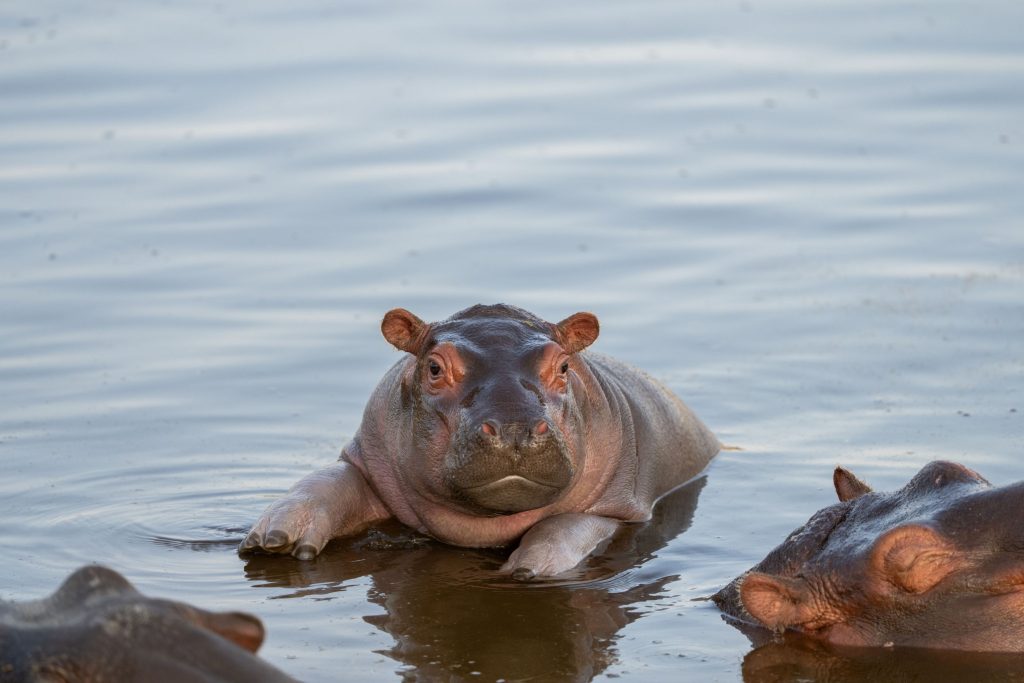
Travel tip: Arrive with realistic expectations about drive time. From Arusha or the Ngorongoro area, reaching central Serengeti can take most of a day by road. That is why “two days in Serengeti” on paper sometimes means one strong game drive and one partial day. Build buffer days so fatigue does not steal the magic.
2-Day Serengeti Safari: When It Works (and When It Does Not)
A two-day Serengeti safari can work if you are already inside the northern circuit and Serengeti is not your only park. For example, some travelers combine Ngorongoro Crater with a short Serengeti extension. You might get one full game drive and one morning drive before moving on. That is enough for a taste, not a deep experience.
Best fit for 2 days
- Return visitors who know they want Seronera cats and plains game
- Travelers on tight schedules flying into Seronera or Kogatende airstrips
- Combo itineraries where Tarangire or Ngorongoro is the main focus
- Budget-conscious guests accepting early starts and long transfers
What you will likely miss in 2 days
- Second-chance sightings when animals are hiding midday
- Remote northern or western zones without flying
- Slow-paced photography sessions at waterholes
- Night sounds and camp rhythm that make safaris emotional, not just visual
I tell clients honestly: two days is the minimum, not the recommendation. If someone asks me “is two days enough for Serengeti?” I ask what they are trying to see. Big cats in central Serengeti? Maybe. River crossings? Almost certainly not without flying straight to the north and even then one night feels rushed.
3-Day Serengeti Safari: The Sweet Spot for First Timers
Three full days inside the Serengeti is where many of our guests find the sweet spot. You get multiple sunrise drives, one relaxed afternoon, and enough flexibility to follow tips from your guide when lions are tracked near camp. For a standard how many days serengeti safari question from first-time visitors, three days is my most common recommendation.
On day one you settle in, feel the scale of the plains, and shake off travel fatigue. Day two is your deep dive: maybe kopjes for lions, river lines for hippos, or open grassland for cheetah scans. Day three you chase whatever eluded you. That rhythm mirrors how professional guides think. Wildlife does not perform on a schedule, so repetition increases odds.
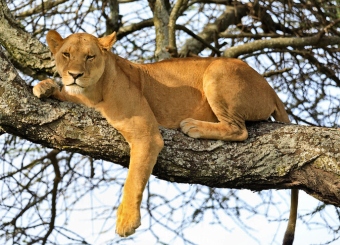
Pair your planning with our Serengeti animals and wildlife guide so you know which species appear in which zones. Three days in Seronera often delivers lion, leopard if you are lucky, elephant, buffalo, giraffe, hippo, crocodile, and endless plains game. That covers much of the classic safari wish list without requiring migration timing.
Sample 3-day Serengeti focus (central)
- Day 1: Transfer in, afternoon game drive near Seronera, sunset at a viewpoint
- Day 2: Full-day drive to varied habitats (plains, woodland, riverine)
- Day 3: Sunrise predator search, mid-morning exit or optional balloon add-on
Want help matching lodges and drive routes? Browse all trips or contact us for a custom three-day Serengeti plan built from Arusha.
4-Day Serengeti Safari: Deeper Coverage Without Rushing
Four days lets you breathe. I notice travelers on four-day Serengeti stays stop checking their watches and start noticing details: oxpeckers on buffalo, dung beetles at work, the way light changes on acacia trees. That is when a safari shifts from sightseeing to experience.
With four days you can split time between two zones if seasons align. Example: central Serengeti plus a push toward the western corridor during Grumeti season, or central plus southern Ndutu in green season. You still will not cover the entire park, but you gain contrast. Different landscapes produce different behavior. Cheetah on open plains. Leopards in riverine thickets. Elephants near marshes.
Photographers especially benefit from a fourth day. Morning and evening light repeat, but animal positions change. A four-day Serengeti safari length gives you multiple golden hours at the same waterhole or kopje. One guest told me her best image came on hour nine of game drives, not hour two. Patience is a skill the park teaches.
5-Day Serengeti Safari and Longer: Migration and Northern Circuit Combos
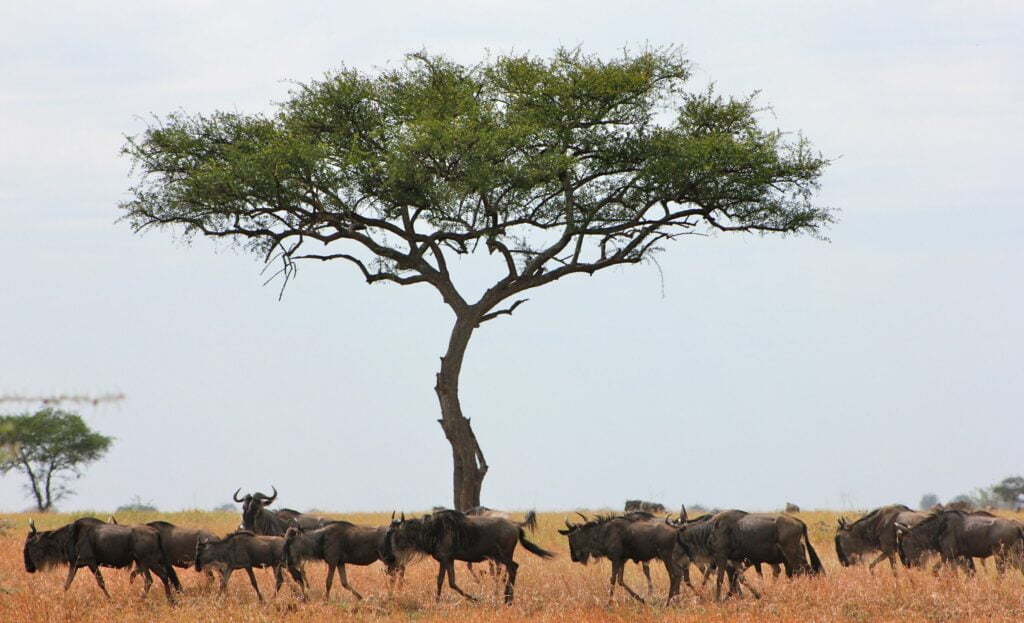
Five or more days in the Serengeti makes sense when migration is your priority or when Serengeti anchors a northern circuit safari. The Great Migration is not a single event at one GPS point. It is a circular movement of more than a million wildebeest and hundreds of thousands of zebra and gazelle following rain and grass. Timing and location matter as much as day count.
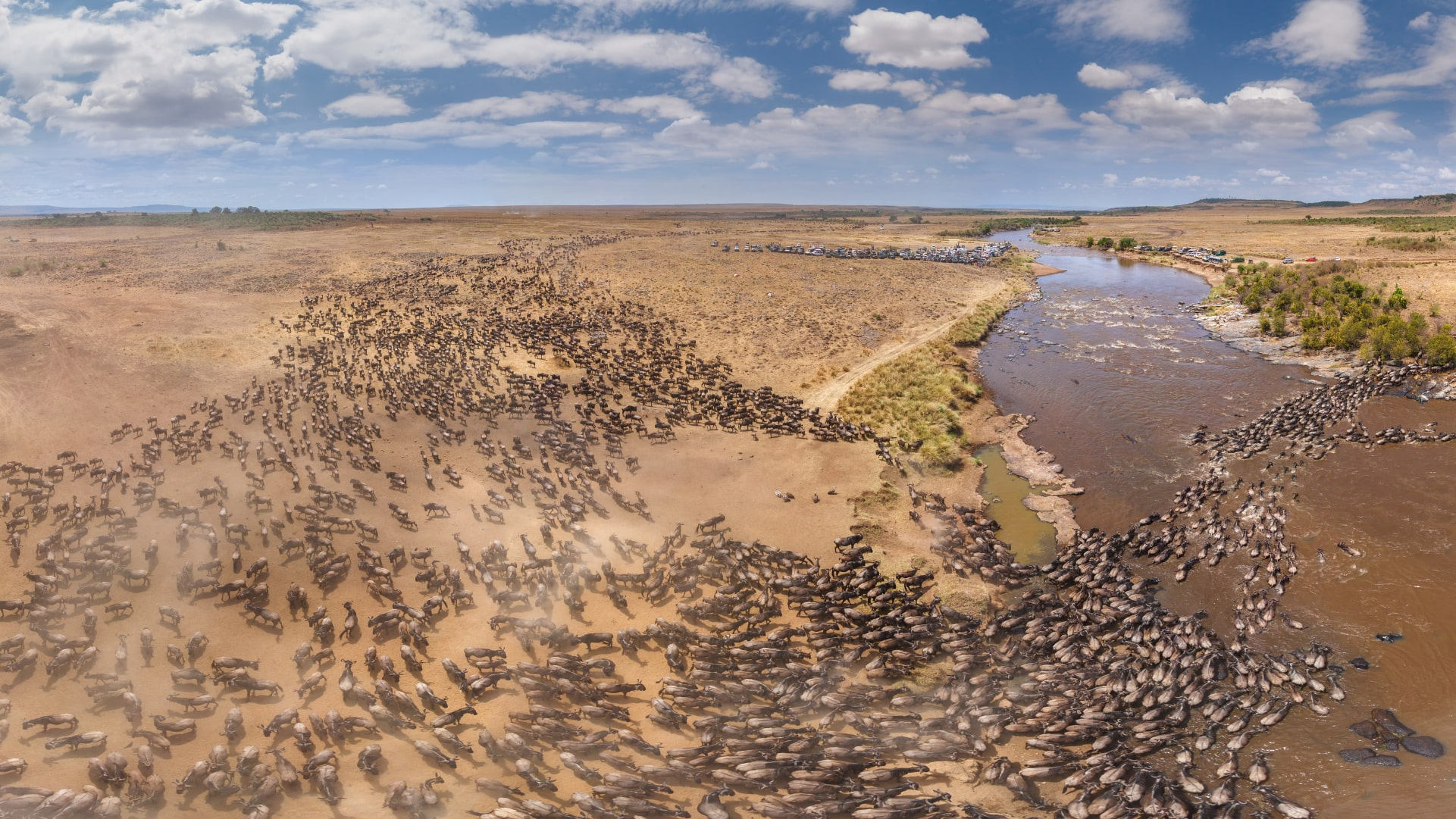
Read our detailed Serengeti migration best month guide before you lock dates. July to September often targets Mara River crossings in the north. January to March focuses on calving in the Ndutu plains. April to June can follow herds through central and western corridors. If you book five days in the wrong zone for your month, you will see beautiful Serengeti, but not the spectacle you imagined.
5-day northern circuit combo example
- Day 1: Tarangire National Park, baobab country and elephant herds
- Day 2: Lake Manyara or Ngorongoro highlands approach
- Day 3: Ngorongoro Crater floor, dense wildlife bowl
- Days 4-5: Serengeti game drives matched to season (central or north)
- Day 6 (optional): Extra Serengeti day or return toward Arusha
This is why “how many days for Serengeti only” and “how many days for a full Tanzania safari” are different questions. A five-day northern circuit might include only two Serengeti nights. Ask your operator to separate park days from transfer days so quotes compare fairly.
How Migration Timing Changes Your Ideal Day Count
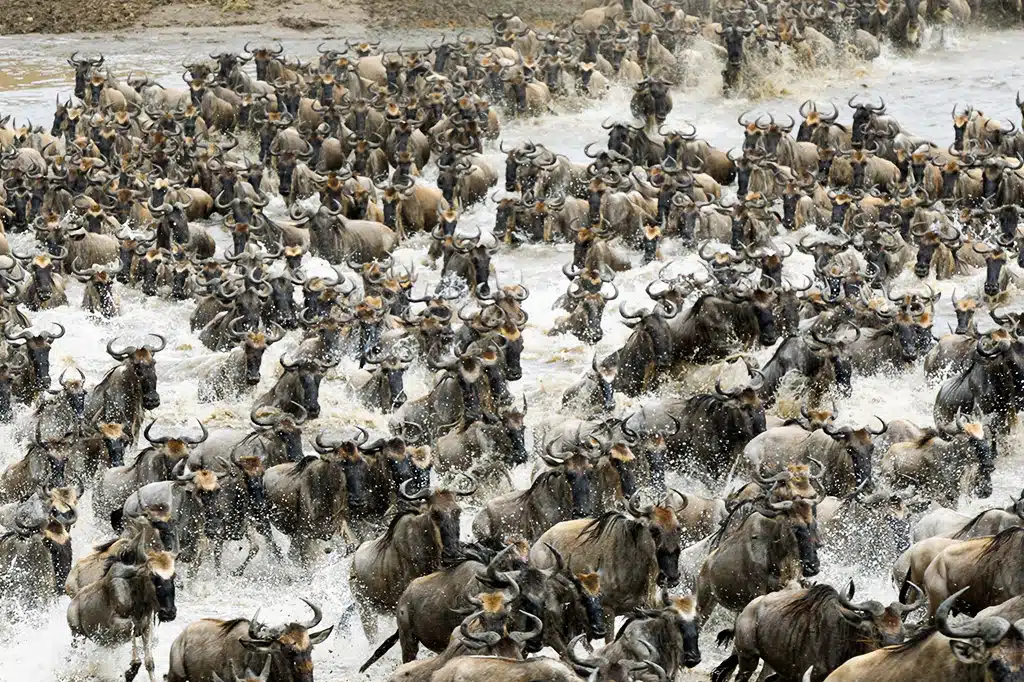
Migration chasers should plan Serengeti days around herd movement, not just total Tanzania trip length. River crossings are unpredictable even in peak months. Guides listen to radio networks, watch cloud build-up, and reposition. Extra days increase your window to witness a crossing or calving burst.
Migration seasons at a glance
- Calving (roughly Jan-Mar, south): 3-4 Serengeti days if combined with Ndutu; predator action is intense
- Long rains transition (Apr-May): Fewer crowds, lush scenery; 3+ days still rewarding
- Grumeti/western (Jun-Jul): 4-5 days if western river drama is your goal
- Mara crossings (Jul-Oct, north): 4-5 Serengeti days near Kogatende or Lamai improves odds
- Return south (Nov-Dec): 3-4 days flexible between central and south
Official park information from TANAPA Serengeti National Park helps with rules, fees, and gate hours. Combine that with seasonal herd maps from reputable conservation sources and your operator’s local reports for the clearest picture.
Serengeti Safari Length by Travel Style
Not everyone needs the same pacing. Here is how I advise different travelers when they ask about how many days serengeti safari planning from our Arusha office.
Families with children
Three days is usually enough if game drives stay shorter and camps offer pools or family tents. Kids tire before the land does. Build in camp time and avoid back-to-back six-hour drives.
Photographers and birders
Plan four to six days. The Serengeti bird list exceeds five hundred species. Raptors, bustards, and migrants reward repeated outings. Visit our Serengeti wildlife gallery for inspiration on what is possible with time and light.

Luxury travelers
Four to five days pairs well with fly-in camps, private vehicles, and slow mornings. Luxury is often about space and timing, not rushing to the next park badge.
Budget campers
Three days keeps costs manageable while still delivering core sightings. Camping safaris save on lodges but still require park fees per twenty-four-hour period, so extra days add cost. Balance carefully.
Road Safari vs Fly-In: Hidden Impact on Day Count
How you reach the Serengeti changes how many effective game-drive hours you get. Road transfers from Arusha through Ngorongoro can consume a full day each way. Flying from Arusha or Manyara airstrips to Seronera, Ndutu, or Kogatende saves time and effectively adds a game drive to your trip.
I often suggest fly-in for northern migration trips with limited vacation days. A two-night fly-in to Kogatende can outperform three nights by road when July crossings are the goal. Conversely, road safaris offer gradual landscape transitions and lower cost. Neither is wrong. Match transport to your days and priority sightings.
Suggested Itineraries: Days in Serengeti vs Total Trip
Use this table as a planning starting point. “Serengeti days” means nights inside or adjacent to the park with full game drives.
- Weekend extension (4-5 total): 1-2 Serengeti days – teaser only
- Classic Tanzania (6-7 total): 2-3 Serengeti days – solid introduction
- Migration focus (7-8 total): 3-4 Serengeti days – better crossing odds
- Photography deep dive (8-10 total): 4-5 Serengeti days – multiple zones possible
- Northern circuit thorough (10-12 total): 5+ Serengeti days – seasonal north/south split feasible
Ready to turn days into a real route? Book now or request a tailored quote. We build itineraries from Arusha with realistic drive times, not brochure fantasy maps.
Common Mistakes When Choosing Serengeti Safari Length
- Counting transfer days as safari days: Eight-day packages sometimes hide two long travel days.
- Chasing every park: Cramming four parks into five days shrinks Serengeti to a drive-through.
- Ignoring season: Five days in central Serengeti during a northern crossing month frustrates migration hunters.
- Skipping rest: Back-to-back dawn starts exhaust guests by day three.
- Comparing quotes without lodge tier: Cheaper short trips may use distant gates and cut game-drive time.
Ask operators directly: “How many full game drives will I get inside Serengeti boundaries?” A transparent answer builds trust faster than a glossy brochure.
What I Loved Most About Slow Serengeti Days
My favorite moment did not involve a river crossing or a kill. It was a quiet afternoon near a kopje when a young lion cub practiced pouncing on its mother’s tail while swallows dipped over golden grass. The vehicle was off. Nobody spoke for five minutes. That stillness rarely happens on two-day sprints.
I also loved conversations at camp fire pits. Travelers swap sightings, guides decode animal behavior, and the night sky over the Serengeti feels close enough to touch. Extra days create room for those unscripted moments. They are why people cry at the airstrip on departure.

My Honest Experience: What Exceeded Expectations
The Serengeti exceeded my expectations the first time I stayed four nights instead of two. I thought repetition would feel boring. Instead, each drive felt layered. I understood territory. I recognized individual leopard haunts. Guides shared deeper stories because we had time to listen.
What surprised me negatively? Weather and dust can test patience in dry season. Peak months also bring more vehicles to popular sightings – our wildlife guide explains where to find animals away from the busiest zones. Long road transfers tire you if not planned well. Migration hype can disappoint if you expect Hollywood crossings daily. Honest operators set expectations. The park still delivers beauty, but nature owns the schedule.
Who is a short Serengeti trip best for? Repeat African travelers, fly-in guests with tight leave, or anyone combining Serengeti with beach time in Zanzibar. Who should extend? First-timers, wildlife photographers, migration seekers, and anyone who told themselves “this might be my only Tanzania trip.”
Budget and Cost: Do More Days Always Mean More Value?
Extra days spread fixed costs like park fees and transfers, but only if you use the time well. Pair this guide with our Serengeti safari cost breakdown, best month for Tanzania safari timing, and whether the Serengeti feels crowded. Slow mornings often reward patient Serengeti elephant and predator sightings more than one rushed drive per zone.
Longer Serengeti stays raise total trip cost through lodge nights, park fees, guide days, and vehicle use. That does not mean shorter is always smarter. A poorly planned two-day add-on after exhausting drives can feel like poor value even if the sticker price is lower. Three or four well-paced days often deliver more sightings per dollar than a frantic six-day circuit where Serengeti gets only one full drive.
When comparing safari quotes and costs, ask what is included: concession fees, crater fees, flying vs road legs, and camp location inside vs outside park boundaries. An “extra” Serengeti night near the Mara in August costs more than a central camp in May, but for migration travelers it is the difference between possibility and frustration. Talk openly with your operator about trade-offs. We would rather recommend fewer days with clear expectations than oversell time you do not need.
Practical Tips Before You Decide Day Count
- Book early for migration camps: Northern lodges fill months ahead for July-August.
- Pack layers: Dawn drives are cold; midday sun is strong.
- Bring binoculars: They multiply enjoyment on long-stay trips.
- Confirm park fee structure: Fees accrue per twenty-four-hour entry rules.
- Plan photography ethics: Stay on roads, respect distance, listen to your guide.
- Check health requirements: Yellow fever rules depend on travel history; verify before departure.
The broader Serengeti ecosystem is part of a UNESCO World Heritage landscape shared with Kenya’s Maasai Mara. Conservation partnerships across borders protect migration corridors. Choosing responsible operators supports that work through fees and community employment.
Frequently Asked Questions
Related Serengeti Planning Guides
- How Much Does a Serengeti Safari Cost? (2026 Guide)
- How Many Days Do You Need in the Serengeti?
- Best Month for a Tanzania Safari (and Serengeti)
- Serengeti Safari Packing List
- Masai Mara vs Serengeti Safari
- Bathroom on Safari in the Serengeti
- Is the Serengeti Crowded? Wildlife Guide
- Is Tanzania Safari Safe for Americans?
- Serengeti Conservation Threats and How to Help
Explore our pillar Serengeti wildlife guide and wildlife gallery, then browse all trips, contact us, or book your safari when you are ready.
Last updated: June 2026. Planning details change – confirm current park fees and lodge availability when you request a quote.
Written by the Zamadam Adventure Team, Arusha, Tanzania.
Related guides to plan the rest of your week
In my experience, day-count decisions get easier when you also lock season and budget. Use best time for a Tanzania safari, compare money ranges in Tanzania safari cost, and see a full week layout in our 7 day Tanzania safari itinerary. If Tarangire or Manyara are part of your opener, read Tarangire vs Manyara before you freeze the route.
A planner note on three versus four Serengeti nights
Three nights often unlock two strong game-drive days after arrival. Four nights let you shift camps or chase seasonal herds without panic. In my experience the extra night is the difference between seeing Serengeti and understanding it. If budget forces a choice, protect Serengeti nights before adding thin one-night stops elsewhere.
Pair this timing decision with best time for a Tanzania safari and our northern circuit week guide so park days and seasons agree.
Two days can work as a brief add-on if you fly in or combine with Ngorongoro, but it is tight for a first visit. You get limited game drives and little flexibility for weather or animal movement.
Yes. Three full days is enough for most first-time visitors to see strong wildlife in central Serengeti, including lions, elephants, giraffe, and plains game. It is the most common recommendation from our Arusha team.
Plan at least four to five Serengeti days in the right zone for your month. River crossings are unpredictable, so extra days near the Mara or Grumeti improve your chances.
Yes, but Serengeti time may be only two nights. A typical five-day northern circuit splits days between Tarangire, Ngorongoro, and Serengeti. Ask how many full Serengeti game drives are included.
Three days inside the park is the practical minimum we recommend for first-time international visitors. Shorter trips are possible but often feel rushed after long transfers.
Absolutely. Migration-focused trips need more days and the correct region for that month. Outside peak migration zones, three to four days in central Serengeti still offers excellent year-round wildlife.
Related Serengeti Planning Guides
Planning your Serengeti trip? Pair this guide with Serengeti safari cost guide, best month for timing, whether the Serengeti feels crowded, and our pillar Serengeti wildlife guide. Browse species photos on the wildlife gallery, then explore all trips, contact us, or book your safari when you are ready.
Related planning: best month for a Tanzania safari.
Related planning: Serengeti crowding guide.
Final Thoughts: Match Days to Your Safari Story
So how many days do you need in the Serengeti? If you want my operator honest take after hundreds of trips from Arusha: three to four full days satisfies most travelers, five or more serves migration chasers and photographers, and two days is a compromise you should choose consciously, not accidentally. The park is not going anywhere, but your vacation days are precious. Spend them in a way that matches your wildlife goals, season, and pace.
Zamadam Adventure builds Serengeti itineraries with transparent day counts, realistic drives, and seasonal camp placement. Explore all trips, dive into Tanzania destination planning, or contact us to map your ideal Serengeti length. When you are ready, book your safari and let the plains write the rest of the story.