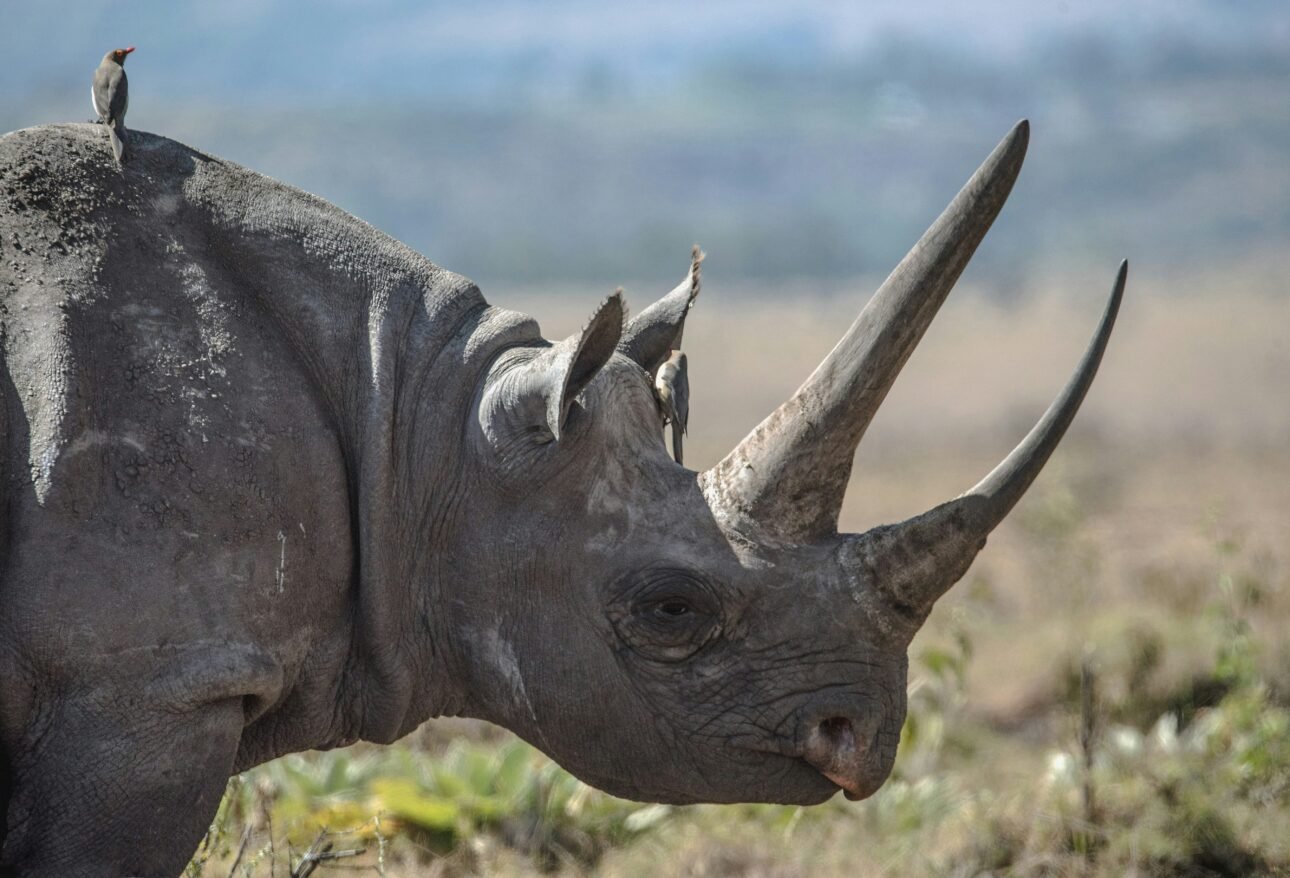
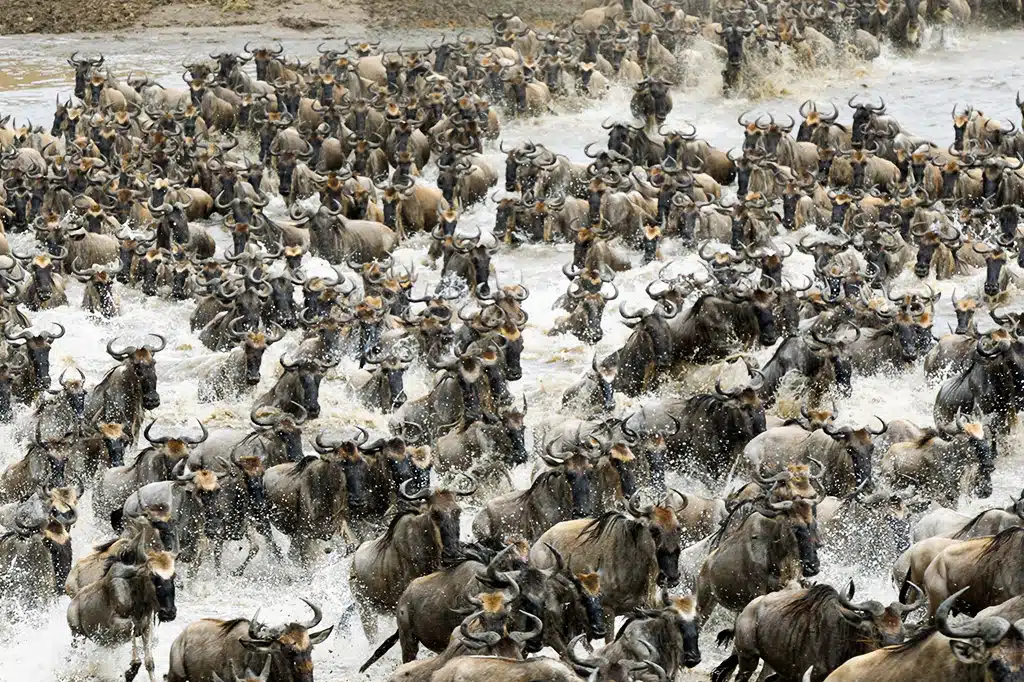
What threatens the Serengeti? If you have ever watched a million wildebeest roll across golden grassland and wondered whether this place will still look the same in twenty years, you are asking the right question. Serengeti conservation is not an abstract issue for scientists in Nairobi or Geneva – it is the reason I can still drive guests from our Arusha office at Zamadam Adventure into a landscape where lions sleep in the open and elephants cross ancient migration routes every season. This 2026 guide explains the main threats to the Serengeti, what Tanzania National Parks and local communities are doing to respond, and how your safari choices can help protect one of Africa’s greatest ecosystems.
The Serengeti National Park covers roughly 14,750 square kilometers of savanna, woodland, and river systems in northern Tanzania. Together with buffer zones, the Ngorongoro Conservation Area, and Kenya’s Maasai Mara, it forms a transboundary ecosystem that supports the Great Migration, large predator populations, and more than 500 bird species. UNESCO listed the Serengeti as a World Heritage Site in 1981 because of that biological richness. Protecting it requires constant work against habitat loss, human-wildlife conflict, poaching, climate stress, tourism pressure, and the fragmentation of wildlife corridors that connect the park to the wider landscape.
What Are the Main Threats to the Serengeti?
The main threats to the Serengeti are habitat loss and land conversion outside park boundaries, human-wildlife conflict in surrounding communities, poaching (far reduced from historical levels but not eliminated), climate change and recurring drought, unsustainable tourism pressure in hotspot zones, and fragmentation of wildlife migration corridors. No single threat operates alone. A dry year pushes herds toward farmland, which raises conflict, which can increase snaring. A new road or fence blocks a corridor, which concentrates animals and vehicles in smaller areas. Understanding Serengeti conservation means seeing these pressures as a connected system, not a list of isolated problems.
Why Serengeti Conservation Matters to Every Safari Traveler
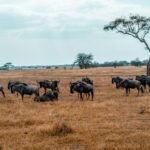
I grew up hearing stories from older guides about elephant numbers crashing and rhinos disappearing from parts of the ecosystem. Today, thanks to decades of protection, many species have recovered inside the park. That recovery is fragile. The Serengeti is not a zoo with walls high enough to keep the world out. Wild animals need space beyond the official park boundary, especially during the Great Migration when wildebeest and zebra move between Tanzania and Kenya following rain and fresh grass.
When travelers ask me whether the Serengeti is “still wild,” I tell them yes – but wild does not mean untouched. It means actively managed. Every game drive you take, every park fee you pay, and every decision your guide makes about distance from a cheetah or whether to join a vehicle cluster at a sighting feeds into that management. If you are planning a trip through our Tanzania destination hub or browsing all trips, understanding conservation helps you choose an itinerary that supports the park rather than adding strain to it.
Habitat Loss and Land Conversion Around the Serengeti
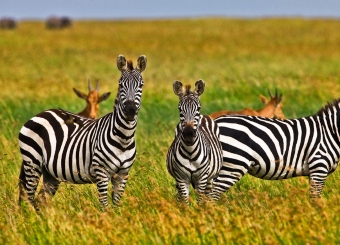
Habitat loss is one of the most persistent Serengeti conservation challenges because the park itself is largely protected while the land around it is not. Population growth, subsistence farming, and commercial agriculture continue to transform woodland and grassland into cropland and settlement. When buffer zones shrink, wildlife has fewer places to calve, graze, or escape drought. I notice the difference most clearly in transition areas near the western corridor and southern plains, where seasonal movements depend on open access to water and short-grass plains.
Agriculture, settlement, and fencing pressure
Fencing is especially damaging for migratory species. A single wire line across a traditional route can force thousands of animals into narrower paths, increasing trampling, predation, and conflict with farmers. Settlement brings dogs, livestock, and garbage that alter predator behavior. None of this means local communities should not develop – it means development needs planning that keeps key corridors open. Several NGOs and government programs now map migration routes and work with villages on land-use agreements, but progress is uneven and requires long-term funding.
Fire, grazing, and savanna health
Serengeti grasslands evolved with fire and grazing. When either is disrupted, woody shrubs can encroach and reduce grazing quality for wildebeest and zebra. Park managers use controlled burning in some zones, but illegal fire-setting and overgrazing by livestock outside the park can throw that balance off. Healthy savanna supports the prey base that sustains lions, cheetahs, and hyenas – the same animals guests hope to see on a Serengeti wildlife guide itinerary.
Human-Wildlife Conflict at the Park Edge
Human-wildlife conflict happens when elephants raid maize fields, lions kill cattle, or hyenas take goats from a boma at night. For families living near the park, one crop loss can mean months of hardship. Retaliatory killing and poisoning still occur, even where legal protection for wildlife is strong. From a Serengeti conservation perspective, conflict is both a welfare issue for communities and a direct threat to species already under pressure.
On drives near the periphery, I have sat with rangers who showed me trenches dug to keep elephants out of farms, and with villagers who asked for faster compensation when lions strike. Programs that combine rapid compensation, improved livestock enclosures, and revenue sharing from tourism reduce revenge killings. When guests book through ethical operators who pay community fees and employ local staff, part of that money circulates back toward tolerance for living beside dangerous and valuable wildlife.
- Crop raiding by elephants and buffalo near farmland boundaries
- Livestock predation by lions, leopards, and hyenas
- Retaliatory poisoning and spearing when compensation is slow or absent
- Snares set for bushmeat that also catch non-target species
- Traffic accidents when animals cross roads at night
Poaching in the Serengeti: Historical Crisis vs Current Reality
Poaching nearly destroyed the Serengeti elephant and rhino populations in the twentieth century. Heavy ivory and rhino horn trafficking, combined with weak enforcement in earlier decades, left scars that rangers still describe with visible emotion. Black rhinos became functionally absent from much of the ecosystem. Elephant numbers fell sharply before rebounding under stronger protection. That history matters because it shows what unchecked demand can do – and what dedicated Serengeti conservation can undo when funding and political will align.
Elephant and rhino: a partial recovery story
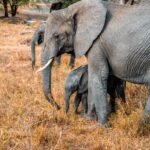
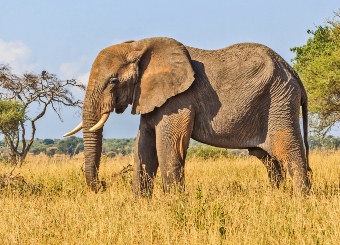
Today, elephant herds are a common sight in many Serengeti sectors, though they remain vulnerable to ivory poaching when syndicates penetrate remote areas. Rhinos are far rarer; small populations persist under intensive monitoring. Seeing a rhino in the Serengeti is still a exceptional event, which tells you how long recovery takes even inside a flagship park. Anti-poaching units, aerial patrols, and intelligence sharing with other agencies have reduced large-scale commercial poaching compared with the 1970s and 1980s, but complacency would be dangerous.
Bushmeat snaring and the hidden toll
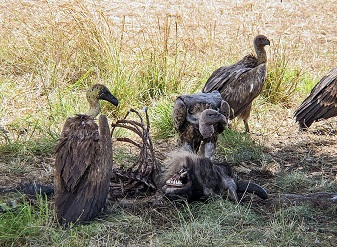
The more everyday poaching problem now is bushmeat snaring. Wire snares target antelope for local consumption but indiscriminately injure or kill zebras, giraffes, lions, and even elephants. Rangers collect thousands of snares during patrols each year. Unlike the dramatic ivory raids that make international headlines, snaring is quiet, widespread, and tied to poverty and protein demand in surrounding areas. Serengeti conservation teams treat snare removal as routine – which is both reassuring and sobering.
Travel Tip: Ask your operator whether guides report snares or injured animals to park authorities. Ethical companies treat ranger communication as part of the job, not an inconvenience.
Climate Change, Drought, and the Serengeti Conservation Future
Climate change does not respect park boundaries. Longer dry spells, more unpredictable rains, and hotter temperatures stress grass production, river flow, and the timing of the Great Migration. When the short rains fail in Ndutu, calving grounds look thinner and predator success rates shift. When western rivers run low, wildebeest hesitate at crossings and vehicles cluster at the few remaining water points – which adds tourism pressure on top of ecological stress.
I remember one September when the plains felt brittle under the vehicle tires and guides debated whether herds would move early toward the Mara. Drought years push wildlife toward permanent water and toward human settlements, which increases conflict and poaching opportunity. Researchers affiliated with the Serengeti ecosystem monitoring programs track vegetation, rainfall, and herd movements year after year. Their data underpins decisions about fire management, water access, and where to focus anti-poaching patrols during harsh seasons.
Tourism Pressure and Serengeti Conservation Ethics
Tourism is a double-edged sword for Serengeti conservation. Park fees and bed-night charges fund rangers, roads, and research. Employment from safari lodges and tour operators gives economic value to living wildlife. Yet too many vehicles at a cheetah kill, engines idling near a leopard tree, or off-road driving to get a closer photo directly harms the animals tourists came to admire. The park is vast enough to absorb visitors when they spread out; it feels crowded only in hotspots during peak season around river crossings and central Seronera.
TANAPA enforces rules: stay on designated tracks, keep minimum distances, no honking, no feeding animals, and time limits at busy sightings in some zones. Good guides self-regulate by leaving crowded scenes and finding quieter quality sightings elsewhere. Bad guides chase radio calls and create vehicle jams that stress predators and block escape routes for prey. If you want to understand wildlife behavior beyond the headline sightings, spend time on our Serengeti wildlife gallery and ask your guide about low-impact viewing.
Planning travel in shoulder season, choosing longer stays over rushed day trips, and avoiding operators that promise “guaranteed crossing” harassment all reduce pressure. For migration timing that spreads visitors more evenly across the year, see our guide to the Serengeti migration best month.
Signs of responsible vs harmful safari behavior
| Responsible practice | Harmful practice |
|---|---|
| One or two vehicles at a sighting, then rotate | Ten or more vehicles boxing in a predator |
| Engine off, voices low, no standing on roof seats near cats | Honking, shouting, or crowding cubs for photos |
| Staying on marked roads even when sightings are distant | Off-road driving that damages soil crust and nests |
| Leaving when an animal shows stress signals | Chasing hunting or mating animals for content |
Wildlife Corridor Fragmentation and the Greater Serengeti Ecosystem
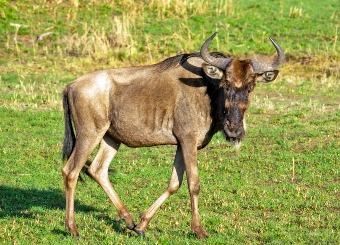
Wildlife corridors are the connective tissue of Serengeti conservation. The park is the core, but migratory wildebeest move through the Loliondo area, across the Mara River into Kenya, and onto the short-grass plains near Ndutu depending on season. Predators follow prey; genes flow between populations only if animals can move. Roads, agriculture, mining proposals, and tourism infrastructure projects have all threatened corridor integrity over the years. Public debate over commercial development near the ecosystem has made international news more than once, and each proposal revives the same question: will short-term revenue cost long-term ecological function?
Conservation scientists describe the Serengeti-Mara system as one functional whole split by a national border. Policies on the Tanzanian side affect Kenya’s Mara and vice versa. Transboundary cooperation on poaching, disease monitoring (especially for wildebeest and livestock), and tourism management remains essential. When travelers ask me about combining Serengeti with other northern circuit parks, I explain that Ngorongoro, Tarangire, and Lake Manyara each play different ecological roles – but none replaces the scale of open migration country that makes Serengeti conservation globally significant.
What TANAPA and Community Programs Do for Serengeti Conservation
Tanzania National Parks Authority (TANAPA) manages Serengeti National Park day to day: ranger patrols, tourist regulation, infrastructure maintenance, fire management, and revenue collection. A significant share of your park entry fee returns to those operations. TANAPA works with wildlife research institutes that have monitored the ecosystem for decades, producing data on predator-prey dynamics, disease, and vegetation change that guides management decisions.
Anti-poaching, veterinary, and research work
Anti-poaching units operate on foot, by vehicle, and from the air. Veterinary teams respond to snared animals when intervention is possible. Collaring programs track elephant and lion movements to identify conflict hotspots and corridor bottlenecks. None of this is cheap. When travelers compare safari quotes, I encourage them to verify that legitimate TANAPA and Ngorongoro fees are included – underpaying often means cutting corners on conservation contributions or guide welfare.
Community benefits and revenue sharing
Communities bordering the park receive portions of tourism revenue through government disbursement programs and through direct employment in lodges, camps, and guiding. Community conservation initiatives, some linked to village land adjacent to wildlife areas, try to make intact habitat more valuable than converted farmland. Results vary by village leadership, market access, and drought cycle. Still, the principle is central to modern Serengeti conservation: people who bear the cost of living with wildlife must share in the benefits of protecting it.
Want a deeper overview of how Tanzania’s parks fit together? Start with our Tanzania safari tours wildlife guide, then contact us to discuss a route that balances wildlife goals with low-impact timing.
How Travelers Can Safari Responsibly and Support Serengeti Conservation
Responsible safari travel is not about guilt. It is about alignment. You already pay into conservation when you book a legitimate trip: park fees, concession fees, and taxes fund management. What you control is behavior on the ground and which operator you reward with your booking. Serengeti conservation improves when travelers demand ethical guides, refuse off-road shortcuts, and accept that some days the best sighting is a quiet hour with a golden jackal rather than a viral lion clip filmed at the expense of the cat’s hunt.
Choose ethical operators and licensed guides
Book with a Tanzania-licensed tour operator that employs certified guides, carries proper insurance, and publishes clear inclusions for park fees. Local Arusha-based companies like ours maintain vehicles, pay fair wages, and train guides on park rules because repeat reputation matters. Avoid anyone promising illegal off-road access, bribed entry, or harassment of rangers. Cheap safaris that omit fees are not a bargain – they are a subsidy taken from the park.
Follow wildlife viewing rules and refuse harassment
On game drive, trust your guide when they keep distance from nursing mothers, mating lions, or a cheetah scanning for prey. Do not ask them to chase animals or block escape paths for photos. Turn off flash. Pick up litter. Stay inside the vehicle except at designated stops. If you see another vehicle behaving badly, note the registration and report it at the gate or to TANAPA staff. Small acts of accountability add up across thousands of visitors each year.
Understand how safari fees fund the park
Non-resident Serengeti entry fees in 2026 run roughly $70-$80 USD per adult per day plus vehicle charges, with rates set by TANAPA and subject to change. That money supports ranger salaries, patrol fuel, road grading, anti-poaching operations, and visitor safety. Concession fees paid by lodges inside the park add another layer of funding. When you book now through a transparent operator, you should see those line items or clear language that they are included. Conservation is not a separate donation – it is embedded in a well-run safari invoice.
- Verify park fees and vehicle charges are included in your quote
- Choose at least three nights in or near the Serengeti to reduce rushed driving
- Travel shoulder season when possible to spread vehicle pressure
- Pack binoculars so you can enjoy sightings without forcing close approaches
- Support community visits and crafts that fund local households
- Share feedback with operators who respect Serengeti conservation rules
What I Loved Most About Conservation-Minded Safaris
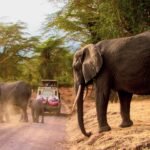
My favorite moments in the Serengeti are not always the dramatic ones. One morning near Seronera, our guide stopped because a fork-tailed drongo was mobbing a snake eagle – a small drama most vehicles drove past. We watched in silence for twenty minutes. Later that week, an old bull elephant crossed the track ahead of us, paused, and continued without a revving engine or a shouted command. Those encounters glue together when I think about why Serengeti conservation work matters: the system still functions when we let it.
I also love conversations with rangers at picnic sites – the quiet pride when they describe a successful snare sweep, the worry when rains fail. They are the front line. Tourism gives their work a budget and a global audience. That partnership only works if visitors show respect on every game drive.
My Honest Experience: What Surprised Me About Serengeti Conservation
What exceeded my expectations was how visible recovery can be when protection holds. Elephant family groups in areas where older guides remember carcasses. Lion prides relaxed near roads because vehicles behave better than they did twenty years ago. What surprised me in a harder way is how many threats sit outside the park fence – climate, agriculture, global demand for ivory and bushmeat, and the sheer popularity of the Serengeti on social media.
Travelers should know the Serengeti is not dying tomorrow, but it is not automatically safe forever either. It is one of the best-managed ecosystems on the continent, and it still faces real pressure. That is why responsible travel choices matter as much as donations to distant charities. Your itinerary is a vote for how this landscape is used.
Suggested Low-Impact Serengeti Itinerary Focus
If Serengeti conservation is a priority for your trip, consider an itinerary that reduces driving stress and spreads sightings across zones rather than chasing one crowded event.
| Day | Focus | Conservation note |
|---|---|---|
| 1 | Arusha to central Serengeti | Long transfer – avoid same-day exit; stay inside or near park |
| 2 | Seronera valleys and kopjes | Cat country; accept quiet hours instead of vehicle chases |
| 3 | Western corridor or southern plains (seasonal) | Follow migration ethically; skip jammed crossings if stressed |
| 4 | Optional Ndutu or Ngorongoro extension | Calving grounds need distance from newborn herds |
| 5 | Return via Olduvai or Lake Manyara | Combine geology and birdlife to diversify pressure |
Explore matching routes on all trips or request a custom plan built around your season and fitness for long game drives.
Frequently Asked Questions
The main threats are habitat loss outside park boundaries, human-wildlife conflict, poaching and snaring, climate-driven drought, tourism pressure at hotspot sightings, and fragmentation of wildlife migration corridors linking Tanzania and Kenya.
Large-scale ivory and rhino poaching is far lower than in past decades thanks to stronger patrols, but bushmeat snaring remains a serious ongoing threat. Rangers remove thousands of wire snares annually, many of which injure non-target species including lions and giraffes.
Tourism funds park management through entry and concession fees and creates jobs for local communities. However, too many vehicles at sightings, off-road driving, and peak-season crowding can stress wildlife. Ethical operators follow TANAPA rules and spread guests across zones and seasons.
TANAPA manages ranger patrols, anti-poaching operations, fire and habitat programs, tourist regulation, road maintenance, and research partnerships. Park fees collected from visitors directly support these activities inside Serengeti National Park.
Book licensed operators that include park fees, follow wildlife viewing rules, avoid off-road requests, report bad behavior, travel in shoulder seasons when possible, and choose longer stays that reduce rushed driving. Respectful behavior on every game drive protects the animals you came to see.
Yes. More frequent drought and unpredictable rainfall affect grass growth, river levels, and migration timing. Dry years push wildlife toward farms and water sources, increasing human-wildlife conflict and concentrating tourism pressure around remaining resources.
Last updated: June 2026. Park fees, community programs, and climate patterns change – confirm current conditions when you plan your safari.
The Serengeti remains one of the wildest, best-protected landscapes on Earth, and it stays that way only if habitat, corridors, and rangers keep support from travelers who care. When you are ready to see it responsibly, browse all trips, read our Serengeti animals guide, and book now or contact us for a custom conservation-minded itinerary from Arusha.
Written by the Zamadam Adventure Team, Arusha, Tanzania.