How much is a Serengeti safari? In 2026 a private safari from Arusha typically costs USD 250 to USD 1,200 per person per day. Budget camping sits near the low end. Mid-range lodges with a private 4×4 usually land around USD 400 to 700 a day. Luxury camps in migration season run USD 800 to 1,200 or more. A 4-day Serengeti stay often totals about USD 1,800 to 2,400 per person. A 7-day northern circuit with Serengeti, Ngorongoro, and Tarangire often lands between USD 3,500 and USD 6,500. This page is operator safari cost, not a Nomad or Four Seasons lodge rate card.
Most travelers should budget USD 250 to USD 1,200+ per person per day, depending on lodge level, season, group size, and how many parks you combine on the Northern Circuit. A focused 4-day Serengeti trip might start around USD 1,800-2,400 per person in mid-range comfort. A 7-day Northern Circuit safari with Serengeti, Ngorongoro, and Tarangire often lands between USD 3,500 and USD 6,500 per person. Luxury camps during peak migration season can push well beyond USD 10,000 per person for a week. Those ranges are wide because Serengeti pricing is not one flat number – it is a stack of park fees, logistics, accommodation, and expertise.
Ready for a clear Serengeti safari price? Request a travel proposal and we will match your dates, lodge level, and budget. Also read how many days you need in the Serengeti.
How Much Does a Serengeti Safari Cost in 2026?
A Serengeti safari cost in 2026 typically falls into three bands. Budget camping or basic lodge safaris run roughly USD 250-400 per person per day. Mid-range lodge safaris with private 4×4 vehicles sit around USD 400-700 per day. Luxury tented camps and high-end lodges often cost USD 800-1,500+ per day, and exclusive-use vehicles or fly-in camps can go higher still.
When I quote from our office in Arusha, I always separate daily rate from total trip cost. A USD 500-per-day quote on a 6-night itinerary is not USD 3,000 – you also need to account for arrival nights, airport transfers, and sometimes a night near the park before your first game drive. That is why I recommend asking operators for an all-in per-person total, not just a daily figure.
How Much Does It Cost to Visit Serengeti National Park?
Park entry fees are a major part of any Serengeti safari cost. Tanzania National Parks (TANAPA) charges conservation fees per person per 24 hours inside Serengeti National Park, plus vehicle fees for non-residents. As of 2026, non-resident adult park fees for Serengeti are in the range of USD 70-80 USD per person per day, with separate charges for the vehicle. Ngorongoro Conservation Area adds its own fees if your itinerary includes the crater, and those can be substantial on crater descent days.
These fees fund anti-poaching patrols, road maintenance, ranger salaries, and wildlife research. They are not optional add-ons tacked on by tour companies for profit – they are government-mandated costs passed through on every legitimate invoice. When you compare a suspiciously cheap quote with a reputable operator, park fees are often where the gap shows up first.
For authoritative fee schedules, check the official TANAPA website and confirm current rates before you travel, as fees can change with little notice.
Quick park fee checklist
- Serengeti conservation fee (per person, per 24 hours)
- Vehicle entry fee (per vehicle, per day)
- Ngorongoro crater service fee if applicable
- Camping or concession fees for certain zones
- VAT on tourism services in Tanzania (currently 18% on many packages)
Why Is Serengeti So Expensive?
Serengeti feels expensive because you are paying for remoteness, regulation, and scarcity at the same time. The park is vast – nearly 15,000 square kilometers – and moving people safely across that landscape requires reliable 4×4 vehicles, experienced guides, fuel, spare parts, and long driving days. Lodges inside the park pay concession fees and must haul supplies over rough roads. During the Great Migration, demand surges and camps sell out months ahead, which pushes prices up sharply.
There is also the UNESCO factor. The Serengeti ecosystem is a UNESCO World Heritage Site, and Tanzania protects it with strict tourism rules. You cannot self-drive casually through Serengeti the way you might in some other countries. Licensed operators, certified guides, and approved accommodations are part of the cost structure – and honestly, after years of watching guests return from their first lion sighting, I think that structure is worth it.
Serengeti Safari Cost by Budget Level
Understanding Serengeti safari cost tiers helps you match expectations to reality. Here is how I explain it to first-time visitors sitting across from me in Arusha.
Budget Serengeti safari (USD 250-400 per person per day)
Budget options usually mean camping or basic permanent camps outside the park gates, shared vehicles, or longer drive times to cut lodge costs. You still see incredible wildlife. What you trade is privacy, shorter drives between sightings, and sometimes older vehicle fleets. For backpackers and adventurous travelers, this tier can work well if you choose a reputable operator.
Mid-range Serengeti safari (USD 400-700 per person per day)
Mid-range is where most of our guests land. You get a private 4×4 with a professional guide, comfortable lodges or tented camps, and a sensible Northern Circuit route through Tanzania’s top destinations. Our 7 Day Tanzania Safari – Serengeti, Ngorongoro and Manyara sits in this sweet spot for travelers who want quality without ultra-luxury pricing.
Luxury Serengeti safari (USD 800-1,500+ per person per day)
Luxury means mobile camps that follow the migration, boutique lodges with plunge pools, private guides, and sometimes charter flights between parks. You pay for exclusivity, gourmet dining, and locations deep inside the Serengeti where wildlife literally walks past your tent at dawn. If that sounds like your style, browse our full trip collection or request a custom quote.
What Makes Up Your Serengeti Safari Price?
Every line item on a safari invoice tells a story. When I build quotes at Zamadam Adventure, these are the components that shape your final Serengeti safari cost.
- Park and conservation fees – Government charges per person and per vehicle.
- Accommodation – Often 40-60% of total cost at mid-range and luxury levels.
- Transport – 4×4 safari vehicle, fuel, maintenance, and driver-guide salary.
- Meals and drinks – Full board at lodges; drinks are often extra.
- Operator margin – Covers office staff, permits, insurance, and 24/7 support.
- Transfers – Kilimanjaro or Arusha airport pickups and inter-park drives.
Park Fees and Conservation Levies Explained
I always show park fees as a separate line on our quotes because transparency builds trust. On a 5-day itinerary with 3 full days inside Serengeti and 2 days in Ngorongoro and Tarangire, park fees alone can exceed USD 400-600 per person before you pay for a single night of lodging. That is not markup – it is the cost of entering some of Africa’s most protected wilderness.
Concession areas within Serengeti (such as prime migration corridors near the Mara River or Grumeti) sometimes carry additional nightly fees on top of standard park entry. If your quote includes a camp inside a private concession, ask whether concession fees are included or billed separately.
Accommodation Costs Inside and Near Serengeti
Where you sleep drives your Serengeti safari cost more than almost anything else. A simple camp outside the Seronera area might cost USD 120-200 per person per night. A well-known tented camp along the migration route can run USD 500-1,200 per person per night in peak season. Permanent lodges in the central Serengeti cluster around USD 300-600 for solid mid-range properties.
Location matters as much as star rating. Staying inside the park means you are on the game drive before day-trippers arrive from distant towns. That early-morning golden light is when cats are most active, and I still get goosebumps remembering a cheetah stalk at 6:15 a.m. while the plains were still quiet. Inside-the-park lodging costs more, but for many guests it is the best money they spend on the entire trip.
Safari Vehicle and Transport Costs
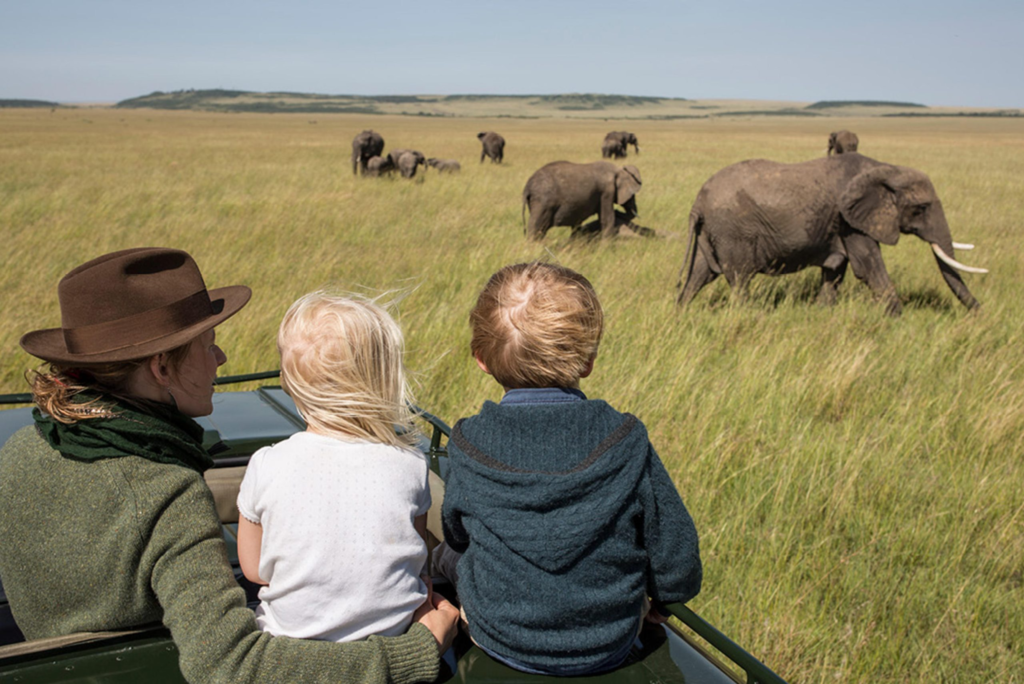
A proper safari vehicle is not a regular rental car with a roof hatch. We use extended Land Cruisers with pop-up roofs, charging ports, a fridge for water, and recovery gear for muddy tracks after rain. Maintaining these vehicles in bush conditions is expensive – tires alone on corrugated roads wear fast. Fuel for a week-long Northern Circuit loop adds hundreds of dollars per vehicle.
Sharing a vehicle lowers your Serengeti safari cost per person, but a private vehicle gives you flexibility to stop for that perfect photo or follow a leopard into the brush without negotiating with strangers. Couples and families almost always choose private vehicles once they see the difference on day one.
Guide Fees and Operator Services
Your guide is the difference between checking animals off a list and understanding the ecosystem. Certified guides in Tanzania train for years, pass licensing exams, and learn animal behavior, bird calls, and guest safety protocols. A skilled guide knows which kopje holds lions this week, where the migration herds crossed yesterday, and how to read the wind so you do not spook a cheetah mid-hunt.
Operator fees also cover the invisible work: permit applications, lodge deposits, vehicle insurance, satellite phones, and the 2 a.m. phone call when a flight is delayed. When you contact us for a quote, you are paying for a team that has done this hundreds of times – not just a driver with a map.
Sample Serengeti Safari Cost Breakdowns
These sample totals are ballpark figures for 2026. Actual quotes vary by season, lodge availability, and group size. Solo travelers pay more per person; groups of four or more often see meaningful discounts.
4-day Serengeti-focused safari (mid-range, 2 travelers)
- Park fees: USD 350-450 per person
- Accommodation (3 nights): USD 900-1,200 per person
- Vehicle, guide, fuel: USD 600-800 per person
- Meals and transfers: USD 200-350 per person
- Estimated total: USD 2,050-2,800 per person
5-day Serengeti safari cost (mid-range, 2 travelers)
A 5-day Serengeti safari cost typically runs USD 2,500-3,800 per person in mid-range comfort, including Ngorongoro or Tarangire. Shorter stays reduce lodging costs but park fees and vehicle charges remain significant fixed expenses.
7-day Northern Circuit safari (mid-range, 2 travelers)
- Park fees (multiple parks): USD 550-750 per person
- Accommodation (6 nights): USD 1,400-2,100 per person
- Vehicle, guide, fuel: USD 900-1,200 per person
- Meals and transfers: USD 350-500 per person
- Estimated total: USD 3,200-4,550 per person
7-Day Northern Circuit Safari Cost Example
Most guests do not visit Serengeti in isolation. The classic Northern Circuit combines Tarangire’s elephant herds, Ngorongoro’s crater floor, and Serengeti’s endless plains. A 7-day northern circuit safari cost in 2026 averages USD 450-650 per person per day for mid-range travel, which puts a couple around USD 3,500-5,000 total.
Our 8 Days Serengeti Wildebeest Migration Safari is priced higher during peak river-crossing windows because camps along the Mara and Grumeti corridors command premium rates. If migration timing is your priority, book 6-12 months ahead and expect to pay 20-40% more than low-season dates.
Hidden Fees Travelers Often Miss
Nothing frustrates travelers more than surprise costs at the end of a trip. After years of cleaning up misunderstandings, here is what I tell every guest to confirm before paying a deposit.
- Tips – Budget USD 15-25 per day for your guide and USD 10-15 per day for camp staff.
- Visa fees – Tanzania visa on arrival or e-visa (check current rates).
- Travel insurance – Strongly recommended; not included in safari packages.
- Drinks – Sodas, beer, and wine at lodges add up fast.
- Single supplement – Solo travelers often pay 25-50% more for private rooms.
- Domestic flights – Fly-in safaris to Seronera or Grumeti airstrips cost extra.
- Optional activities – Balloon safaris (USD 550-600+), cultural visits, night drives where permitted.
Ask your operator for a written inclusion list. If park fees, crater fees, or VAT are listed as “extra,” your headline price is not the real Serengeti safari cost.
How Season Affects Serengeti Safari Pricing
Season and length drive price as much as lodge level. Before you lock a budget, read our guides on how many days you need in the Serengeti, best month for a Tanzania safari, and Masai Mara vs Serengeti comparison. Wildlife quality matters too – a mid-range camp near prime Serengeti lion territory often beats a cheap loop that skips the best zones.
Seasonality is the single biggest swing factor after lodge category. For wildlife context beyond pricing, see our Serengeti wildlife guide and photo gallery. Peak season (June through October, plus Christmas/New Year) sees lodges at 90-100% occupancy and rates at their highest. Shoulder months (November, early December, March) offer better value with green landscapes and newborn calves. Long rains (April-May) bring the lowest prices and fewer crowds, though some roads become challenging.
The Great Migration does not follow a calendar – it follows rain and grass. But tourist demand does follow a calendar, and that demand sets prices. If you are flexible on dates, shifting your Serengeti safari cost by even two weeks can save hundreds per person.
Luxury vs Mid-Range vs Budget: What You Actually Get
The wildlife does not check your lodge invoice before appearing at your window. Lions, elephants, and cheetahs show up for budget campers and luxury guests alike. What changes is comfort, drive time, guide-to-guest ratio, and how rested you feel at 5 a.m. when the guide says, “There is a leopard in that tree.”
Budget safaris deliver the core Serengeti experience. Mid-range adds consistency – better vehicles, reliable lodges, and guides who anticipate your needs. Luxury adds intimacy and location, placing you in the heart of the action with service that feels effortless. None of these tiers is “wrong” if it matches your travel style and budget.
Is a Serengeti Safari Worth the Money?
Yes – and I do not say that lightly as someone who sells safaris for a living. Serengeti is one of the last places on earth where you can watch hundreds of thousands of wildebeest move across an open plain, see a lion pride on a kill before breakfast, and fall asleep to hyena calls under a sky so full of stars it looks unreal. No documentary prepares you for the scale of it.
Is it worth USD 10,000 per person? That depends on your finances and priorities. Is it worth planning carefully, saving where it makes sense, and investing in a reputable operator so your once-in-a-lifetime trip actually delivers? Absolutely. Browse our Serengeti wildlife gallery and Serengeti animals guide to see what awaits – then decide what tier fits your budget.
How to Save on Serengeti Safari Cost Without Ruining the Trip
Smart savings are not about choosing the cheapest quote on Google. They are about trimming what does not matter to you while protecting what does.
- Travel in shoulder season – November and March offer excellent wildlife with lower rates.
- Join a small group – 4-6 travelers splitting vehicle costs saves significantly.
- Book directly with a local operator – Arusha-based companies like ours cut out middleman markups.
- Combine parks efficiently – Poor routing wastes days and fuel; good routing saves both.
- Skip unnecessary luxury – If you are out on game drives dawn to dusk, lavish lodge amenities matter less.
- Book early – Peak-season camps reward planners with better rates and room choice.
What I never recommend: unlicensed operators, vehicles without seat belts or shade, or quotes that exclude park fees to look artificially cheap. Those savings can cost you safety, time, or the trip itself.
What I Loved Most About Serengeti Safaris
After countless trips into the Serengeti, the moments that stay with me are never the ones I planned. It is the silence on the Ndutu plains when a million wildebeest graze so close you hear them breathing. It is a guest whispering, “I did not know it would feel like this,” with tears in her eyes after her first elephant family crossing. It is my guide Joseph pointing out a serval cat most people would drive right past, and the whole vehicle going quiet in awe.
The Serengeti does not perform on schedule. Some days you wait hours for action; other days predators appear in every direction. That unpredictability is the magic – and it is why I tell every traveler that the right guide and enough time in the park matter more than the thread count on your sheets.
My Honest Experience Planning Serengeti Trips from Arusha
What exceeded my expectations over the years is how emotionally moved guests are by the Serengeti. People arrive thinking about Big Five checklists and leave talking about connection – to nature, to their families, to something bigger than a vacation.
What surprised me early in my career is how much pricing confusion hurts trust. A guest who feels overcharged remembers that feeling longer than they remember a lion sighting. That is why Zamadam Adventure publishes transparent breakdowns and answers cost questions before anyone sends a deposit.
What travelers should know: Serengeti is not a budget day trip. It is a remote, regulated, world-class wilderness that requires real investment in logistics and conservation. If someone promises a week in Serengeti for USD 800 all-inclusive, ask hard questions about what is left out.
Recommended Serengeti Safari Itinerary and Daily Budget
For first-time visitors, I recommend at least 2 full days inside Serengeti on a 6-8 day Northern Circuit itinerary. Here is a sample daily budget for a mid-range traveler in 2026.
- Day 1: Arusha to Tarangire – USD 400-550 per person (includes park fees, lodge, vehicle)
- Day 2: Tarangire to Serengeti – USD 450-600 (long drive day, park entry)
- Day 3-4: Full days Serengeti game drives – USD 450-650 per day
- Day 5: Serengeti to Ngorongoro area – USD 400-550
- Day 6: Ngorongoro crater and return – USD 450-600 (crater fees add cost)
- Day 7: Transfer to airport – USD 100-200
Ready to turn these numbers into a real itinerary? Book now or explore every option on our all trips page. We will match your dates, budget, and wildlife priorities to a route that makes sense – not just the most expensive camp available.
Serengeti safari cost at a glance (2026)
Use this as a planning snapshot. Final Serengeti safari cost depends on season, lodge level, and group size. Ask us for a quote matched to your dates.
| Style | Typical daily budget (per person) | Best for |
|---|---|---|
| Budget / camping | USD 250-400 | Value travelers |
| Mid-range lodges | USD 400-700 | Most first-timers |
| Luxury | USD 800-1,500+ | Private camps & premium lodges |
Related planning: 7 day Tanzania safari itinerary, Tarangire safari guide, and Lake Manyara safari guide.
Serengeti safari cost vs full Northern Circuit price
When people search serengeti safari cost, they often mean the whole Northern Circuit – Tarangire or Manyara, Serengeti nights, and Ngorongoro – not Serengeti alone. Park fees, crater service fees, and lodge tier drive the total more than the park name on the brochure. A private 7-day loop from Arusha usually costs more per person than a shared group departure, but you gain flexible timing and photography stops.
Use this page for Serengeti line items, then compare a full week on our 7-day itinerary and ask for a private quote via private safari from Arusha.
Frequently Asked QuestionsRelated Serengeti Planning Guides
- How Much Does a Serengeti Safari Cost? (2026 Guide)
- How Many Days Do You Need in the Serengeti?
- Best Month for a Tanzania Safari (and Serengeti)
- Serengeti Safari Packing List
- Masai Mara vs Serengeti Safari
- Bathroom on Safari in the Serengeti
- Is the Serengeti Crowded? Wildlife Guide
- Is Tanzania Safari Safe for Americans?
- Serengeti Conservation Threats and How to Help
Explore our pillar Serengeti wildlife guide and wildlife gallery, then browse all trips, contact us, or book your safari when you are ready.
Last updated: June 2026. Planning details change – confirm current park fees and lodge availability when you request a quote.
Written by the Zamadam Adventure Team, Arusha, Tanzania.
How Serengeti safari cost fits a full Tanzania budget
Serengeti nights are often the biggest line item in a northern circuit week. In my experience guests price Serengeti in isolation, then feel shocked when Ngorongoro and Tarangire are added. Use this page for Serengeti depth, then read our broader Tanzania safari cost guide for full-trip math.
I still remember rebuilding a quote after a client compared a Serengeti-only camping rate to a luxury full-circuit proposal. Once inclusions matched, the conversation got calm again. Compare lodge level, fees, and vehicle privacy before you chase the lowest screenshot.
Quick questions that change your Serengeti number
- How many nights inside or beside the park?
- Private guide or shared vehicle?
- Migration-season camp or flexible location?
- Fly-in versus road safari from Arusha?
- Balloon morning yes, maybe, or no?
Looking back, answering those five questions early saves days of vague back-and-forth. Send them through contact us and we will return a clear Serengeti safari cost range for your dates.
A Serengeti safari typically costs USD 250-1,200+ per person per day depending on lodge level and season. A 5-day mid-range trip for two travelers often totals USD 2,500-3,800 per person including park fees, lodging, vehicle, and guide.
Park entry alone costs roughly USD 70-80 per adult per day plus vehicle fees. A complete visit including transport, guide, meals, and lodging starts around USD 250 per person per day budget and rises sharply for mid-range and luxury camps.
Serengeti is remote, heavily regulated, and in high demand. Costs reflect government park fees, long-distance 4×4 logistics, certified guides, and lodge concession fees inside a UNESCO World Heritage ecosystem. Peak migration season pushes prices higher.
A 5-day Serengeti-focused safari in mid-range comfort typically costs USD 2,500-3,800 per person for two travelers, including park fees, lodging, private vehicle, guide, and most meals. Luxury migration camps can exceed USD 6,000-8,000 per person.
For most travelers, yes. Serengeti offers unmatched wildlife density, the Great Migration, and vast open landscapes found almost nowhere else. Investing in a reputable operator and enough days in the park maximizes value regardless of budget tier.
Travel in low or shoulder season, join a small group to share vehicle costs, book with a local Arusha operator, and choose camping or basic lodges outside peak zones. Never sacrifice licensed guides and included park fees to save money.
Related planning: best month for a Tanzania safari.
Related planning: Masai Mara vs Serengeti comparison.
Plan your trip next
- How many days do you need in the Serengeti?
- Serengeti animals and wildlife you will actually see
- 7-day Northern Circuit Tanzania safari itinerary
- Safari and beach (bush to beach) itinerary
- Family-friendly Tanzania safari tours
- Request a travel proposal for exact Serengeti safari prices
Couples planning romance after the bush can also read our honeymoon safari Tanzania guide.