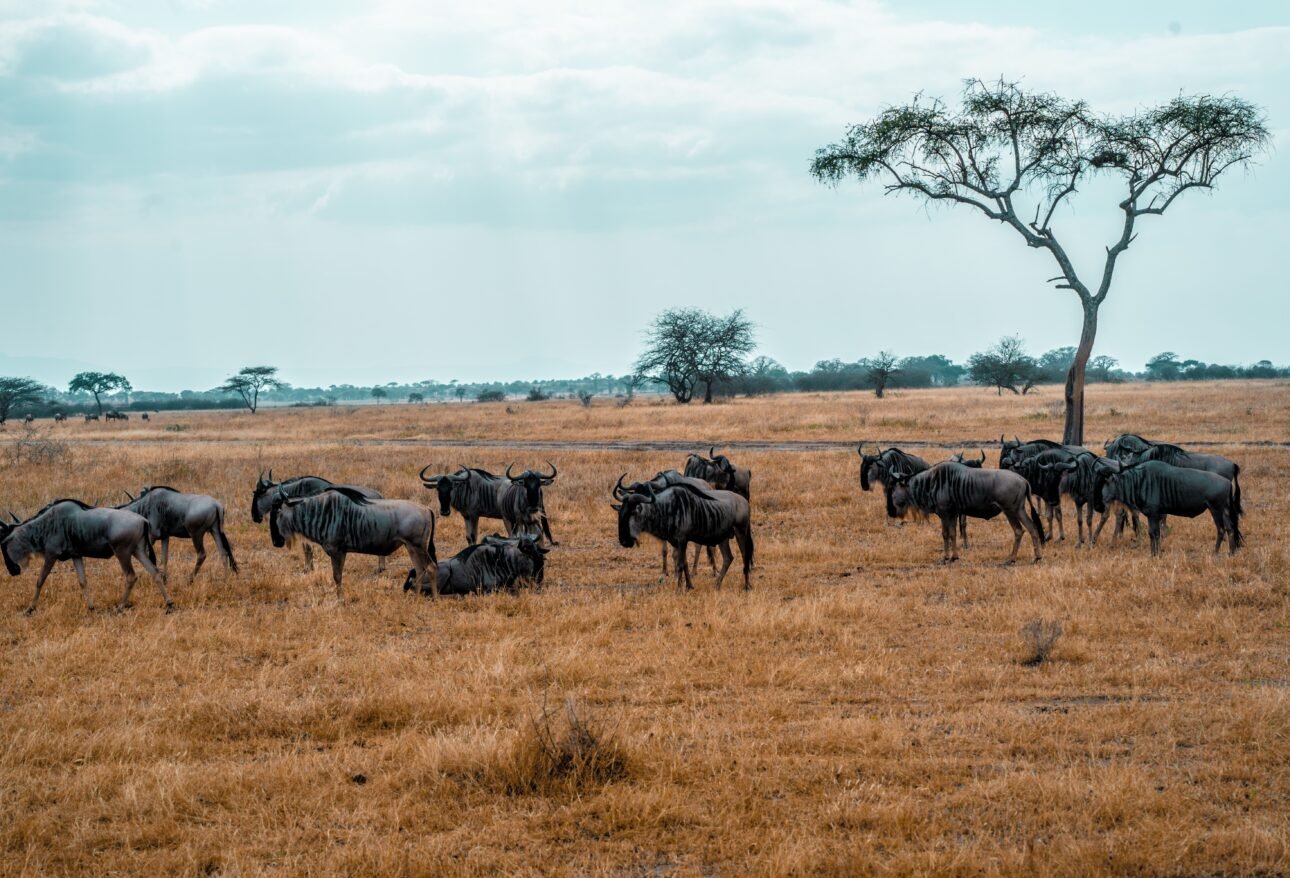
The best month for a Tanzania safari is not one date on a calendar. The best time for a Tanzania safari, including Serengeti, is June to October for dry-season viewing, or February to March for calving. This month-by-month guide covers Serengeti, Ngorongoro, Tarangire, and the rest of the northern circuit so you can match parks, crowds, and budget before you book.
We plan northern circuit trips from Arusha at Zamadam Adventure. Pair this with our 7 day Tanzania safari itinerary and Tanzania safari cost guide when you are ready to lock dates.
Quick answer: best month and best time for a Tanzania safari
For most first-time visitors, the best time for a Tanzania safari is the long dry season from June to October: clearer roads, animals concentrating near water, and strong Big Five sightings in Serengeti and Ngorongoro. If you prefer greener landscapes, fewer vehicles, and lower lodge rates, late January to March is excellent.
Dry season vs green season in northern Tanzania
June to October (long dry)
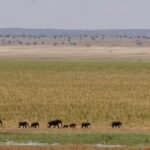
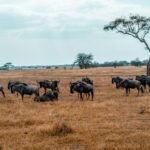
Expect golden grass, reliable game drives, and peak demand. Serengeti herds push north toward the Mara River crossings around July to October (timing shifts yearly). Ngorongoro stays productive all year. Book lodges early for July and August.
November to mid-December (short rains)
Afternoon showers refresh the bush. Wildlife viewing stays good between storms, and rates often drop versus high season. Pack a light rain jacket and keep daily timing flexible.
Late December to March (green / calving window)
Southern Serengeti and Ndutu plains fill with wildebeest calves in roughly February to March. Predators follow. Landscapes look lush, birdlife is rich, and soft light after rain is excellent for photography. Some remote tracks can be muddy after heavy storms.
April to May (long rains)
This is the quietest and cheapest window. Some camps close; others offer strong value. Wildlife is still present, but rain can shorten drive windows. Good for flexible travelers who prioritize solitude over perfect schedules.
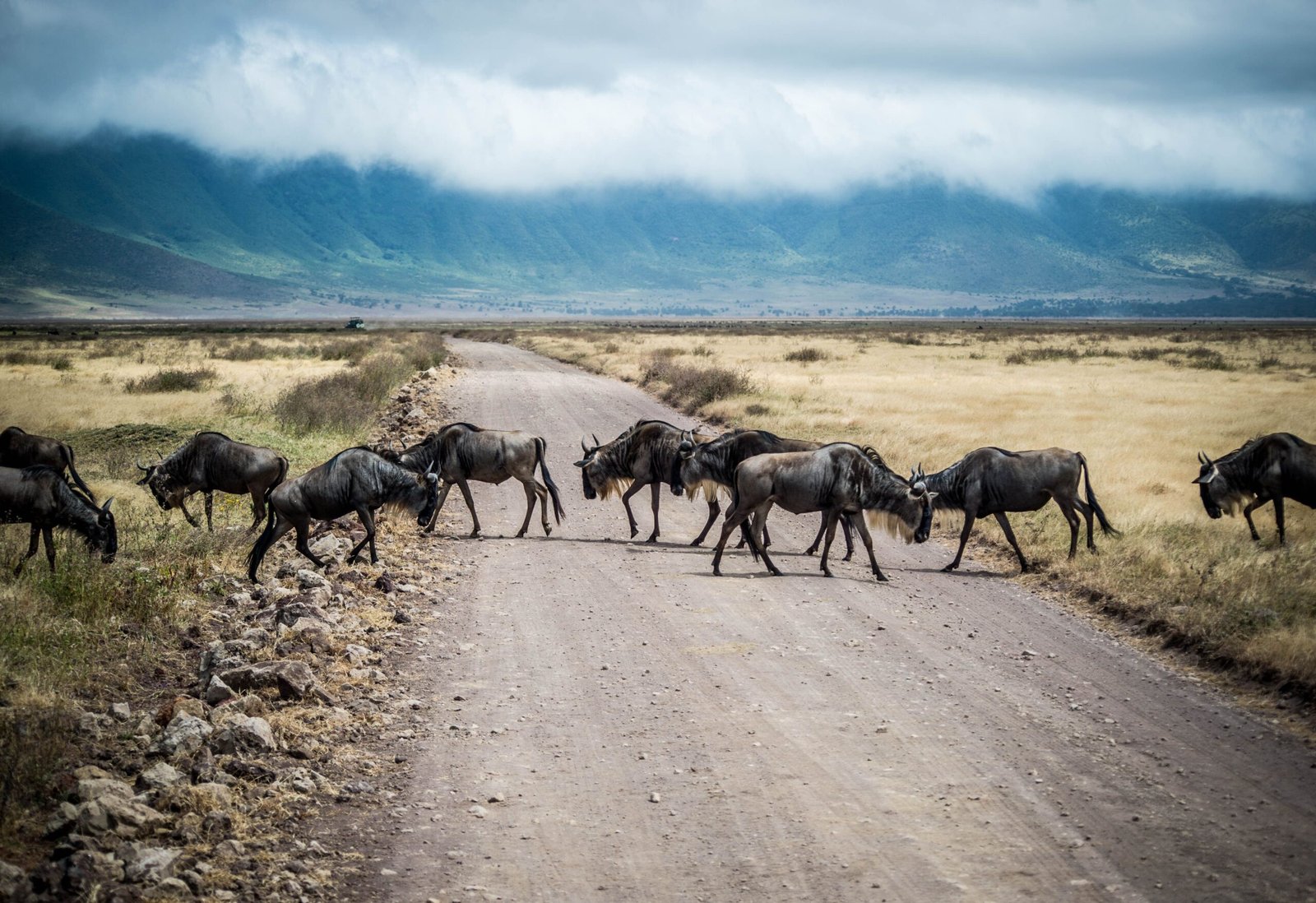
Best time by park on the northern circuit
Serengeti National Park
Year-round destination. Choose south/Ndutu for calving (Feb-Mar), central Seronera for consistent cats most months, and north for river crossings in peak dry months. More route ideas sit in our Tanzania safari tours guide.
Ngorongoro Crater
Strong in every season. Dry months make spotting easier on open floor grassland; green months bring dramatic rim views and active birdlife. See our full Ngorongoro Crater safari guide for day-trip logistics.
Tarangire National Park
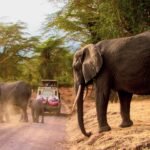
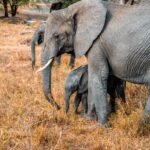
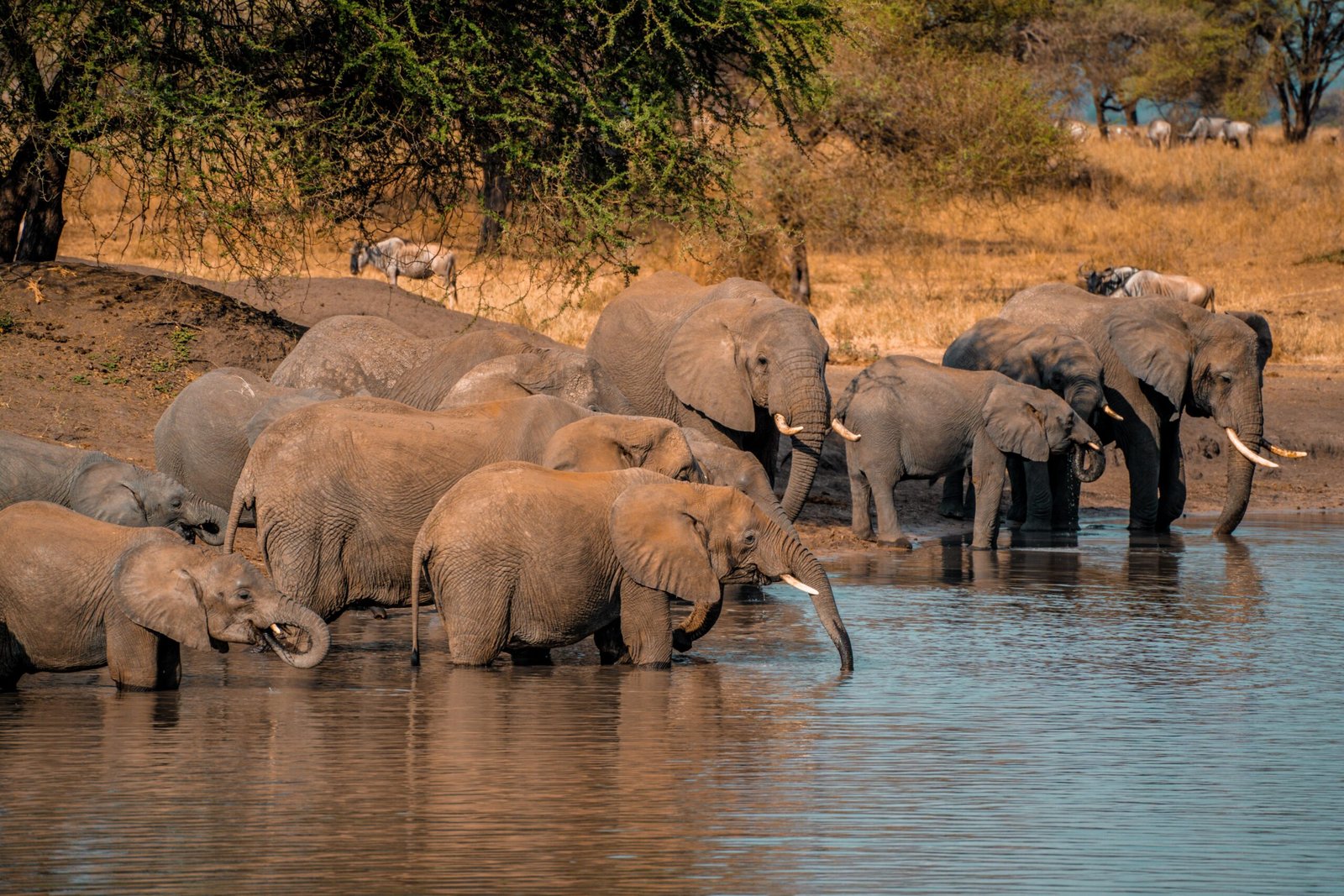
Shines in the long dry season when elephants and other wildlife crowd the Tarangire River. Green season is quieter but still rewarding for baobab scenery.
Lake Manyara
Good year-round along the lake edge and groundwater forest. Birding peaks in wetter months. Details in our Lake Manyara safari guide.
Month-by-month Tanzania safari calendar
- January: Green landscapes, good predator action in south Serengeti, fewer peak-season crowds.
- February-March: Calving season highlight; excellent for photographers.
- April-May: Long rains, best prices, some closures, flexible itineraries.
- June: Dry season starts; herds begin moving; demand rises.
- July-August: Peak safari season; book early; river crossing odds rise in the north.
- September-October: Still dry and productive; often slightly less crowded than August.
- November: Short rains begin; value improves.
- December: Festive travel demand; mix of green scenery and holiday surcharges.
Best time for Tanzania safari by traveler type
First-timers: June to October for classic dry-season viewing. Families: July-August or January school-holiday windows with private vehicles – see family safari Tanzania. Budget travelers: April-May or November. Migration hunters: Feb-Mar (calving) or Jul-Oct (crossings). Honeymoons: shoulder months like June or late October for weather and privacy – see honeymoon safari Tanzania.
How season changes safari prices
High season (especially July-August and late December) means higher lodge rates and fuller crater rim camps. Shoulder and green season often save money on mid-range lodges without sacrificing wildlife. Use our cost guide for USD ranges by style, then ask for a date-specific quote.
What I tell guests who ask when they should come
I still remember standing on a green Ndutu plain in March watching jackals work the calving grounds – completely different energy from a dusty August crossing day in the north. Neither is better. The best time for a Tanzania safari is the season that matches your must-see moment, school calendar, and comfort with crowds or mud.
If you only have one week, start with the 7 day northern circuit plan or our 7 Days | 6 Nights package, then we tune parks to your month.
Planning next steps
Share your preferred month, group size, and must-see wildlife via contact us. For operator checks, read how to choose a Tanzania safari company. Browse more routes on all trips.
What I did not know before my first Tanzania safari season
In my experience, first-time guests often treat best time like a single magic month. I used to think that way too. What I did not know is that Tanzania northern circuit can deliver outstanding wildlife in almost every season – the trade-off is not quality versus nothing, it is style of experience.
I still remember a guest who insisted only August would work. We made August wonderful, but looking back they would have loved a quieter February calving trip just as much. The best time for a Tanzania safari is the window that matches your must-see moment, not a rumor on a forum.
My experience: dry-season August versus green-season March
August mornings in Serengeti feel crisp and dusty. You smell dry grass, hear tire crunch on tracks, and watch animals pull toward water. Sightings can come fast. The crater floor in Ngorongoro feels open and golden. I could not stop smiling the first time a dry-season lion coalition walked a river line at midday.
March is a different movie. Clouds build, light softens, and the plains turn green. In Ndutu I watched newborn wildebeest find their legs while jackals worked the edges. What surprised me most was how intimate it felt – fewer vehicles on some loops, more bird calls after rain, and soft evening color that photographers chase for years.
Neither month is better in an absolute sense. August wins for classic dry-season drama and easier logistics. March wins for calving energy and atmosphere. If someone asks which I prefer personally, I cheat and say both – for different reasons.
Migration timing realities from the ground
What I wish more travelers knew: migration maps are averages, not GPS guarantees. Herds shift with rain. A July crossing year can run early or late. We plan north Serengeti windows for river-crossing odds, and south Ndutu windows for calving odds – then we stay flexible when the bush tells a different story.
If your dream is a crossing photo, build buffer days and accept that nature directs the schedule. If your dream is cats, elephants, and crater wildlife, you can succeed in many months without chasing one river event. In my experience, guests who obsess over one viral crossing clip are the ones who feel disappointed even on a strong safari week.
Crowds, lodge rates, and what high season really feels like
In peak weeks, crater descent queues form earlier, popular Serengeti junctions get busy after 9 a.m., and rim lodges book out months ahead. That does not ruin a trip. Private timing, picnic strategy, and patient guiding still create quiet moments. Off-peak weeks can feel like you have the track to yourself after a morning shower.
Looking back, guests who value solitude often thank us more for a late-January or November plan than for a packed August week – even when August delivered bigger herd numbers. Decide whether you want maximum spectacle density or more breathing room.
Rain, roads, and the days that taught me patience
I still remember an April afternoon when black clouds stacked over the crater rim and we delayed descent. The wait felt long. Then the light broke, steam rose off the grass, and a rhino walked into clean air like a postcard. What I did not know early in my guiding years is that rain does not cancel safari – it reshapes the rhythm.
Long rains mean some camps close and some tracks soften. They also mean fewer vehicles and softer rates. If you are flexible and travel with a strong 4×4 plan, April and May can be quietly excellent. If you need rigid timing for international flights the same evening, choose a drier window.
Best time for a Tanzania safari if you also want Zanzibar
Many guests fly to Zanzibar after the bush. Beach weather is often lovely from June through October and again in short dry windows. Long rains can mean greener safari days and more humid island afternoons. We usually plan safari first, beach second, and keep one buffer night if weather systems are active.
Month details travelers ask me about most
January: Green and photogenic, good predator action in the south, fewer peak-season crowds. February-March: Calving peak energy. April-May: Quiet and value-focused, flexible plans required. June: Dry season begins and demand rises. July-August: Peak classic safari, book early. September-October: Still dry and productive with slightly more breathing room than August on some routes. November: Short rains and better value. December: Festive demand plus mixed green scenery.
Mistakes I see when people choose dates
- Booking the cheapest month without checking which camps are open.
- Expecting river crossings every day in a short northern stay.
- Ignoring school holidays and Christmas surcharges until the quote arrives.
- Choosing dates only from a viral reel, not from park goals.
- Leaving zero flexibility for rain delays or migration shifts.
A practical way we help you pick dates
When you write us, tell me three things: must-see wildlife, travel month flexibility, and whether you hate crowds more than you hate mud. From there we propose two date windows and a sample route. That conversation usually clarifies the best time for a Tanzania safari faster than any generic chart.
If you already know you have seven days, start with the 7 day itinerary and we will season-tune Serengeti nights. Packing changes by month too – use the Tanzania safari packing list.
What packing changes by season (from real guest bags)
In dry season I see lighter layers, dust protection, and strong sun hats. In green season I see the same base kit plus a compact rain shell and quick-dry pants. What surprised me early on is how many people overpack formal clothes they never wear. Safari evenings are casual. Save suitcase space for binoculars and a warm morning fleece.
Family timing notes from trips we have guided
Families often need school-holiday dates, which pushes July, August, or late December. Those weeks work – we just plan private vehicles, shorter crater days for younger kids, and realistic drive expectations. In my experience, a well-paced private itinerary beats a crowded shared truck even in peak month. More detail sits in our family safari Tanzania guide.
Photography seasons: hard light, soft light, and dust
Photographers ask me about golden hour. Dry season gives long clear mornings and dramatic dust backlit by sunset. Green season gives moody skies and richer color in grass and trees. I love both. If you shoot birds, wetter months can feel like a gift. If you shoot big cats on open plains, dry months make spotting and framing simpler.
Final takeaway from years of date conversations
If you force me to give one default answer for first-timers, I still say June to October for the classic best time for a Tanzania safari. If you force me to give the answer I wish more people heard, I say: come when you can stay longer, stay curious, and let the season be part of the story instead of a pass or fail test.
Share your preferred month and must-see list via contact us. We will reply with honest timing advice and a route that fits – including Tarangire or Manyara choices from our Tarangire vs Manyara comparison when those parks are in play.
Sample date windows we recommend most often
Window A – Classic dry: late June to early October. Best for first-timers who want clear roads and concentrated wildlife. Book lodges early for July and August.
Window B – Calving green: late January to March. Best for photographers and travelers who want newborn herds and softer light. In my experience this is the season guests describe as emotional.
Window C – Value shoulder: November or early June. Good balance of wildlife and price, with fewer peak crowds. What I did not expect the first time I sold November was how often guests said they would choose it again.
Window D – Quiet rains: April to May for flexible travelers. Lower rates, some closures, and memorable storm light. Not ideal if your schedule cannot bend.
One more honest note before you book
I cannot promise a specific animal on a specific morning in any month. What I can promise is that a well-built northern circuit plan – with the right parks for your dates – gives you real odds and a trip that feels alive. That is the standard we use at Zamadam Adventure every time someone asks for the best time for a Tanzania safari.
One last practical tip from the office in Arusha: if your dates are fixed by school holidays, do not panic. We design around peak weeks every year. If your dates are flexible by even two weeks, tell us – that tiny shift can improve lodge availability, price, and crowd levels without changing your wildlife goals.
I also tell couples and friends traveling together to write down their non-negotiables separately, then compare. One person wants migration. One person wants fewer crowds. That five-minute exercise has saved more awkward planning calls than any brochure. Once non-negotiables are clear, choosing the best time for a Tanzania safari becomes calmer and more honest.
Whenever you are ready, send those dates. In my experience the best trips start with an honest season conversation, not a copied itinerary from someone else travel month.
For classic dry-season game viewing, June to October is the most popular best time for a Tanzania safari. For calving and greener scenery with fewer crowds, late January to March is excellent.
Calving is usually around February to March in the southern Serengeti and Ndutu area. Northern river crossings are typically strongest from about July to October, but exact timing shifts each year.
Not bad, but wetter. You get lower prices and fewer vehicles. Some camps close and heavy rain can limit afternoon drives, so keep itineraries flexible.
Ngorongoro works year-round. Dry months make spotting easier on the crater floor; green months offer lush views and strong birding.
Long rains (roughly April to May) and parts of the short rains often bring the best lodge rates. Confirm which camps remain open for your dates.