Choosing a Tanzania safari company is less about the prettiest Instagram feed and more about who actually runs your game drives, holds valid licenses, and answers honestly when plans change. This guide walks through the checks we wish every traveler ran before wiring a deposit.
We are an Arusha-based operator at Zamadam Adventure. Use this as a buyer checklist whether you book with us or someone else. For price context, pair it with our Tanzania safari cost guide.
What a good Tanzania safari company actually does
A solid Tanzania safari company designs a realistic itinerary, books park fees correctly, staffs a licensed guide-driver, and stays reachable when weather or migration patterns shift. They should explain what is included, what is not, and how refunds or date changes work before you pay.
In northern Tanzania that usually means coordinating Arusha logistics, Serengeti and Ngorongoro permits, lodging tiers that match your budget, and clear vehicle standards. If answers feel vague on any of those, keep shopping.
License, insurance, and who is really operating
Ask who the licensed operator is. Many websites resell trips through local partners. That can work, but you need the partner name, their TALA (or equivalent) tourism license details, and proof of vehicle insurance. Confirm the company has a physical base near Arusha or another safari gateway, not only a booking form.
Questions that surface middlemen fast
- Who issues the invoice and collects park fees?
- Can I meet or video-call the local operations manager?
- What happens if my guide falls ill mid-trip?
- Are lodge bookings in your name or a third-party reseller?
Guides, vehicles, and group size
Your guide makes or breaks the safari. Ask about English level, years guiding the northern circuit, and whether the same person stays with you for the full trip. For vehicles, confirm 4×4 pop-top Land Cruisers, seat belts, and a maximum of six guests on shared departures unless you book private.
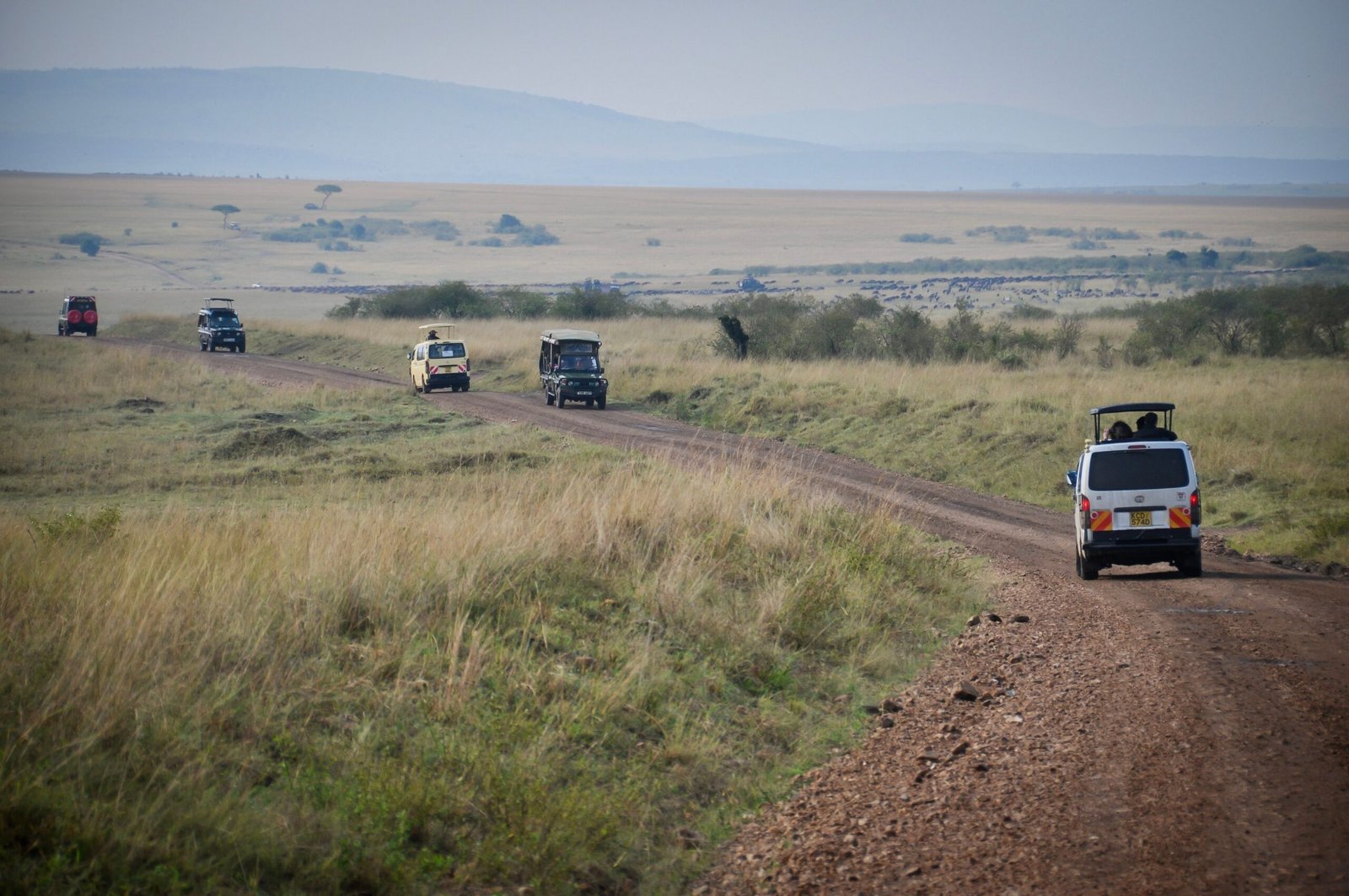
If you want schedule control, compare options in our private safari from Arusha guide. Families should also read family safari Tanzania for age and pacing tips.
How to read a safari quote
A clear quote lists park fees, lodging category, meals, airport transfers, and any balloon, walking, or cultural add-ons as separate lines. Beware rock-bottom packages that hide crater fees, Serengeti nights, or Christmas supplements. Mid-range private northern circuit trips often land in the USD 250 to USD 450 per person per day range before ultra-luxury lodges; see the cost guide for band-by-band detail.
Red flags in pricing
- Quotes that refuse to itemize park fees
- Pressure to pay 100 percent before any itinerary PDF
- “Unlimited game drives” with no mention of park closing hours
- Lodges named only as “similar standard” with no examples
Reviews, references, and social proof that matter
Look for recent trip reports that mention guide names, vehicle condition, and how problems were handled. Generic five-star fluff helps less than a detailed review about a delayed flight connection or a muddy Serengeti track. Ask for a past-guest reference in your country or travel style when the trip is high value.
Matching the company to your trip style
Budget camping operators excel at simple routes and shared trucks. Mid-range private companies balance comfort and wildlife time. Luxury specialists focus on lodge access and soft adventure. Do not force a camping outfitter into a honeymoon lodge trip, or a luxury brand into a shoestring family camp. For premium stays, see our luxury Tanzania safari overview.
Communication test before you book
Send three specific questions by email or WhatsApp and time the replies. Ask for a sample day-by-day Serengeti and Ngorongoro plan, a packing note for your month of travel, and their cancellation policy in writing. Slow or copy-paste answers before payment usually get worse after payment.
Payment safety and contracts
Prefer card, tracked bank transfer, or a known booking platform over informal cash apps. Keep a signed itinerary PDF, receipt, and emergency phone numbers offline. Deposits of 20 to 40 percent are common; full prepayment months ahead should come with a clear cancellation ladder, not silence.
A simple decision checklist
- Confirm local license and who operates on the ground.
- Meet the guiding style and vehicle standards.
- Get an itemized quote with park fees visible.
- Read recent reviews that mention real trip friction.
- Test response quality with concrete questions.
- Lock payment terms and cancellation rules in writing.
Where Zamadam Adventure fits
We specialize in private and small-group northern circuit trips from Arusha, with transparent inclusions and guides who live this landscape year-round. Browse Tanzania safari tours, compare parks in our Ngorongoro Crater safari guide, or contact us with your dates and group size for a custom quote.
Also useful: Kenya vs Tanzania safari if you are still choosing a country, and all trips for live departures.
In my experience: what separates a good safari company from a risky one
I still remember a traveler who almost booked the cheapest WhatsApp quote they found at midnight. The itinerary looked fine on paper. What I did not know until we compared notes is that park fees were vague, the vehicle type was unclear, and nobody could name the guide. That is the pattern I watch for. A good Tanzania safari company answers specifics before you pay. A risky one sells atmosphere and avoids details.
In my experience, the best operators sound calm under questions. They can explain crater fees, Serengeti night counts, and what happens if rain changes a crossing plan. Looking back, guests who asked hard questions early had smoother trips later.
Stories from quotes that looked cheap and were not
One family forwarded us a package that undercut every mid-range number we knew. The missing pieces showed up later: no crater service fee line, camping listed as lodge-equivalent, and airport transfer as optional. What surprised me is how often people feel embarrassed to ask. Never be embarrassed. Ask for an itemized PDF. If the company gets defensive, that is your answer.
A fair quote can still be affordable. Budget camping is real. Shared departures are real. The issue is not price – it is honesty. Use our Tanzania safari cost ranges as a sanity check before you wire a deposit.
What I wish every guest asked before booking
- Who is the licensed local operator on the ground in Tanzania?
- Will the same guide-driver stay with us for the full circuit?
- Exactly which park fees and crater fees are included?
- What vehicle model and maximum passenger count do you use?
- What is the written cancellation and date-change policy?
- Can I see recent guest contacts or detailed trip reports?
If those six answers come back clear, you are already ahead of most rushed bookings. If they come back fuzzy, keep shopping – including comparing private options in our private safari from Arusha guide.
How we handle planning conversations at Zamadam Adventure
When someone writes us, I look first at month, group size, and must-see wildlife. Then I check whether they need a family pace, luxury lodges, or a migration window. In my experience that order prevents fancy itineraries that do not fit real life. We would rather talk you out of an overloaded week than sell a route you will hate by day four.
I still remember a couple who wanted Serengeti, Ngorongoro, Tarangire, Manyara, cultural visits, and a balloon in six days. Looking back, the kindest answer was no. We rebuilt seven nights with breathing room. They later said the empty afternoon on the rim was their favorite memory. That is the personality I want in a Tanzania safari company: honest pacing over packed sales pages.
Red flags I teach friends and family to spot
Pressure to pay full balance immediately. No physical Arusha or Moshi base. Refusing to itemize park fees. Copy-paste itineraries with wrong park closing logic. Reviews that never mention a guide name. In my experience any two of those together are enough to walk away.
Green flags that make me trust an operator
They ask about your fitness, kids ages, and photo goals before selling a lodge list. They explain season trade-offs honestly – including when migration odds are uncertain. They send a clean inclusions sheet. They stay reachable on WhatsApp without drama. What I did not appreciate early in this industry is how much communication quality predicts field quality.
Private versus group: how to choose without regret
Group departures can be excellent for solo travelers who want company and a lower price. Private is better for families, honeymoon pacing, and photographers. I still remember a photographer who joined a shared truck and spent half the week negotiating stop times. Looking back, private would have cost more and saved the trip mood.
How to test a company in 48 hours
Send three questions: a sample Serengeti and Ngorongoro day plan for your month, a packing note, and cancellation terms in writing. Time the replies. Read whether answers are specific or generic. In my experience this 48-hour test reveals more than glossy websites.
Matching company style to trip style
Budget camping specialists, mid-range private teams, and luxury lodge planners are different crafts. Do not force one brand to become another. If you want canvas and simple meals, say so. If you want plunge pools and private guides, say so. Our luxury Tanzania safari and family safari Tanzania guides help you define the style before you choose the operator.
Final advice I give before anyone pays a deposit
Sleep on the quote. Re-read the inclusions. Confirm who holds your lodge bookings. Keep receipts. Choose the Tanzania safari company that treats your questions like part of the service, not an interruption. That is how confident bookings feel from Arusha to the Serengeti gate.
Payment safety lessons from real booking weeks
In my experience, secure card links and tracked bank transfers beat informal cash apps. Ask for invoices that match the company name on the license. Keep a PDF itinerary offline. What I did not know early on is how often travelers screenshot chats and then cannot find the final inclusions later. Save the official document.
When a local Arusha company is the smarter choice
International resellers can be fine if they are transparent about the ground operator. Direct local booking often means faster changes when weather or migration shifts. I still remember rearranging a Serengeti night after heavy rain because we could call camps directly the same afternoon. That speed is hard to fake from a call center far away.
A sample decision timeline we recommend
- Week 1: shortlist two or three companies and send the same brief.
- Week 1: compare itemized quotes side by side.
- Week 2: video call or detailed WhatsApp with the operations person.
- Week 2: check reviews that mention friction, not only five-star fluff.
- Week 3: choose, pay the deposit, and calendar your balance due date.
Looking back, travelers who follow a timeline like this rarely panic later. Rushing the choose-a-company step is how people end up with mismatched lodges and unclear fees.
If you want help from our Arusha team
Send your month, group size, and style preference via contact us. Ask every hard question on this page. We expect them. Whether you book with Zamadam Adventure or another Tanzania safari company, use this checklist so your deposit buys clarity, not hope.
One booking story that changed how I brief guests
I still remember a guest who chose an operator because the Instagram feed looked perfect. On day two the guide was excellent – luck – but the logistics person never answered after deposit. The stress sat in the background of every game drive. In my experience, social media beauty is optional. Reliable operations are not. When you how to choose a Tanzania safari company, judge the boring systems: quotes, licenses, vehicles, and response habits.
That is the standard we hold ourselves to in Arusha. Ask us the uncomfortable questions. A trustworthy company welcomes them.
Before you pay, re-read this page once more with your travel partner. Circle the questions you still need answered. In my experience that simple habit prevents half the booking regrets we hear about later. Choosing a Tanzania safari company should feel careful, not rushed.
Checklist you can screenshot before calling any company
- License and local operator name written down
- Itemized park and crater fees
- Vehicle type and seat count
- Guide language and continuity
- Lodge names, not only similar standard
- Deposit percent and cancellation ladder
- Emergency phone numbers after hours
- Season honesty for your exact month
If a company clears this list cheerfully, you are usually in safe hands. If they dodge half of it, keep looking. That is how I how to choose a Tanzania safari company with clients every week from Arusha.
Keep this page bookmarked while you compare quotes. Revisit the red flags the night before you pay. In my experience the travelers who slow down for one extra check sleep better on the first night in camp.
What a trustworthy first reply looks like
A strong first reply restates your dates, asks one clarifying question, and offers a draft route with assumptions labeled clearly. A weak first reply sends a generic PDF and a pressure deadline. In my experience you can judge a Tanzania safari company from that first exchange alone more often than people think.
Save your shortlist, ask the same brief to each company, and compare answers like a table. The winner is usually obvious. That method is how I choose – and how I recommend you choose – a Tanzania safari company without gambling on glossy photos alone.
Verify the local operator license, ask who guides and drives you, demand an itemized quote with park fees, and test communication with specific itinerary questions before paying a deposit.
Either works if the company is licensed and transparent. Booking ahead secures lodges in peak season. Walk-in quotes in Arusha can work for flexible travelers, but rush deals can mean weaker lodging options.
Park fees, lodging nights, meals as listed, airport or hotel transfers, guide and vehicle, and any optional activities priced separately. Ask how Christmas or Easter supplements and crater fees are handled.
Low prices can be legitimate camping or shared trips, but extreme discounts often cut guide quality, vehicle maintenance, or hide park fees. Compare inclusions line by line, not only the total.
Not always. Shared departures can be excellent for solo travelers. Private is better for families, photographers, and anyone who wants flexible timing between parks.