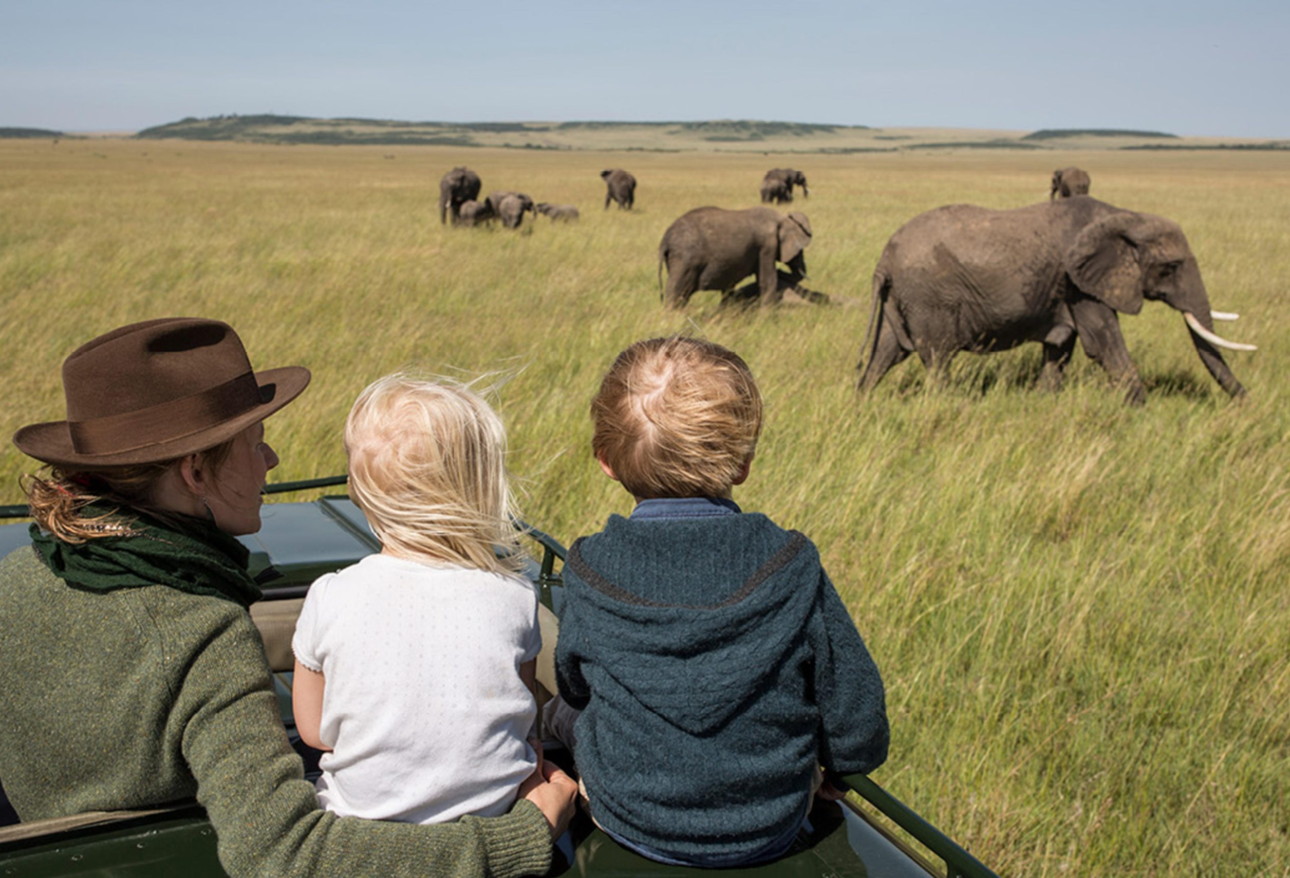
First time traveling to Tanzania? Most visitors need a tourist visa, fly into Kilimanjaro Airport (JRO) for a northern safari or Dar es Salaam (DAR) for the south or Zanzibar, and should ask a doctor about malaria and yellow fever before they fly. This 2026 guide is the logistics checklist from our Arusha office: visas, vaccines, airports, money, and the first 24 hours. For packing, use the Tanzania packing list. For safety, see is Tanzania safe to visit.
Whether you spell it traveling to Tanzania or travelling to Tanzania, the planning steps are the same. Start with our Tanzania destination guide, then use this article for visas, health, airports, and Tanzania travel logistics. When your route is clear, explore the pillar Tanzania safari tours guide for wildlife and park details.
Traveling to Tanzania at a Glance (2026 Checklist)
First time in Tanzania? Work through this checklist eight to twelve weeks before departure. Most delays we see are fixable – expired passport validity, missing visa approval, or vaccine timing – but only if you start early.
- Passport: valid at least six months beyond travel dates with blank pages
- Visa: apply online via the official Tanzania Immigration e-Visa portal before you fly
- Health: consult a travel clinic for yellow fever (if required), typhoid, hepatitis A, and malaria prophylaxis
- Flights: book JRO for northern safari and Kilimanjaro; DAR for southern parks or Zanzibar-first trips
- Insurance: comprehensive travel and medical evacuation cover for remote areas
- Money: USD in small bills for tips and visas; Tanzanian shillings for local purchases
- Operator: licensed safari company with TALA registration and clear inclusions
- Packing: soft bag, neutral layers, documents in carry-on – see our Serengeti safari packing list
Do You Need a Visa for Tanzania?
Yes, most international visitors need a visa to enter Tanzania. Citizens of a small number of countries are visa-exempt or eligible for visa on arrival, but in 2026 the safest approach for first-timers is the official online e-Visa before departure. Apply through the Tanzania Immigration Services Department portal, upload a passport scan and photo, pay the fee, and wait for approval email – usually a few days, though peak season can take longer.
I still remember a family from Boston who assumed they could buy a visa at JRO without pre-registration. They waited ninety minutes in a queue while their driver held our welcome sign outside. The visa was issued, but their first impression of Tanzania was stress instead of excitement. Pre-approved e-Visas let you walk straight to immigration with confidence.
Tanzania visa types for tourists
| Visa type | Best for | Typical stay |
|---|---|---|
| Ordinary (single entry) | Most safaris and Kilimanjaro treks | Up to 90 days |
| Multiple entry | Trips combining Kenya or repeat visits | Varies – confirm current rules |
| Transit | Short airport connections | Up to 7 days |
| East African Tourist Visa | Multi-country Kenya-Uganda-Rwanda-Tanzania loops | 90 days across partner countries |
Visa fees and rules change. Always confirm current amounts on the official government site before paying. Keep a printed or offline copy of your approval email and payment receipt. Immigration officers may ask for proof of onward travel and accommodation – your safari operator confirmation letter satisfies this for most guests.
Tanzania Entry Requirements Beyond the Visa
Your visa gets you through immigration; these documents keep the rest of your first day smooth. Tanzania requires a passport valid at least six months from entry. Airlines often deny boarding if yours expires sooner. Carry printed copies of e-Visa approval, travel insurance, yellow fever certificate (if applicable), and your full itinerary with lodge names and contact numbers.
Customs is straightforward for typical safari luggage: personal clothing, cameras, binoculars, and reasonable quantities of toiletries. Drones require advance permits from the Tanzania Civil Aviation Authority and park authorities – do not pack one hoping to “sort it out later.” Single-use plastic bags are restricted; pack reusable bags instead.
Travel Tip: Photograph your passport, visa approval, and insurance card. Email copies to yourself and a trusted contact at home. If a bag goes missing, you can still prove who you are.
What Vaccines Do You Need for Tanzania?
There is no single mandatory vaccine list for every traveler, but several are strongly recommended. Consult a travel medicine clinic six to eight weeks before departure – some vaccines need multiple doses or time to become effective. The U.S. Centers for Disease Control and Prevention (CDC) publishes country-specific guidance for Tanzania that your doctor will reference.
Commonly recommended vaccines
- Yellow fever: required if arriving from a yellow-fever-endemic country; certificate checked at entry
- Hepatitis A and B: food and water exposure on any Africa trip
- Typhoid: recommended for most travelers eating local food
- Tetanus and routine boosters: ensure standard vaccinations are current
- Rabies: consider for extended stays or close animal contact (not typical safari guests)
- COVID-19: check current entry rules – requirements have shifted since 2020
Malaria and everyday health on safari
Malaria exists in Tanzania below roughly 1,800 meters elevation, which includes most safari zones, coastal areas, and Zanzibar. Doctors often prescribe antimalarial tablets – options vary by health history. Combine medication with insect repellent (DEET or picaridin), long sleeves at dusk, and sleeping under nets provided by quality lodges.
On the road, the biggest health issues we see are dehydration, sunburn, and stomach upset from unfamiliar food. Drink bottled or filtered water unless your lodge confirms safe supply. Peel fruit or wash it. Our guides carry basic first aid kits, but pack personal prescriptions in original bottles with labels. Travel insurance with medical evacuation is not optional for remote bush airstrips – it is essential.
Which Airport Is Best for Safari: JRO or DAR?
For most first-time safari travelers, Kilimanjaro International Airport (JRO) near Arusha is the best choice. JRO sits at the gateway to the Northern Circuit – Serengeti, Ngorongoro, Tarangire, Lake Manyara, and Kilimanjaro National Park. Transfer time to Arusha town is about one hour. We meet the majority of our guests at JRO with a name board, cold water, and a vehicle ready for the road or a rest night before an early departure.
Julius Nyerere International Airport (DAR) in Dar es Salaam suits different itineraries: southern circuit safaris (Nyerere, Ruaha, Mikumi), business travel, or Zanzibar-first beach holidays with a domestic connection north later. DAR is a larger hub with more international flight options from Europe, the Middle East, and Africa. If your safari is Serengeti-focused, flying into DAR adds an extra domestic leg unless you specifically want city time or southern parks.
JRO vs DAR at a glance
| Factor | JRO (Kilimanjaro) | DAR (Dar es Salaam) |
|---|---|---|
| Best for | Northern Circuit safari, Kilimanjaro, Arusha base | Southern parks, Zanzibar connections, city stopovers |
| Distance to Serengeti | Half day drive or short bush flight from Arusha | Fly or long drive via connection |
| International flights | Good from Europe via AMS, DOH, ADD | Excellent global hub options |
| First-night logistics | Arusha or Moshi lodges nearby | Dar hotels or ferry/air to Zanzibar |
Some travelers fly into one airport and out of the other – an open-jaw ticket – to combine safari and beach without backtracking. That works well for JRO in and Zanzibar (ZNZ) out, with a domestic flight between. We help map those connections on our interactive Tanzania safari map so you see drive times and park boundaries before you book flights.
Tanzania Travel Logistics After You Land
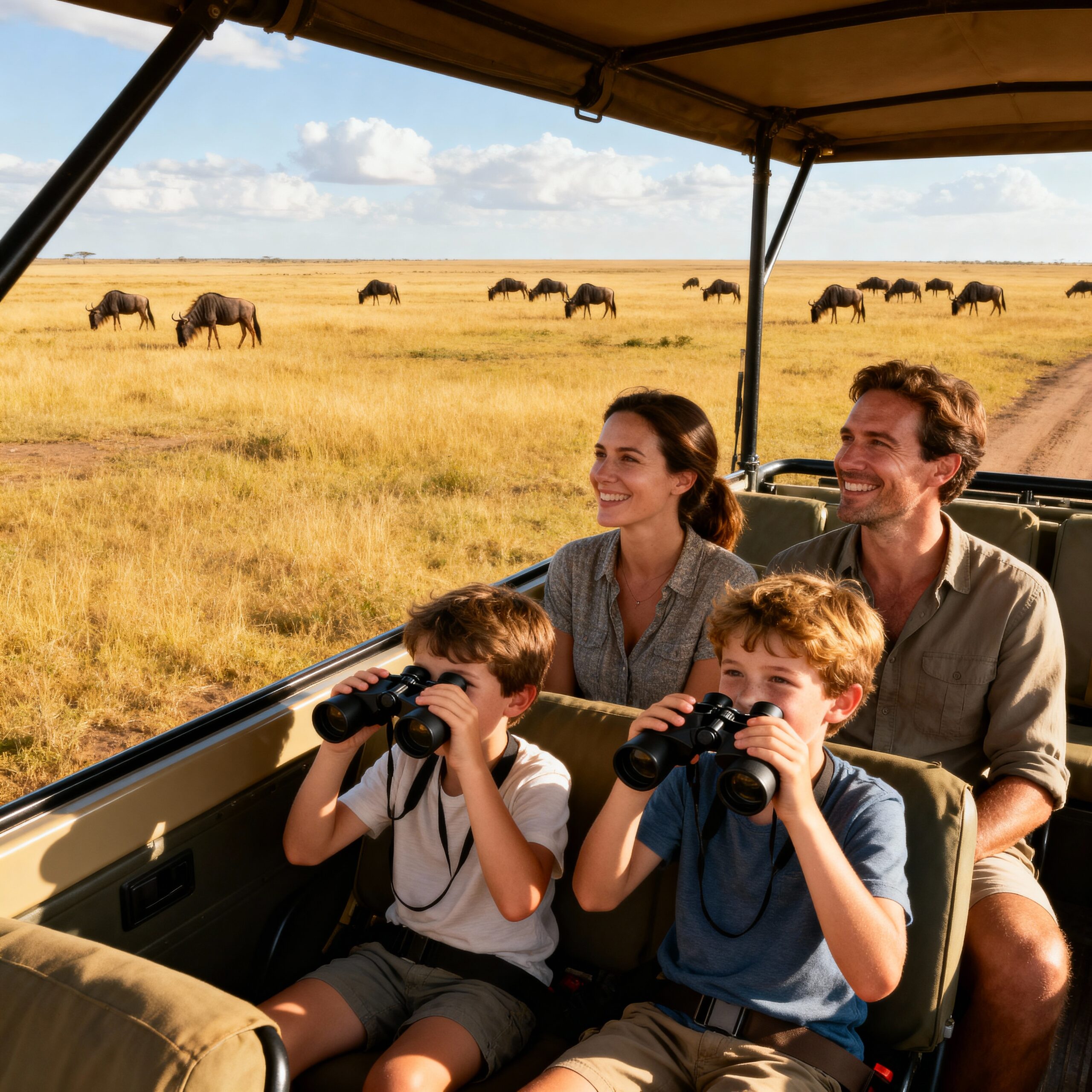
Tanzania travel logistics sound intimidating until you break them into stages: airport pickup, transfer to lodge or camp, park entry, daily game drives, and optional domestic flights. A reputable operator handles permits, park fees, vehicle, guide, and accommodation in one package – which is why most first-timers book a organized safari rather than self-driving.
Ground transfers and road conditions
From Arusha to the Ngorongoro rim takes roughly four hours on tarmac and graded roads. Serengeti access may add another two to four hours depending on gate and lodge location – or a scenic bush flight from Arusha or Manyara airstrips. Roads are bumpy but safe with experienced drivers in maintained 4×4 Land Cruisers. Seatbelts matter. Dust is real – pack a light scarf and keep cameras in closed bags between stops.
Domestic flights and baggage rules
Fly-in safaris to Seronera, Grumeti, or Kogatende use small aircraft with strict weight limits – typically 15 kg (33 lbs) per person in soft bags. Hard suitcases are refused. Wear your heaviest boots and jacket on the plane; put lenses in your daypack. We weigh bags at our Arusha office before remote flights to avoid surprises on dusty airstrips.
Park fees and TANAPA regulations
National park entry fees are set by the Tanzania National Parks Authority (TANAPA) and Ngorongoro Conservation Area Authority. Your operator includes these in quoted prices for fully arranged safaris. Rules include staying inside vehicles except at designated areas, no off-road driving, no feeding wildlife, and quiet voices near animals. UNESCO recognizes the Serengeti ecosystem as a World Heritage Site – treat it accordingly.
Ready to see routes and drive times visually? Our Tanzania map plots parks, airstrips, and typical circuit loops. Pair it with the Tanzania safari tours wildlife guide for species and season context.
Is Tanzania Safe for First-Time Visitors?
Tanzania is one of Africa’s most established safari destinations, hosting hundreds of thousands of international visitors annually. For first-timers on organized safaris, safety concerns usually shrink once you are in the bush with a licensed guide. Parks have ranger presence; camps have night watch; vehicles stay on regulated routes. The risks that matter most are preventable: dehydration, sun exposure, ignoring guide instructions near wildlife, and petty theft in busy urban areas if you wander alone at night with visible valuables.
Arusha and Dar es Salaam require normal city awareness – use hotel transfers, avoid displaying expensive jewelry, and agree taxi fares in advance or use ride apps where available. On safari, listen when your guide says stay seated, keep limbs inside the vehicle, and never approach wild animals. Wildlife is unpredictable; respect distances even when lions look sleepy.
For a deeper dive written for American travelers – crime, health, roads, and scams – read our dedicated guide: Is Tanzania safe for American travelers? The principles apply broadly to international guests. Check your government’s travel advisory before booking, and purchase insurance that covers your activities including trekking or beach extensions.
When Is the Best Time for Traveling to Tanzania?
There is no single wrong month, but there is a best month for your goals. Dry season (June through October) offers easier wildlife viewing, thinner vegetation, and animals congregating near water – peak season with higher prices and more vehicles at famous sightings. Green season (November through May, with long rains often March-May) brings lush landscapes, calving in the southern Serengeti, fewer crowds, and lower rates – plus afternoon showers you plan around.
Migration timing shifts year to year. The Mara River crossings in the north are most discussed July through September, but the herd moves in a cycle – not a calendar appointment. First-timers often ask “when should I go?” as if one date unlocks everything. Better question: what do you want most – river drama, newborn wildebeest, birding, budget, or empty roads?
We wrote a full month-by-month breakdown in our cluster guide best month for a Tanzania safari. Use it after this logistics primer to lock dates. If budget drives timing, pair it with our Serengeti safari cost guide so expectations match reality.
How Long Should You Plan for Your First Tanzania Trip?
Plan at least eight to ten days in country for a satisfying first safari combining two or three parks plus travel days. A compact seven-day Northern Circuit (Tarangire, Ngorongoro, Serengeti) works if you accept early starts and minimal beach time. Ten to twelve days lets you add Lake Manyara, a migration zone with fewer crowds, or a few nights in Zanzibar without rushing.
Jet lag from North America or Europe is real. Build one recovery night in Arusha or on the crater rim before intense game drives. Flying home the same day you leave the bush sounds efficient; it usually feels miserable. I advise guests to treat the last safari morning as a farewell, not a race to the airport.
Sample first-timer itineraries
| Duration | Route sketch | Best for |
|---|---|---|
| 7 days | Arusha – Tarangire – Ngorongoro – Central Serengeti – fly out JRO | Focused wildlife, limited vacation time |
| 10 days | Above plus northern Serengeti or Manyara, one buffer night | Migration interest, photography |
| 12-14 days | Northern Circuit + 3-4 nights Zanzibar stone town and beach | Honeymoon, family, safari-plus-beach |
| 8 days + trek | Kilimanjaro Marangu or Machame route before or after short safari | Active travelers with extra fitness prep |
Browse ready-made routes on all Tanzania trips or ask us to customize days around your flight times and interests.
Money, Phones, and Daily Practicalities
Tanzania uses the Tanzanian shilling (TZS). Safari quotes from reputable operators are often in USD for clarity. Bring clean, newer US dollar bills – large denominations from after 2009, no tears – for tips, visa on arrival backup, and some lodge extras. ATMs work in Arusha, Dar, and major towns; less so in remote bush. Credit cards are accepted at mid-range and luxury lodges but carry fees; local markets and small shops are cash-first.
Buy a local SIM (Vodacom, Airtel, Halotel) at the airport or in Arusha for data on the road. Coverage is good on main routes and near towns; patchy deep inside the Serengeti – which is part of the charm. Most lodges offer Wi-Fi in common areas, not always in tents. Download offline maps and your e-Visa PDF before leaving home.
Tipping is customary: guides, camp staff, and transfer drivers appreciate USD or shillings at trip end. Your operator can suggest ranges based on group size and trip length. It is not mandatory but recognized for excellent service.
Culture and Etiquette for First Time Tanzania Travelers
Tanzania is culturally diverse – over 120 ethnic groups, Swahili coastal heritage, Maasai pastoralists, Chagga farmers on Kilimanjaro slopes, and urban professionals in Dar. Swahili greetings go far: “Jambo” or better “Habari” with a smile. Ask before photographing people, especially in villages. Dress modestly in towns and markets – shoulders and knees covered – while safari camps are more relaxed during game drives.
Learning a few phrases delighted every local I met on my first year guiding: “Asante sana” (thank you very much), “Karibu” (welcome), “Pole pole” (slowly, slowly – useful on Kilimanjaro too). Bargaining is normal in markets; fixed prices dominate lodges. Respect prayer times near mosques in Stone Town and coastal communities.
Food is part of the story: nyama choma (grilled meat), ugali, fresh tropical fruit, and Indian-influenced curries in Zanzibar. Tell us about dietary needs when you book – camps accommodate vegetarian, halal, and allergy requests with advance notice.
What to Pack When Traveling to Tanzania
Packing wrong is the most common self-inflicted first-timer problem. You do not need a trunk of gear – you need neutral layers, sun protection, a soft duffel, and documents in carry-on. Dawn game drives are cold; midday plains are hot; dust finds every zipper. One fleece, one rain shell, three interchangeable outfits, and broken-in walking shoes beat a new wardrobe every day.
We maintain a detailed Serengeti safari packing list covering colors, footwear, lodge dinners, and bush flight weight limits. Read it once your dates and lodges are set. The short version: earth tones, no white for dusty drives, binoculars you will actually use, and prescription meds in original bottles.
Travel Tip: Pack your binoculars in carry-on, not checked luggage. The first giraffe at the roadside appears sooner than you think.
Planning Your First Safari with Zamadam Adventure
From our Arusha office we coordinate JRO meet-and-greets, park permits, lodge bookings, and guide assignments for first-time guests every week. You bring curiosity; we handle the moving parts that turn a spreadsheet of logistics into a story you retell for years. If you know your month but not your parks, start with the Tanzania safari tours guide, then contact us for a draft itinerary matched to your flights and fitness level.
Explore fixed departures and private options on all trips – families, honeymooners, photographers, and Kilimanjaro add-ons each need slightly different pacing. We would rather slow one day than rush past a crater view you flew halfway around the world to see.
What I Loved Most About Welcoming First-Timers
The moment that never gets old: a guest’s first lion. Not on a documentary – breathing, mane catching morning light, ten meters from the track. I watch shoulders relax, cameras forgotten, silence replaced by whispers. Traveling to Tanzania for the first time is stressful on paper; in the bush, time slows to the rhythm of hooves and horizon.
I also love the surprise guests feel at lodge hospitality – hot showers in tented camps, soup before dinner, guides who remember your coffee preference on day three. Tanzania exceeds expectations when logistics are handled well. That is the gap we try to close before you board your outbound flight.
My Honest Experience Guiding First-Time Guests
What exceeded my expectations early in my career is how capable first-timers become by day four. The same guests who worried about every mosquito on arrival stop checking their phones and start identifying birds by silhouette. What surprised me is how often people over-schedule – four parks in five days leaves no room for the unplanned elephant herd blocking the road for forty-five magnificent minutes.
What travelers should know before traveling to Tanzania: it is not a theme park. Drives are long, dust is real, Wi-Fi is optional, and weather ignores your itinerary. It is also safer, warmer, and more professionally run than many assume. Bring patience, respect, and questions – our guides answer everything from hippo dentistry to Maasai beadwork.
Pair this logistics guide with cluster resources on best month to visit, packing, safety, and safari cost. The pillar Tanzania safari tours guide ties wildlife and park detail together. When you are ready, contact us or browse all trips to turn plans into a confirmed adventure.
Frequently Asked Questions
Most international visitors need a visa. In 2026, apply for the official Tanzania e-Visa online before travel for the smoothest arrival. Carry passport validity of at least six months and a printed approval email at immigration.
Yes, Tanzania is a well-established safari destination. Organized trips with licensed operators are generally safe when you follow guide instructions and use normal city precautions in Arusha or Dar es Salaam. Purchase travel insurance with medical evacuation for remote areas.
Consult a travel clinic six to eight weeks before departure. Commonly recommended vaccines include hepatitis A, typhoid, and routine boosters. Yellow fever certificate is required if arriving from endemic countries. Malaria prophylaxis is often advised for safari and coastal zones.
Kilimanjaro International Airport (JRO) is best for Northern Circuit safaris, Kilimanjaro treks, and Arusha-based trips. Fly into Dar es Salaam (DAR) for southern parks or Zanzibar-first itineraries with domestic connections north.
Allow eight to ten days minimum for a first safari with two or three parks plus travel time. Seven-day Northern Circuit loops work if paced carefully. Add three to four nights for Zanzibar or extra migration days if budget and vacation time allow.
Apply for your e-Visa early, choose JRO or DAR based on your route, book a licensed safari operator, arrange travel insurance and malaria advice, pack a soft bag with neutral layers, and build buffer time for jet lag. Respect wildlife distances and local customs in towns.
Still mapping your route? Use our Tanzania safari map, read the destination overview, and contact us when you want an Arusha team member to review your flights and dates.
Planning Serengeti wildlife into your Tanzania trip? See our Serengeti wildlife guide and Serengeti wildlife gallery for species profiles and photos from the bush.
Last updated: June 2026. Visa fees, health requirements, and park rules change – verify official sources before you travel.
Written by the Zamadam Adventure Team, Arusha, Tanzania.