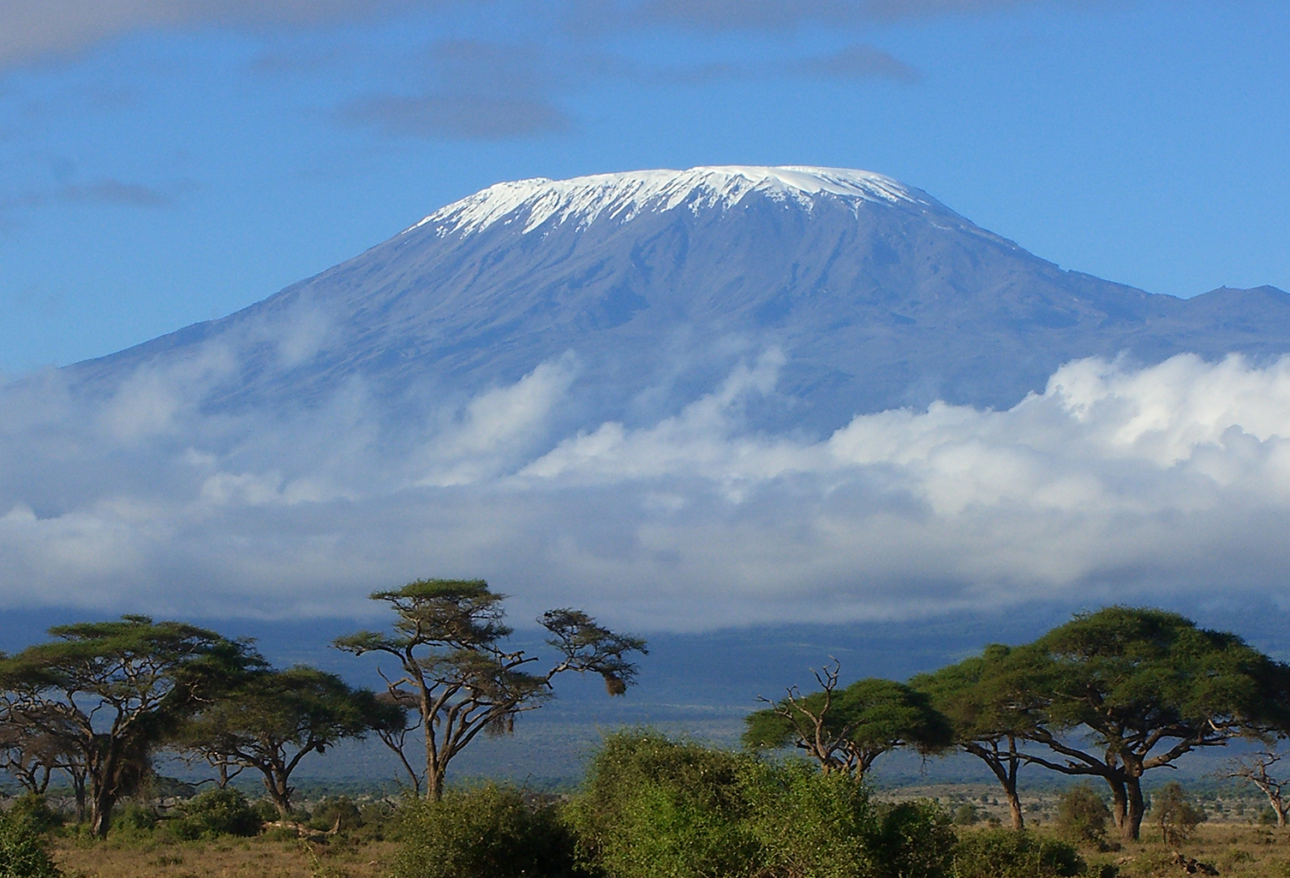
Can you see Mount Kilimanjaro from Arusha? Yes, on clear mornings, and from Moshi even more often. This page is views and the Tanzania gateway, not climb prices. For the mountain bill, use how much to climb Kilimanjaro. For location and height, see where Kilimanjaro is located and how high it rises.
This page is for views, Moshi, and Mount Meru, not climb prices. For USD costs use the Kilimanjaro climb cost guide. For a summit plus wildlife itinerary, use the climb and safari package page. Whether you are trekking Uhuru Peak, photographing elephants with Kili behind them, or pairing a climb with a Tanzania safari, understanding the mountain in context makes planning easier. Use our Tanzania map and destination guide alongside this article, then browse all trips when you are ready to build dates.
Mount Kilimanjaro Tanzania at a Glance
| Fact | Detail |
|---|---|
| Country | Tanzania (Kilimanjaro Region) |
| Summit | Uhuru Peak, 5,895 m (19,341 ft) – Africa’s highest point |
| Type | Dormant stratovolcano with three cones: Kibo, Mawenzi, Shira |
| UNESCO | Kilimanjaro National Park inscribed 1987 |
| Main gateway | Moshi town (~30-40 km south of park gates) |
| Nearest safari hub | Arusha (~70 km west of Moshi; Mount Meru sits here) |
| Typical trek length | 5-9 days on trail; 70-90+ km depending on route |
| Best clear views | Dry seasons (June-October, January-February) |
Can You See Mount Kilimanjaro From Tanzania?
Yes. On clear mornings you can see Mount Kilimanjaro from much of northern Tanzania – Moshi, parts of Arusha, the slopes of Mount Meru, and even distant viewpoints on safari routes heading toward Tarangire or the Ngorongoro highlands. The mountain is inside Tanzania; Kenya lies to the north across the border, but the classic snow-capped silhouette belongs to Tanzanian skylines.
I still remember standing on a hotel roof in Moshi before sunrise, coffee going cold in my hands, when the clouds parted and Kibo’s glacier flanks turned pink. The view completely caught me off guard even though I had seen the mountain hundreds of times. That is the thing about Kilimanjaro: familiarity does not dull the awe.
When is visibility best?
- Dry season mornings (June-October): crisp air, fewer rain clouds
- January-February: another reliable window between short rains
- After rain clears: dramatic clarity, though timing is unpredictable
- Avoid midday haze: plan viewpoints for dawn or late afternoon
Mount Kilimanjaro View From Tanzania: Best Spots
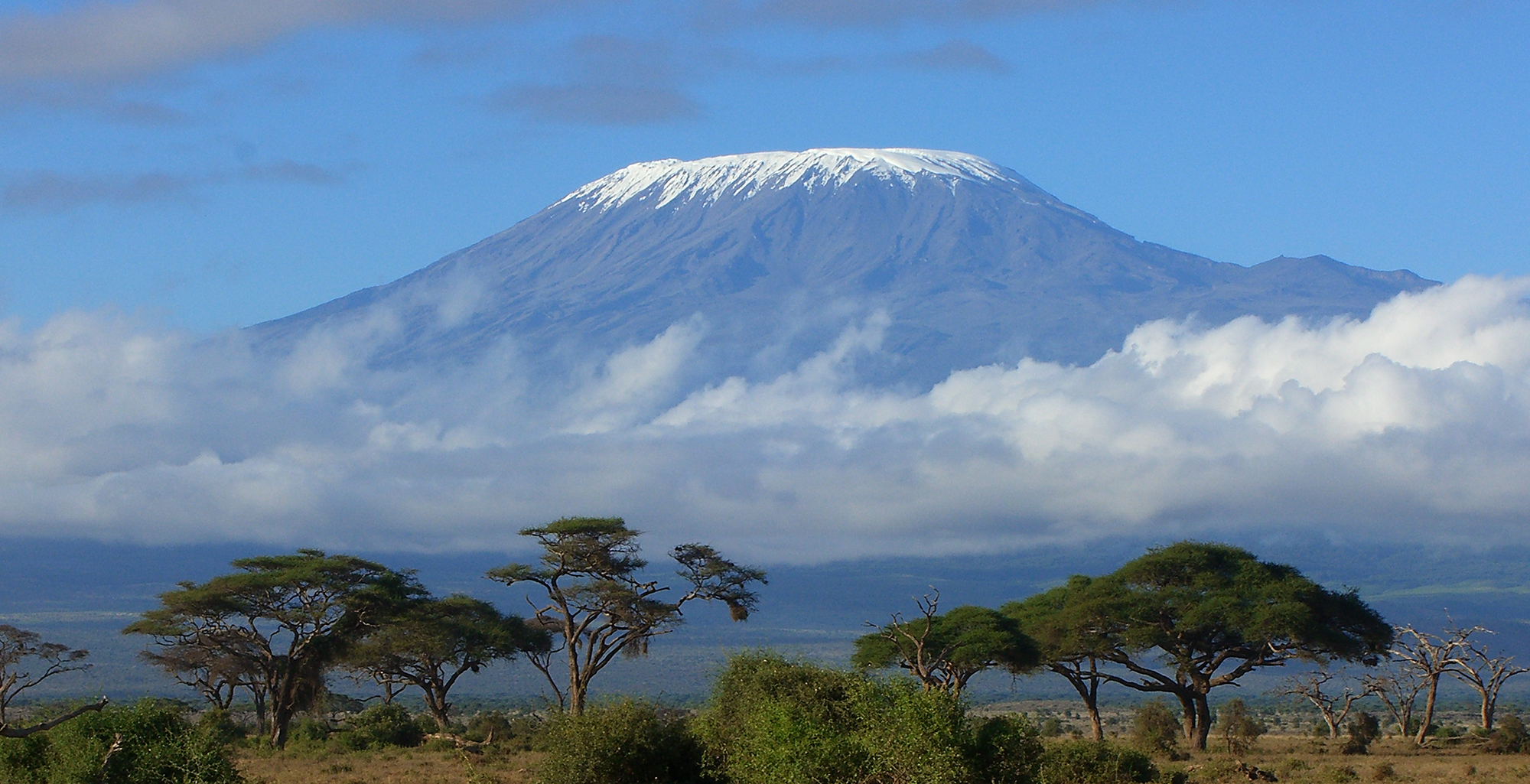
The mount kilimanjaro view from tanzania changes with altitude and angle. Moshi offers straight-on views of the summit cone. Arusha delivers wider context – Kilimanjaro floating above acacia woodland with Mount Meru in the foreground on good days. Inside Kilimanjaro National Park, trekkers see the mountain from the inside out: lava ridges, moorland, and finally the crater rim at Stella Point and Uhuru Peak.
Moshi viewpoints
Moshi’s low elevation (~800 m) means you look up at the full height of the massif. Rooftop cafes, lodges on the Mweka road, and clearings toward the park gates are local favorites. On assignment for a travel magazine years ago, I photographed porters resting with Kili behind them – that image still defines Tanzania for many readers abroad.
Arusha and Mount Meru slopes
From Arusha (~1,400 m), Kilimanjaro appears more distant but pairs beautifully with Meru. Hikers on Meru’s lower trails sometimes enjoy two-volcano panoramas rare anywhere on Earth. Our office sits in Arusha; when clients ask whether they need to stay in Moshi to see the mountain, I tell them: stay where your itinerary makes sense, but schedule at least one clear morning for a dedicated viewpoint.
Mount Kilimanjaro From Moshi: Tanzania’s Climb Gateway
Mount Kilimanjaro from Moshi is the postcard view – and the practical base camp for most expeditions. Moshi is the capital of Kilimanjaro Region, a friendly town of coffee farms, banana markets, and trekking agencies lining the main road. Kilimanjaro International Airport (JRO) sits between Arusha and Moshi, roughly 40-50 km from town depending on route, which is why many climbers land, transfer to Moshi for a briefing night, and start their trek the next morning.
What I love about Moshi is the rhythm. Porters gather gear in courtyards, guides quiz clients about headaches and hydration, and the mountain dominates every conversation. Evening street food – chips mayai, grilled maize, fresh passion juice – tastes better when Uhuru Peak glows above the clouds. If you only pass through Moshi on the way to safari, spend one night anyway. The mount kilimanjaro from moshi experience is cultural as much as visual.
Moshi vs Arusha for your trip
| Base | Best for | Distance to Kili gates |
|---|---|---|
| Moshi | Kilimanjaro treks, coffee tours, lower-budget lodges | 30-45 minutes |
| Arusha | Safari starts, Mount Meru climbs, business travel | 1.5-2 hours to Marangu/Machame |
| Both | Combo safari + trek itineraries | Operators handle transfers |
Travel Tip: Book your first night at a Moshi lodge with a rooftop or garden facing north. Set an alarm for 6:00 a.m. – clear-season sunrises are worth losing sleep.
Where Is Kilimanjaro Located? (And What Not to Confuse)
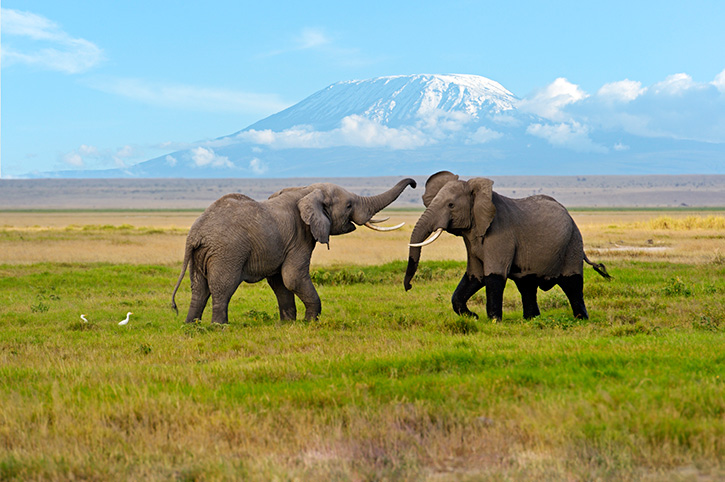
Kilimanjaro stands entirely within Tanzania, near the Kenyan border in the northeast of the country. A common mistake is assuming the mountain is in Kenya because Amboseli National Park on the Kenyan side offers famous elephant-and-Kili photos. The peak, the national park, and the summit certificate all say Tanzania.
For coordinates, park boundaries, and gate names, read our dedicated where is Mount Kilimanjaro located guide rather than repeating every map detail here. This hub focuses on how the mountain fits into your wider Tanzania trip – views, distances, and planning links you will actually use when building an itinerary.
How Far Is Mount Kilimanjaro From Tanzania’s Major Hubs?
Travelers sometimes ask how far is mount kilimanjaro from tanzania as if the mountain were outside the country. Kilimanjaro is in Tanzania – the real question is distance from airports and safari towns. From Kilimanjaro International Airport (JRO) to Moshi is about 40 km (45-60 minutes). From Moshi to Marangu or Machame gate is another 30-50 km depending on route.
Distance table from Arusha and beyond
| From | To Kilimanjaro park area | Approx. distance | Drive time |
|---|---|---|---|
| Arusha | Moshi / Marangu | ~80-90 km | 1.5-2 hours |
| Arusha | Machame gate | ~95 km | 2 hours |
| Dar es Salaam | Moshi | ~550 km | 8-10 hours road; 1 hr flight |
| Zanzibar | Moshi | flight via JRO/DAR | 1-2 hrs air + transfer |
| Serengeti (Naabi) | Moshi | ~400+ km | 7-8 hours or fly |
How far is Kilimanjaro from Arusha specifically? About 70-90 km by road to the nearest park gates, with Mount Meru sitting roughly 70 km west of Kilimanjaro’s summit as the crow flies. Many guests fly into JRO, spend a night in Arusha for safari briefings, then drive to Moshi for the climb – or the reverse after summiting.
Mount Kilimanjaro Kilometers: Park Size and Route Distances
Understanding mount kilimanjaro kilometers helps set expectations for fitness and time on trail. Kilimanjaro National Park covers roughly 1,688 square kilometers (about 652 square miles) of montane forest, moorland, alpine desert, and ice fields. Individual trekking routes differ in length and profile:
| Route | Typical days | Approx. trail distance | Character |
|---|---|---|---|
| Marangu | 5-6 | ~64 km round trip | Hut accommodation, steady ascent |
| Machame | 6-7 | ~62 km | Popular, scenic, camping |
| Lemosho | 7-8 | ~70 km | Longer acclimatization, western approach |
| Rongai | 6-7 | ~65 km | Quieter northern slope |
| Northern Circuit | 8-9 | ~90 km | Longest, best acclimatization stats |
Distances are approximate – daily stages vary by operator pacing and campsite availability. Altitude gain matters more than flat kilometers: you walk slowly, breathe thin air, and sleep higher each night. For summit elevation details, see how high Mount Kilimanjaro is.
According to TANAPA (Kilimanjaro National Park), park fees and regulations are updated periodically – confirm current rules when you book.
How Much Higher Is Mount Kilimanjaro Than Mount Kenya?
Mount Kilimanjaro’s Uhuru Peak at 5,895 meters (19,341 feet) is about 696 meters (2,285 feet) higher than Mount Kenya’s highest point, Batian, at 5,199 meters (17,057 feet). Kilimanjaro is Africa’s tallest free-standing mountain and the highest peak on the continent; Mount Kenya is the second-highest.
Climbers often compare the two because both sit in East Africa and attract technical and trekking traffic. Kilimanjaro is a non-technical walk-up on established routes (no ropes required on standard paths), while Mount Kenya’s summits demand scrambling and mountaineering skills. If your goal is the highest point in Africa with no technical climbing, Kilimanjaro in Tanzania is the answer.
Quick height comparison
| Mountain | Country | Highest summit | Elevation |
|---|---|---|---|
| Kilimanjaro (Kibo/Uhuru) | Tanzania | Uhuru Peak | 5,895 m |
| Mount Kenya | Kenya | Batian | 5,199 m |
| Mount Meru | Tanzania | Socialist Peak | 4,566 m |
| Mount Stanley (Rwenzori) | Uganda/DRC | Margherita Peak | 5,109 m |
Mount Meru: Kilimanjaro’s Neighbor Near Arusha
Mount Meru stands roughly 70 km west of Kilimanjaro near Arusha, inside Arusha National Park. At 4,566 meters, Meru is Tanzania’s second-highest peak and one of the best acclimatization climbs before a Kilimanjaro attempt. The trek typically takes 3-4 days, passes through buffalo and giraffe country at lower elevations, and delivers sunrise views of Kilimanjaro from Meru’s crater rim on clear mornings.
I recommend Meru to guests who have an extra long weekend before their Kili dates. Four days on Meru is not a casual stroll – the final ascent is steep – but your lungs thank you when you start Machame or Lemosho with red blood cells already awakened. Meru also suits travelers who want a serious mountain experience without the crowds of summit week on Kilimanjaro.
- Distance Kili to Meru: ~70 km summit to summit
- Drive Arusha to Meru gate: ~45 minutes
- Drive Moshi to Arusha: ~1.5 hours – easy to chain both mountains
- Wildlife: giraffe, buffalo, colobus monkeys on lower Meru slopes
Importance of Mount Kilimanjaro in Tanzania
The importance of mount kilimanjaro in tanzania stretches far beyond adventure tourism. Economically, Kilimanjaro supports thousands of guides, porters, cooks, and lodge staff across Moshi and surrounding villages. The trek industry is one of northern Tanzania’s largest employers outside safari parks. Culturally, the mountain appears on art, textiles, and national branding – it is a symbol of Tanzanian identity recognized worldwide.
Economic and community impact
Responsible operators pay fair wages, provide gear, and fund community projects – schools, water tanks, reforestation. When you climb, tip your crew generously and choose companies with transparent porter welfare policies. The Kilimanjaro Porters Assistance Project and similar groups have pushed the industry toward better standards; ask your agency how they comply before you sign.
Environment and UNESCO status
Kilimanjaro National Park is a UNESCO World Heritage Site. Its glaciers have retreated dramatically over the past century – a visible climate change signal scientists document globally. Protecting the montane forests and alpine zones matters for water supply to surrounding communities and for biodiversity found nowhere else at these elevations on the equator.
For many Tanzanians who never climb, Kilimanjaro still means pride. I have heard Chagga elders describe the mountain as the house of God – respect on trail is not optional. Stick to marked paths, pack out waste, and treat porters and park rangers as the professionals they are.
Planning Your Mount Kilimanjaro Tanzania Trip
Most international visitors need 7-10 days on the ground for a standard climb plus travel buffers. Add 3-5 days if you combine with a northern circuit safari. Best climbing seasons overlap with prime safari months: June through October and January through February. March-May long rains and November short rains bring mud, cloud, and lower summit success rates – though the mountain is open year-round for experienced teams.
Suggested 12-day safari and Kilimanjaro combo
| Day | Activity | Base |
|---|---|---|
| 1 | Arrive JRO, transfer, briefing | Arusha or Moshi |
| 2-3 | Tarangire or Lake Manyara safari | Karatu / park lodges |
| 4 | Ngorongoro Crater | Karatu |
| 5 | Transfer to Moshi, gear check | Moshi |
| 6-11 | Kilimanjaro trek (Machame or Lemosho) | Mountain camps |
| 12 | Rest, celebrate, depart JRO | Moshi / JRO |
Want help sequencing parks and climb dates? Explore our Tanzania safari tours guide and all trips – we build custom combos from Arusha daily.
Safety, Health, and Travel Practicalities
Altitude sickness is the main risk on Kilimanjaro, not wildlife. Choose longer routes for better acclimatization, drink 3-4 liters of water daily, and never ignore headache plus nausea above 3,500 m. General Tanzania travel safety – cities, roads, health prep – is covered in our Tanzania safety guide for travelers.
- Travel insurance: must cover evacuation above 6,000 m
- Visa: check current Tanzania e-visa rules before departure
- Vaccines: consult a travel clinic; yellow fever rules depend on origin
- Gear: rent down jackets and poles in Moshi to save luggage weight
- Tipping: budget $200-300 USD per climber for the full crew on a 6-day trek
Travel Tip: Use our interactive Tanzania map to visualize how JRO, Moshi, Arusha, and the northern parks connect before you lock flights.
What I Loved Most About Kilimanjaro Country
My favorite moment is not always the summit. It is the first morning in Moshi when the clouds lift and the mountain appears – enormous, silent, indifferent to your plans. I have guided friends to Uhuru and watched them cry at Stella Point; I have also sat with travelers who turned back at 4,800 m and still called the trip life-changing because the forests and moorland taught them something about pace and humility.
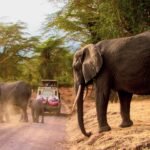
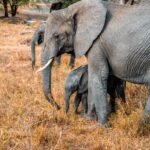
The second favorite moment is pairing Kilimanjaro with safari. After a week of thin air, dropping into the Serengeti grasslands feels like breathing in color. Elephants, lions, and that impossible volcano on the horizon – Tanzania compresses the world’s scale into one itinerary. I couldn’t stop smiling the first time I saw both in a single trip.
My Honest Experience
What exceeded my expectations: how accessible Kilimanjaro feels from Moshi. You are not expedition-remote; you can order pizza the night before summit day. What surprised me: weather variability. Clear views can vanish in an hour; summit night can be perfect while base town is socked in. What travelers should know: the climb is mental as much as physical. Train with long hikes carrying weight, but also practice patience – pole pole (slowly slowly) is serious advice, not a souvenir slogan.
Who is this for? Fit beginners with preparation, experienced hikers, and anyone willing to accept that summit success is never guaranteed. Who should wait? People with uncontrolled heart or lung conditions, or those unwilling to budget enough days for acclimatization. Kilimanjaro is welcoming but not casual.
Ready to See Mount Kilimanjaro Tanzania for Yourself?
Mount Kilimanjaro Tanzania is more than a tick on a bucket list. It is the skyline above Moshi, the employer behind thousands of families, the backdrop to elephant photographs, and – if you choose – the highest point you may ever stand. Start with location and height in our cluster guides, study the map, read safety basics, then let us help you stitch trek and safari into one coherent plan.
Contact us for a custom Kilimanjaro and safari itinerary, or browse all trips to see what is running in your month. The mountain will still be there tomorrow – but clear mornings do not wait.
Frequently Asked Questions
Yes. On clear days you can see Mount Kilimanjaro from Moshi, parts of Arusha, Mount Meru slopes, and many northern Tanzania viewpoints. The mountain lies entirely within Tanzania near the Kenyan border.
Kilimanjaro is in northeast Tanzania, Kilimanjaro Region, near the town of Moshi and the Kenyan border. Kilimanjaro National Park surrounds the three volcanic cones, with Kibo holding Uhuru Peak at 5,895 meters.
From Arusha to Moshi is about 80-90 km (1.5-2 hours by road). Park gates such as Marangu and Machame are another 30-50 km from Moshi. Mount Meru near Arusha sits roughly 70 km west of Kilimanjaro.
Kilimanjaro’s Uhuru Peak is 5,895 m, about 696 m higher than Mount Kenya’s Batian at 5,199 m. Kilimanjaro is Africa’s highest peak and a non-technical trek on standard routes; Mount Kenya requires technical climbing skills.
Mount Meru is a 4,566 m stratovolcano in Arusha National Park, about 70 km from Kilimanjaro. It is Tanzania’s second-highest peak and a popular 3-4 day acclimatization climb before Kilimanjaro with wildlife on the lower slopes.
Kilimanjaro drives tourism employment for guides and porters, symbolizes national identity, and anchors a UNESCO World Heritage national park. Its forests supply water to surrounding communities and its shrinking glaciers are a global climate benchmark.
Planning Serengeti wildlife into your Tanzania trip? See our Serengeti wildlife guide and Serengeti wildlife gallery for species profiles and photos from the bush.
Last updated: June 2026. Park fees, route regulations, and flight schedules change – confirm details when you book.
Written by the Zamadam Adventure Team, Arusha, Tanzania.