What should you know about culture in Tanzania before your first safari? After fifteen years guiding travelers from our Arusha office, I can tell you the wildlife gets the headlines, but the people are what guests talk about on the flight home. Tanzania is not one culture – it is 120-plus ethnic communities, Swahili as a shared language, Maasai herders on the crater rim, Chagga farmers on Kilimanjaro slopes, and market vendors in Stone Town who negotiate with a smile. This national culture Tanzania guide covers what safari travelers actually encounter: Maasai culture, Swahili in Tanzania, and practical cultural etiquette on safari so you arrive curious, not clumsy.
If you are still mapping your route, start with our Tanzania map and the pillar Tanzania safari tours guide. For Arusha-specific village days, see our Arusha cultural day tours page – this article is the wider national picture.
Culture Tanzania at a Glance
Tanzanian culture blends Bantu, Nilotic, and Cushitic heritage with Arab, Indian, and European influences along the coast. Swahili (Kiswahili) unites the country as the national language, while English is widely used in tourism, government, and secondary education. On safari you will hear both every day – your guide switching between Swahili with rangers and English with you, often in the same sentence.
- Population: roughly 67 million people across mainland Tanzania and Zanzibar
- Ethnic groups: 120+ recognized communities; no single dominant tribe nationally
- Languages: Swahili (official), English (official), plus local languages in every region
- Religion: roughly one-third Christian, one-third Muslim, one-third indigenous and mixed traditions – often coexisting peacefully in the same town
- Safari regions: Maasai and Datoga near Ngorongoro; Iraqw and Mbulu in the highlands; Sukuma around Lake Victoria
What Is Tanzanian Culture?
Tanzanian culture is the daily rhythm of hospitality, community, and respect for land that you feel from Kilimanjaro Airport to a Serengeti sundowner. It is elders greeted before younger people speak, shared meals eaten with the right hand in many homes, and the unhurried pace of “pole pole” (slowly, gently) that frustrates rushed travelers until they realize it is wisdom, not laziness. The country was formed in 1964 when Tanganyika and Zanzibar united; Julius Nyerere’s vision of ujamaa (familyhood) still shapes how many Tanzanians think about community obligation.
What surprised me on my first month in Arusha was how openly people discuss tribe without the tension I expected from other countries. A Chagga guide might joke with a Maasai colleague about cattle versus coffee, but both identify first as Tanzanian. That national pride – especially around the national football team, Taifa Stars – is something visitors notice quickly.
How culture differs from coast to bush
Stone Town in Zanzibar feels Arab-influenced: carved doors, muezzin calls, spice markets heavy with clove and cinnamon. Arusha and the northern safari circuit feel more East African highland – cooler air, coffee culture, Lutheran and Catholic church spires beside mosques. The southern parks and western Tanzania are less visited and feel even more local. None of this replaces your safari; it deepens it when you step beyond the lodge gate.

Swahili Tanzania: Language That Opens Doors
Swahili in Tanzania is more than a phrasebook exercise. It is how you turn a transactional tip into a human moment. Say asante sana (thank you very much) to a camp steward and watch their face change. Try habari za asubuhi (good morning news) with your driver before the first game drive and you have started the day as a guest, not a package tourist.
Our full Swahili phrasebook for travelers covers pronunciation and context. Here are the essentials I teach every group in the Land Cruiser before we leave Arusha:
| Swahili | Meaning | When to use it |
|---|---|---|
| Jambo / Habari | Hello / What’s the news? | Greeting anyone; habari is more natural with locals |
| Asante (sana) | Thank you (very much) | After any service, everywhere |
| Karibu | Welcome / You’re welcome | Response to thanks; also “please come in” |
| Pole pole | Slowly / gently | Hiking, crowded markets, life philosophy |
| Sawa sawa | OK / all good | Agreement, settling a plan |
| Tafadhali | Please | Requests, markets, restaurants |
| Samahani | Excuse me / sorry | Getting attention, minor apologies |
| Hakuna matata | No worries | Yes, locals say it – with a grin |
Travel Tip: Tanzanians rarely expect fluent Swahili from visitors. A few words spoken with effort matter more than perfect grammar. Avoid shouting English slowly – learn three greetings instead.
Maasai Culture on Safari: What You Will Actually See
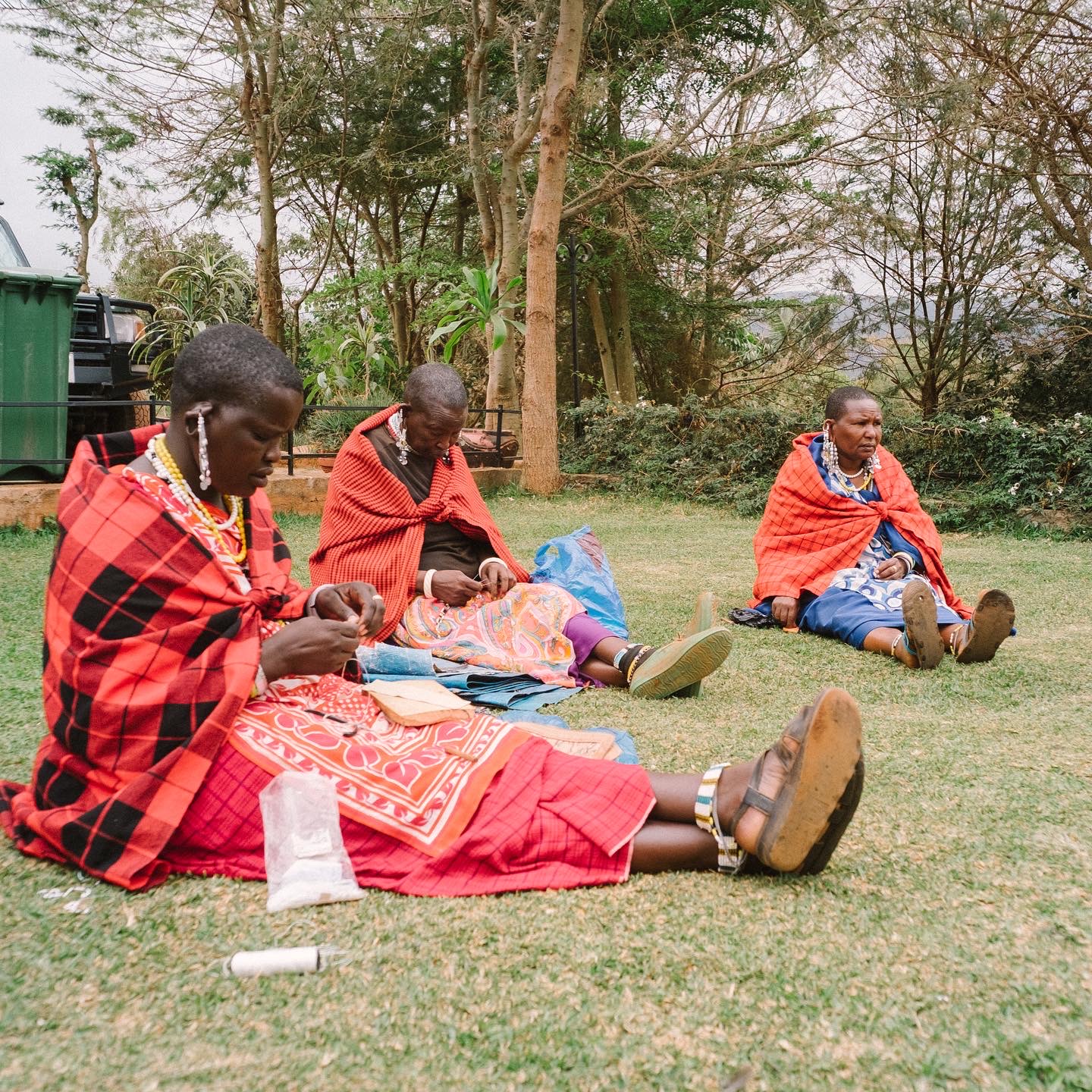
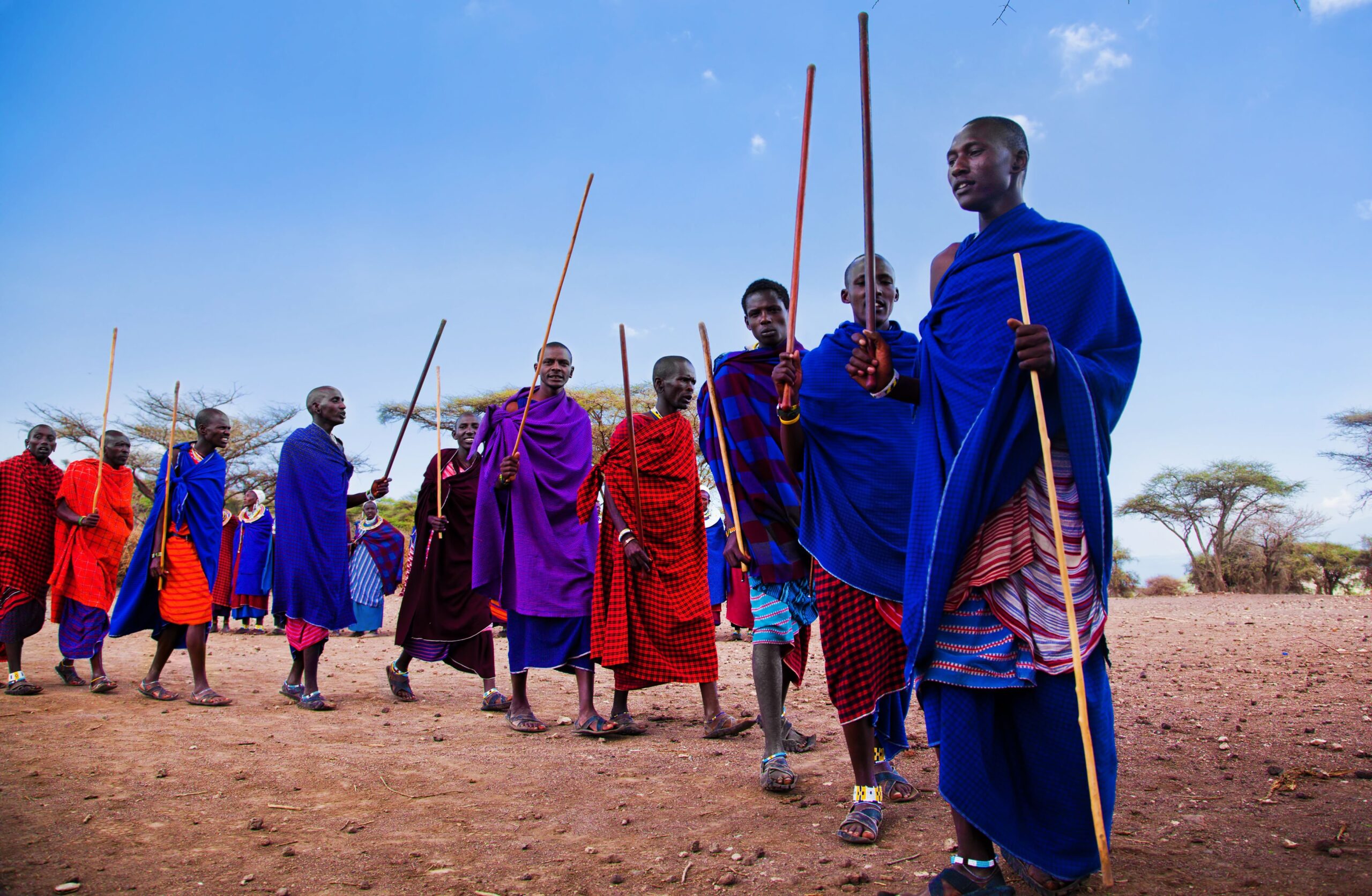
Maasai culture on safari is visible long before any staged village visit. You will see scarlet shukas (cloth wraps) on young herders guiding cattle beside the road to Ngorongoro. You will pass bomas – thorn-enclosed homesteads – in the conservation area where Maasai still graze livestock alongside wildlife under a unique multiple-land-use arrangement managed with the Ngorongoro Conservation Area Authority.
The Maasai are a Nilotic people whose traditional economy centers on cattle, goats, and sheep. Cattle represent wealth, status, and connection to Enkai (God). Jumping dances (adumu), beadwork color codes, and age-set ceremonies remain living traditions, though many Maasai also work as guides, rangers, and lodge staff today. I still remember watching a Maasai guide name every bird on a Ngorongoro crater floor drive – breaking every stereotype guests arrived with.
Maasai village visits: respectful participation
Organized Maasai village tours near Ngorongoro and Lake Manyara range from authentic community partnerships to performative stops. Ask your operator who receives the fee and whether photography rules are explained upfront. Good visits include conversation, not just dancing for tips. You are welcome to ask questions through your guide; avoid treating people like photo props.
- Do: ask before photographing faces; buy beadwork directly if you want souvenirs
- Do: dress modestly; listen when elders speak first
- Don’t: enter a boma uninvited or touch ceremonial items without permission
- Don’t: assume every Maasai person you meet lives traditionally – many are urban professionals
Beyond the Maasai: Other Cultures on the Northern Circuit
Culture in Tanzania is not only Maasai culture. The Iraqw and Mbulu people farm the fertile highlands between Karatu and Lake Manyara. The Chagga dominate Kilimanjaro’s slopes with banana-coffee shamba plots and intricate underground irrigation (furrows) you can visit on a Materuni waterfall day trip. Near Tarangire, Datoga metalworkers and Hadzabe hunter-gatherers (in limited, sensitive tour formats) represent some of Tanzania’s oldest lifeways.
Mto wa Mbu, the village between Lake Manyara and Ngorongoro, is a cultural crossroads where dozens of ethnic groups settled over generations. A half-day walking tour there samples banana beer, rice paddies, and local lunch – one of my favorite low-key cultural stops because it feels like a real town, not a set.
Religion, Greetings, and Daily Social Rules
Tanzania is broadly tolerant. Christian, Muslim, and traditional believers often share neighborhoods. During Ramadan, avoid eating or drinking conspicuously in front of fasting hosts. Remove shoes when entering a home if others do. Greetings are not optional – skipping “hello” and jumping to business feels rude.
The handshake is softer and longer than in North America or Europe. Many Muslim women prefer not to shake hands with unrelated men; wait for them to extend a hand or place your right hand over your heart instead. LGBTQ+ travelers should know that same-sex relations are criminalized on paper; public discretion is advised despite warm individual interactions in tourism settings.
Tanzanian Food Culture on Safari
Safari lodge food is often international – grilled meat, pasta, salad bars – but Tanzanian flavors appear if you seek them. Nyama choma (grilled meat), ugali (maize porridge staple), pilau spiced rice, chapati, and mishkaki (skewers) show up at bush camps and Arusha restaurants. Zanzibar adds coconut curries and seafood biriyani.
Try a cup of Tanzanian arabica coffee in Arusha before your drive. The beans from Kilimanjaro and Arusha regions are excellent and buying from cooperative roasters supports farmers directly. I couldn’t stop smiling the first time a guest realized the “instant coffee” they feared was freshly ground local arabica served French press style at camp.
Cultural Etiquette Safari Travelers Should Know
Cultural etiquette on safari comes down to respect for people, wildlife, and the fact that you are a guest in someone’s country – not a reviewer inspecting a theme park. Guides buffer most interactions, but your behavior still shapes how locals perceive all travelers.
Photography and consent
Always ask before photographing people, especially children. A nod or verbal “photo?” is enough. In markets, some vendors expect a small purchase if you take close-ups of their stall. Drones are restricted in national parks and many communities; leave them in your bag unless you have written permission.
Gift giving and charity
Do not hand candy, pens, or money to children along roadsides – it encourages begging and disrupts schooling. If you want to give back, support vetted schools, health clinics, or conservation projects your operator recommends. We publish vetted partners; contact us if you want to contribute responsibly before or after your trip.
Dress Code on Safari and in Town
The dress code on safari is practical in the bush and modest in towns. Neutral colors (khaki, olive, tan) help with dust and wildlife viewing. In villages, markets, mosques, and churches, cover shoulders and knees. Women do not need headscarves except inside active mosques (scarves are often provided).
Lodge dinners are smart casual – a clean shirt or casual dress is enough. Swimwear stays at the pool. The Serengeti safari packing list covers color rules (avoid bright white and neon on drives) in detail. Packing one light scarf solves most modesty transitions from camp to culture day.
Markets, Bargaining, and Money Manners
Bargaining is normal at craft markets (Mwenge in Dar es Salaam, Maasai markets in Arusha) but not in supermarkets or labeled-price shops. Start friendly, offer a reasonable counter, and meet in the middle. Walking away is acceptable; insulting the price is not.
USD is widely accepted on safari for tips and souvenirs, but carry smaller bills (ones, fives, tens) printed after 2006 – older notes are often refused. Tanzanian shillings are better for local food and small purchases. For safety context while carrying cash, see our Tanzania safari safety guide.
Cultural Tours in Tanzania: National Options vs Arusha Day Trips
Cultural tours in Tanzania range from two-hour market walks to multi-day tribal route itineraries. On the northern circuit, popular options include Maasai boma visits, Mto wa Mbu village walks, Hadzabe morning hunts (controversial – choose ethical operators), Iraqw pottery experiences, and Chagga homestead lunches on Kilimanjaro’s lower slopes.
Our Arusha cultural day tours focus on experiences within an hour of the city – perfect before or after your safari. This national guide situates those days inside the wider story: Tanzania is the size of Texas and California combined, and coastal Swahili culture in Bagamoyo or the Udzungwa foothills tells a different chapter than Ngorongoro Maasai life.
Want a culture day woven into wildlife? Browse all our Tanzania trips – many combine Tarangire or Lake Manyara with an afternoon village visit so you do not sacrifice a park day.
Tipping Customs in Tanzania: Safari and Culture Days
Tipping customs in Tanzania reward service workers whose base wages are low. On safari, tip your guide, cook, and camp crew separately at the end of the trip – USD 10-20 per guest per day for guides is common on mid-range trips; lodges often publish suggested amounts. For a cultural day tour, tip your local guide if not included – $10-15 per group is appreciated.
Restaurant tips of 5-10% are optional in tourist areas. Porters at airports and hotels expect $1-2 per bag. Always tip in person when possible and use crisp bills. Your main safari operator can clarify what is already included so you do not double-pay.
Safari Camp Culture: What Happens After the Game Drive
Safari camp culture has its own rituals: the sundowner drink on the hood, the shared long-table dinner where guests swap lion stories, the 5:30 a.m. knock with hot water before dawn drives. Staff often come from nearby communities; learning a few names transforms the experience from luxury hotel to hosted stay.
Quiet hours matter in tented camps – thin walls carry sound. Wi-Fi is intentionally limited in remote camps; embrace it as part of disconnecting. Ask before using speakers or making loud phone calls on the deck. Rangers and guides deserve your full attention during briefings – park rules from TANAPA exist to protect wildlife and communities alike.
Suggested Culture and Safari Itinerary
How many days do you need to experience culture in Tanzania without skipping wildlife? Most first-timers do well with one dedicated culture day plus natural encounters along the route.
| Day | Location | Cultural highlight |
|---|---|---|
| 1 | Arusha | Arrival, coffee tasting, market orientation |
| 2 | Arusha region | Full cultural day tour (Maasai or Meru village) |
| 3-4 | Tarangire / Manyara | Mto wa Mbu walk between game drives |
| 5 | Ngorongoro | Crater drive; Maasai boma visit en route |
| 6-7 | Serengeti | Wildlife focus; evening camp cultural exchange |
| 8 | Arusha or Zanzibar | Stone Town walking tour if beach extension |
What I Loved Most About Tanzania’s Living Culture
My favorite moment is always the same type of scene, different faces: a guest who was nervous about “Africa” laughing with a camp cook while learning to roll chapati before breakfast. No lion required. The cook teases gently; the guest relaxes; someone takes a photo with permission and it hangs on a fridge in Wisconsin for years.
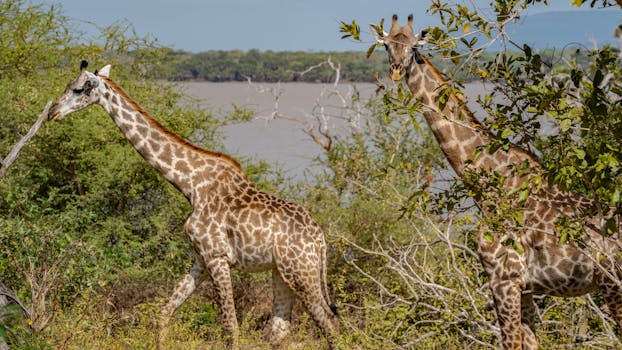
I also love how Tanzanians narrate landscape. A guide does not just point at a giraffe – he tells you which clan owns the ridge, which drought his father remembers, which school the tracker sends his daughter to. That storytelling layer is culture in Tanzania at its best: land, family, and future braided together.
My Honest Experience: Culture Tanzania Expectations vs Reality
What exceeded my expectations: warmth without performance. Tanzanians are genuinely curious about where you are from. What surprised me: how modern the cities are – Arusha has coworking spaces and craft breweries beside mud-brick villages an hour away. What travelers should know: not every “cultural tour” is equal. Ask hard questions about where money goes and whether visits interrupt real work or school.
Who is this depth of cultural travel best for? Curious travelers willing to slow down one afternoon. If you only want checkbox photos, skip village days and tip your team well instead. If you want conversations you will retell for decades, build at least one culture Tanzania experience into your safari – and read UNESCO’s overview of Tanzania’s World Heritage sites to understand how deep history runs here.
Conservation, Communities, and Responsible Tourism
Culture and conservation intersect sharply in Ngorongoro, where Maasai pastoral rights coexist with UNESCO-listed landscapes. The Ngorongoro Conservation Area Authority manages a model that is debated but undeniably unique – humans and wildlife sharing grassland. Your park fees fund protection; choosing licensed operators ensures compliance with revenue-sharing rules.
Learn basic rules before you go: stay in the vehicle except at designated spots, never feed animals, and respect speed limits. Cultural respect and environmental respect are the same habit – paying attention.
Frequently Asked Questions
Tanzanian culture is the blend of 120-plus ethnic traditions united by Swahili language, shared national identity, and strong community values. On safari you encounter Maasai pastoralism, highland farming cultures, coastal Swahili Islam, and modern urban life in cities like Arusha and Dar es Salaam.
Maasai people are cattle-herding pastoralists closely associated with the Ngorongoro and Serengeti region. You may see bomas, traditional dress, and cultural visits – always choose ethical operators, ask before photographing, and remember many Maasai also work as professional guides and lodge staff today.
Start with habari (hello), asante sana (thank you very much), karibu (welcome), pole pole (slowly), and tafadhali (please). Tanzanians appreciate any effort to speak Swahili. Our full phrasebook covers pronunciation, numbers, and safari-specific vocabulary.
Yes. Popular options include Maasai village visits, Mto wa Mbu walking tours, Chagga homestead experiences on Kilimanjaro slopes, and Arusha day tours. Combine a culture morning with an afternoon game drive to balance wildlife and community time.
Wear neutral, breathable layers in the bush. In villages, markets, and religious sites, cover shoulders and knees. Lodge dinners are smart casual. Pack a light scarf for quick modesty when transitioning from camp to cultural visits.
Tip safari guides $10-20 USD per guest per day at trip end, plus camp crew and cooks as a pooled amount. Cultural day guides appreciate $10-15 per group. Use crisp USD or shillings, tip in person, and confirm what your package already includes.
Plan Your Culture-Rich Tanzania Safari
Culture in Tanzania is not a sideshow to wildlife – it is half the reason the country stays with you. Learn a handful of Swahili greetings, choose village visits that pay communities fairly, dress with respect, and tip the people who make your trip run. From our Arusha team we see it weekly: travelers who engage even briefly come home as ambassadors, not just photographers.
Ready to build culture into your route? Explore all Tanzania trips, read the complete safari tours guide, or contact us for a custom itinerary that balances Serengeti lions with Maasai homestays and market mornings. We will meet you in Arusha with karibu and a plan.
Last updated: June 2026. Zamadam Adventure is an Arusha-based safari operator serving international travelers on the northern circuit and beyond.
Planning Serengeti wildlife into your Tanzania trip? See our Serengeti wildlife guide and Serengeti wildlife gallery for species profiles and photos from the bush.