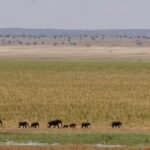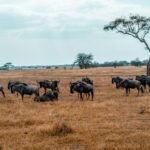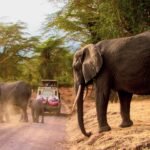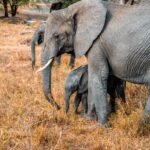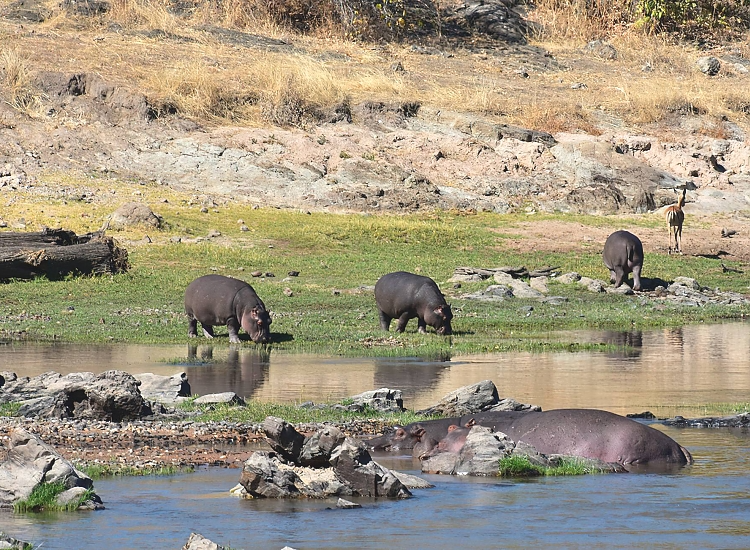
A southern Tanzania safari is Ruaha, Nyerere (formerly Selous), and often Mikumi: fewer vehicles than the Northern Circuit, wilder pacing, and strong game without Serengeti crowds. Experienced travellers pick this circuit when they want space more than a packed crater viewpoint.
Planning a southern Tanzania safari? Request a travel proposal from our Arusha team. Also compare the Southern Circuit destination page and our Tanzania safari tours guide.
What is a southern Tanzania safari?
Southern Tanzania safari usually means the Southern Circuit parks south and southwest of Dar es Salaam and Iringa: Ruaha National Park, Nyerere National Park (ex-Selous), and often Mikumi National Park. Compared with Serengeti and Ngorongoro, you meet fewer tourist vehicles and more wilderness pacing.
Best parks for southern Tanzania safari
Ruaha National Park
Ruaha is Tanzania’s largest national park and a predator stronghold. Expect elephants, lions, leopards, wild dogs in season, and dramatic baobab landscapes along the Great Ruaha River. Ideal for travelers who want photography and quieter camps.
Nyerere National Park (Selous)
Nyerere is famous for boat safaris on the Rufiji River, plus walking safaris and game drives. Hippos, crocodiles, elephants, and birds are highlights. It pairs well with a beach extension on the Tanzanian coast or Zanzibar.
Mikumi National Park
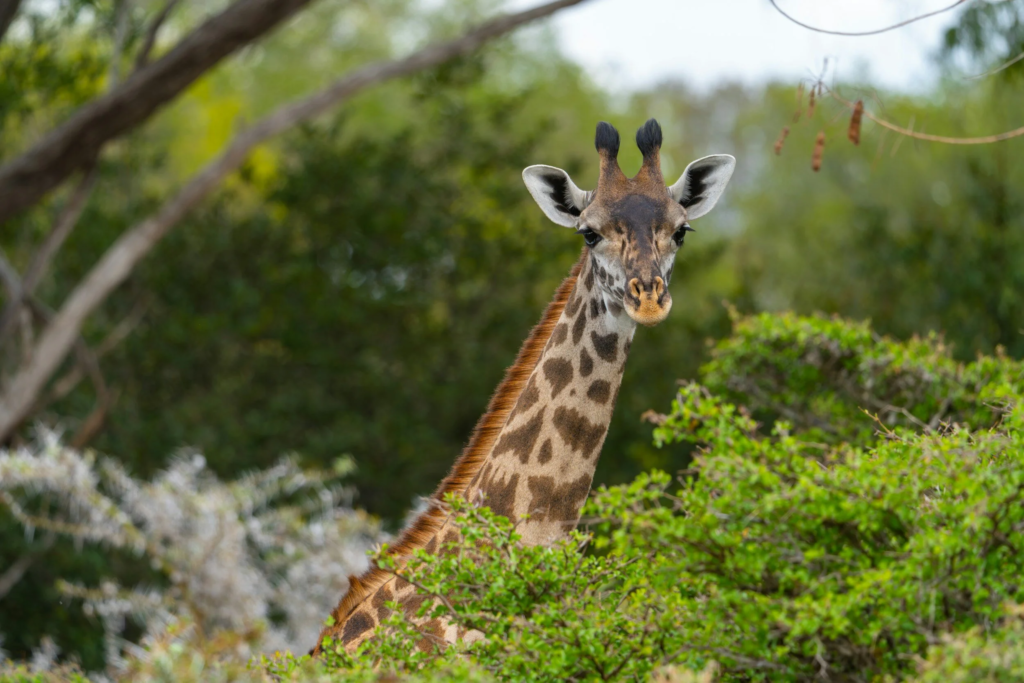
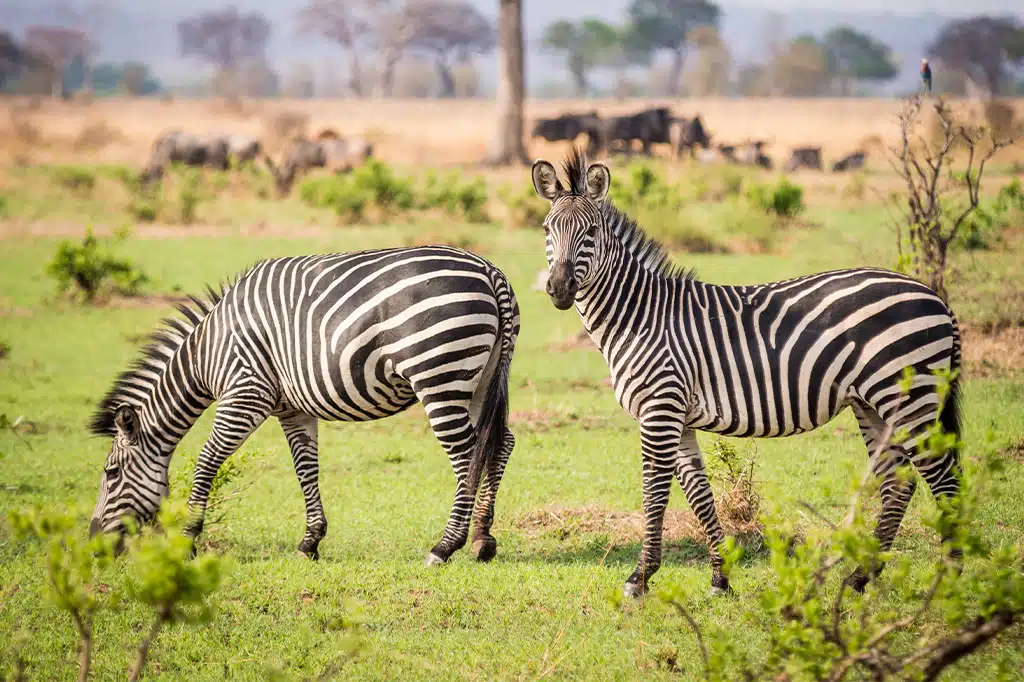
Mikumi is the easiest southern park to reach from Dar es Salaam and a good short safari stop. Open plains, giraffes, zebras, elephants, and lions make it a practical first southern Tanzania safari for limited days.
Southern vs Northern Circuit
- Northern Circuit (Serengeti, Ngorongoro, Manyara/Tarangire): easier logistics from Arusha, migration options, more visitors.
- Southern Circuit (Ruaha, Nyerere, Mikumi): fewer crowds, more flying between parks, wilder feel, excellent for second-time safari guests.
Many guests combine both circuits over 12-16 days. If you only have one week, Northern is usually simpler; with 8-12 days and a higher budget, southern Tanzania safari routes shine.
How many days for southern Tanzania?
- 4-5 days: Mikumi + short Nyerere, or focused Ruaha fly-in.
- 7-8 days: Ruaha + Nyerere classic southern Tanzania safari.
- 10-12 days: Southern parks plus Zanzibar beach, or Southern + Northern combo.
Best time for southern Tanzania safari
The dry season (roughly June-October) concentrates wildlife near rivers and improves road access. Green season offers lush scenery and lower rates, but some camps close and roads can be muddy. Ask us for current camp calendars before you book.
Cost basics
Southern Tanzania safari pricing depends on flying vs road access, lodge tier, and season. Fly-in Ruaha or Nyerere itineraries cost more than Mikumi road trips but save long transfers. For Northern Circuit pricing context, see our Serengeti safari cost guide, then request a southern quote matched to your dates.
Sample southern Tanzania safari ideas
- 5 days: Dar/Mikumi + Nyerere boat safari
- 8 days: Fly Arusha/Dar to Ruaha, then Nyerere, beach optional
- 12 days: Serengeti Northern Circuit + southern Tanzania safari extension
How to reach Ruaha, Nyerere and Mikumi
Unlike the Northern Circuit from Arusha, a southern Tanzania safari usually starts in Dar es Salaam or uses short flights between parks. Mikumi is the easiest by road (about 4-5 hours from Dar). Nyerere (Selous) and Ruaha are fly-in parks for most travelers – light aircraft from Dar or between airstrips saves long, rough transfers.
- Mikumi: road from Dar or short flight
- Nyerere: fly to Mtemere or Matambwe airstrips
- Ruaha: fly Dar or connect via Iringa to Msembe
Wildlife: what a southern Tanzania safari delivers
Ruaha is a predator and elephant stronghold – lions, leopards, and wild dog when packs are active. Nyerere adds Rufiji boat safaris with hippos, crocodiles, and fish eagles. Mikumi’s Mkata Plain gives classic open-savanna game close to Dar. You will not see the Great Migration here, but you trade crowds for wilderness – ideal for a second safari or a south Tanzania safari focused on quiet game viewing.
Southern Tanzania safari vs Serengeti
Choose the north for migration, Ngorongoro Crater density, and simpler logistics from Arusha. Choose a southern Tanzania safari for fewer vehicles, boat and walking options, and a wilder pace. Many repeat visitors do north first, then south. Our Tanzania safari tours guide compares both circuits.
More southern Tanzania safari FAQs
Is south Tanzania safari good for first-timers? Yes if you accept fly-in logistics and slightly higher daily costs. First-time visitors with one week often start north; with 8+ days, the south rewards you.
What about safaris to southern Tanzania from Arusha? We plan full itineraries from Arusha – usually flying to Ruaha or Dar first. See our Arusha safari gateway guide.
Frequently asked questions
Is southern Tanzania safari worth it?
Yes if you want fewer vehicles and a wilder feel. Ruaha and Nyerere deliver serious wildlife without Serengeti traffic.
Is southern Tanzania safer or harder to visit?
Logistics are different, not harder for a guided trip. Most visitors fly between parks. Read our Tanzania safari safety guide for general travel advice.
Can I combine southern Tanzania with Zanzibar?
Yes. Nyerere + Zanzibar is a natural bush-to-beach pair. See our safari and beach itinerary.
Plan your trip next
- Southern Circuit destination overview
- 7-day Northern Circuit itinerary
- Browse all Tanzania safari trips
- Request a travel proposal for a southern Tanzania safari
What a southern Tanzania safari feels like
Southern Tanzania safari country is quieter than the northern circuit postcard trail. In my experience the first morning in Ruaha feels like someone turned the volume down on other vehicles and turned the volume up on wilderness. You earn sightings with time, not with a traffic jam of Land Cruisers.
I still remember a dry-season afternoon when a lion pride walked a sandy riverbed like it owned the calendar. No crowd. No radio chatter from ten other cars. That privacy is the southern product.
Ruaha, Nyerere, and Mikumi compared in plain language
Ruaha is vast and raw, famous for elephants, predators, and baobab landscapes. Nyerere (formerly Selous) brings river systems, boat potential, and big wilderness scale. Mikumi is the more accessible road safari option closer to Dar corridors. What I did not know early on was how often travelers treat the south as one park. It is three moods.
When to choose Ruaha
Choose Ruaha when you want fly-in drama, serious predator potential, and space. It rewards three or more nights. Looking back, Ruaha guests who stay longer stop asking whether southern Tanzania safari was worth the flight.
When to choose Nyerere
Choose Nyerere for riverine game viewing and a mix of drives plus boat outings where offered. It suits travelers who like water in the story, not only dusty tracks.
When Mikumi makes sense
Mikumi can work for tighter schedules or as a gateway chapter. It is not a Ruaha substitute, but it can be a practical southern Tanzania safari start when time is short.
Southern vs northern circuit – honest tradeoffs
Northern wins for classic first-timer density: Tarangire, Manyara, Ngorongoro, Serengeti from Arusha. Southern wins for fewer vehicles and a wilder feel. Cost and logistics differ because fly-ins are common in the south. Compare with our 7 day northern circuit guide and Tanzania safari cost before you decide.
Best time for southern parks
Dry months usually concentrate wildlife near water and ease road conditions. Green season brings dramatic skies and birdlife with more dispersed game. Cross-check month goals in best time for a Tanzania safari.
How many days you need in the south
Four to six nights is a fair southern Tanzania safari start if flying between camps. One night parks rarely work here because transfers eat the day. In my experience the south punishes rushed itineraries more than the north does.
Bush to beach from the southern circuit
Southern parks pair cleanly with Zanzibar when flights are planned with margin. Read our safari and beach itinerary for pacing after wild days.
Mistakes that waste a southern trip
- Under-budgeting flights between remote camps.
- Copying a northern one-night hop pattern onto Ruaha.
- Expecting Serengeti-style vehicle density and feeling disappointed by quiet.
- Skipping recovery before a long international departure.
How we design southern Tanzania safari proposals
We start with nights available, fly-in comfort, and whether you also want northern icons. Looking back, the best southern trips are edited – fewer camps, deeper stays. Tell us your dates via contact us.
Sample southern Tanzania safari shapes
Five nights Ruaha fly-in. Or three Nyerere plus two Ruaha if flights align. Or Mikumi road nights plus a deeper fly-in park when budget splits. In my experience the winning southern Tanzania safari shape has fewer camps and longer stays than northern first-timer routes.
Wildlife expectations without overselling
Elephants, lions, buffalo, giraffe, and rich birdlife are realistic goals. Wild dog sightings are thrilling when they happen, not guaranteed. Hippos and crocs feature strongly around river systems. What I did not know before guiding expectations was how much quiet time between sightings is part of the southern charm – bring patience, not only a checklist.
Cost notes for the south
Light-aircraft seats, remote camp rates, and park fees stack differently than an Arusha road safari. Ask for flight lines itemized. Looking back, sticker shock usually comes from hidden hops, not from the game drives themselves. Use the national cost guide, then request a southern-specific quote.
Packing and practical prep
Soft bags matter for bush flights. Neutral clothing, binoculars, sunscreen, and insect awareness still apply. Cross-check the Tanzania safari packing list and confirm luggage weight limits before you buy a hard suitcase you cannot fly with.
Who the south suits best
- Return safari guests who already did Serengeti.
- Couples and friends who prefer fewer vehicles.
- Photographers who want space at sightings.
- Travelers willing to fly between chapters.
A Ruaha morning I still measure trips against
Cool air, sand under tire tracks, and a baobab catching first light while elephants move like slow ships. Guests whisper. That is why we protect early starts even when the camp breakfast buffet looks tempting. Southern Tanzania safari magic is often a timing decision.
Ready to plan the quieter circuit?
Send your month, night count, and whether Zanzibar follows. We will say honestly whether Ruaha, Nyerere, Mikumi, or a north-plus-south mix fits. We are ready when you are.
Fly-in logistics without the panic
Most southern Tanzania safari plans use light aircraft between Dar, regional strips, and bush airstrips. Bags must be soft and within weight limits. Connections need slack. In my experience the travelers who enjoy Ruaha most are the ones who stopped fighting the flight schedule and built the trip around it.
Camps, comfort levels, and what you are buying
Mobile-feeling tented camps put you close to night sounds. More polished lodges add amenities and sometimes pools. Mid-range can be excellent when guiding is strong. Luxury adds design and service ratios. What I did not know early was how much airstrip distance and seasonal road quality affect whether a beautiful camp feels convenient or exhausting.
Photography notes for quieter parks
Fewer vehicles mean cleaner frames and longer waits at a sighting. Bring patience and a longer lens if you have one. Looking back, southern mornings reward photographers who treat light as the appointment, not an accident.
Combining south with northern icons
Some travelers want both Serengeti drama and Ruaha quiet. It is possible with enough days and flights, and it is expensive in time. I still remember a two-week itinerary that worked because we refused to shrink either chapter. If leave is short, pick one circuit and do it well.
Safety and guiding in remote parks
Reputable operators, clear briefings, and staying seated in vehicles still matter. Remote does not mean reckless. Ask about radio protocols, medical kit standards, and guide experience in the specific park you booked.
Final planning checklist for the south
- Choose primary park mood: Ruaha, Nyerere, or Mikumi-led.
- Lock enough nights for fly-in reality.
- Confirm soft-bag limits and insurance.
- Decide Zanzibar yes or no with flight margin.
- Request a line-item quote, not a vague package label.
When those steps are done, southern Tanzania safari stops feeling mysterious and starts feeling intentional. That is the trip worth taking.
Why operators quote southern trips differently
Seat rates change with season and aircraft load. Camps hold limited rooms. Conservation fees vary by park. In my experience two southern Tanzania safari quotes can look unrelated until you align nights, flights, and activity inclusions. Always compare the same skeleton.
I still remember redrawing a Ruaha week after a client showed a screenshot missing flight taxes. Once numbers matched, trust returned. Clarity is part of wilderness travel.
Green season versus dry season in the south
Dry season favors concentrated game near rivers and easier airstrip operations. Green season can be lush and birdy with mud risk on some tracks. Ask which camps remain comfortable in your month. Looking back, month fit matters as much as park name.
Closing thought on choosing the quieter Tanzania
If your dream is space, predators without a gallery of vehicles, and nights that feel far from town, southern Tanzania safari country is calling. If your dream is crater floors and Serengeti migration theater with easier first-timer logistics, start north. Either way, we will tell you the truth for your dates.
Food, camps, and dietary care in remote south
Tell operators about allergies early so supply runs can plan. Remote camps do remarkable cooking when warned. In my experience last-minute vegan requests on arrival create stress nobody needs. Put diet notes in the first email.
How we brief first-time southern travelers
Expect fly-in mornings, soft bags, and sightings that arrive without a crowd soundtrack. Bring curiosity. Looking back, guests who stop comparing every hour to Serengeti Instagram reels fall in love with Ruaha fastest.
Your southern Tanzania safari should feel like a privilege of space. We will design it that way when you share dates and night count.
We are ready when you are. Ask for Ruaha-first, Nyerere-first, or a candid north-versus-south recommendation – and we will answer with itinerary math, not brochure fog.
Boat drives, walking, and activity add-ons
Where offered, boat outings in Nyerere change the angle on hippos and birds. Walking safaris with armed guides add detail you miss from a roof hatch. Not every camp runs every activity every day. In my experience asking early prevents disappointment later on a southern Tanzania safari.
Yes if you value space, fewer vehicles, and wilder atmospheres in Ruaha or Nyerere. It is less of a classic first-timer checklist than the northern circuit, and stronger for travelers who want privacy.
Plan at least four to six nights so flights and game drives have room. One-night stops usually waste the south.
Logistics are different, not impossible. Fly-ins are common and schedules need buffers. A good operator makes the path clear.
Yes. Wildlife first, beach second works well when domestic flights include margin. It is a strong bush-to-beach alternative to the northern route.
Many first-timers still start north for Ngorongoro and Serengeti density. Choose south when quiet wilderness matters more than classic postcard variety.