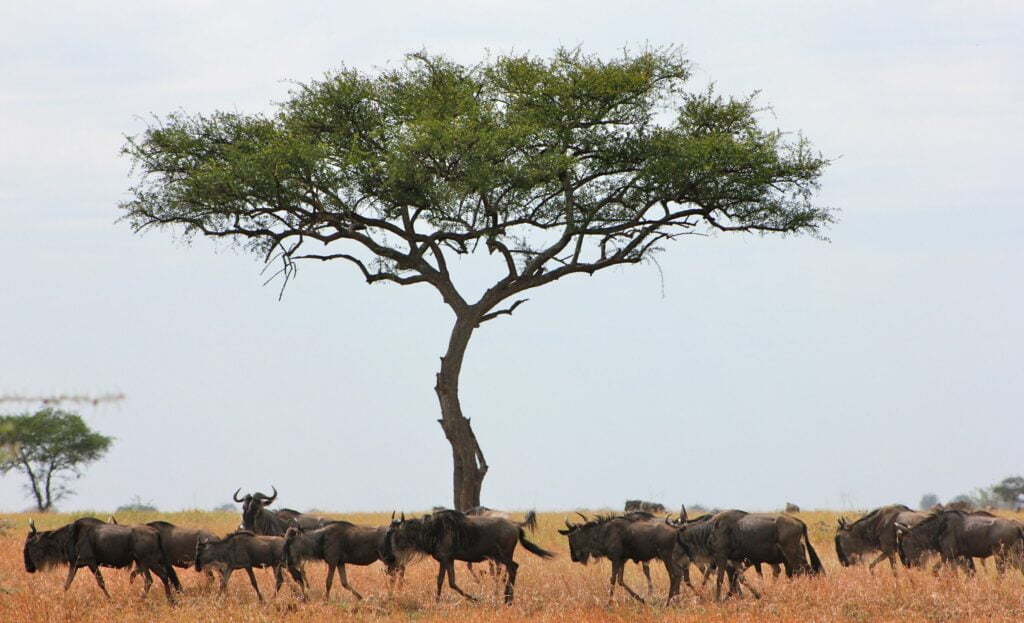
On a typical Serengeti safari you will almost certainly see wildebeest, zebra, giraffe, buffalo, and plenty of birds. Lions are common if you give the park two or three nights. Leopards and cheetahs take patience. Rhino is the hard Big Five animal. This page is what guests actually photograph on a normal game drive. For a species-by-species list, use the Serengeti animals wildlife guide. For photos, use the Serengeti animals list with pictures.
Short answer: on a three- to four-day Serengeti safari with a skilled guide, you will almost certainly see lions, elephants, buffalo, zebra, wildebeest, giraffe, gazelles, hippos, and a mix of predators including cheetah and hyena. Leopards are common enough to hope for, rare enough to celebrate. Black rhino inside Serengeti proper is the Big Five outlier. Wildlife on a Serengeti safari is abundant, but nature does not run on a timetable – and that gap between expectation and reality is where great trips are won or lost.
Want a Serengeti animals list with pictures? Open our Serengeti wildlife gallery – photo cards for 90+ mammals and 500+ birds – then return here for what you will realistically see on game drives.
Want a safari built around the Serengeti animals you care about most? Request a travel proposal. Also compare Serengeti safari cost and how many days you need.
What Serengeti Animals Mean on a Real Game Drive
Before my first season guiding in northern Tanzania, I assumed “safari” meant constant action – predators stalking, herds stampeding, every bend a new headline species. The truth is quieter and stranger. Most minutes on a game drive are golden grass, acacia silhouettes, and heat shimmering off hardpan. Then, without warning, a lioness walks out of nowhere and your heart forgets how to beat normally.
Serengeti National Park holds roughly 70 large mammal species and hundreds of birds across about 14,750 square kilometers of grassland, woodland, and river valleys. No one sees all of them in one trip. What you will see is a curated slice shaped by where your lodge sits, which loops your guide chooses, and whether you are in Seronera during dry season or Ndutu during calving. The animals of Tanzania Serengeti are famous globally because density and visibility are exceptional – not because every animal performs on cue.
Use our Tanzania map to orient yourself before travel. The Serengeti sits northwest of Arusha, bordering Kenya’s Masai Mara and the Ngorongoro Conservation Area. Understanding geography helps you interpret why your Day 2 looks different from someone else’s Instagram reel filmed three hundred kilometers away.
Your First Morning in the Serengeti: What Happens
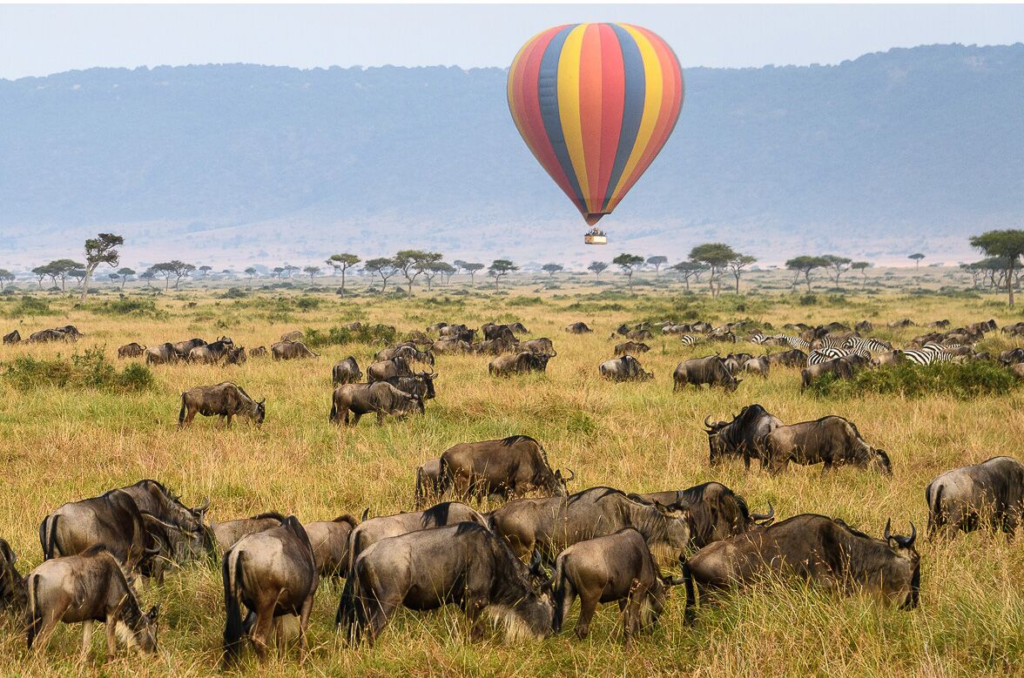
Gate opens near dawn. Coffee still warming your hands. Dust rises as the Land Cruiser rolls onto the track. Within twenty minutes most first-timers see zebra or wildebeest – sometimes both in numbers that make you laugh because you expected one postcard animal and got a moving carpet instead.
By mid-morning on a typical Seronera loop, lions appear with decent reliability. Not always hunting. Often sleeping in shade, bellies full, looking utterly unbothered. That is normal. Guides read tracks, listen to radio networks sparingly, and follow vultures when the sky thickens with them. Your first morning sets the tone: wildlife on Serengeti safari is present, but patience separates a good drive from a frantic checklist chase.
What guests expect vs what usually happens
- Expectation: Non-stop predator action from sunrise. Reality: Long peaceful stretches punctuated by unforgettable bursts.
- Expectation: Every Big Five animal in 48 hours. Reality: Four of five is excellent inside Serengeti alone.
- Expectation: Animals pose for photos. Reality: They move, hide, sleep, and sometimes turn their backs at the worst moment.
- Expectation: Empty wilderness. Reality: Famous sightings can draw multiple vehicles – see our Serengeti crowding guide for how to plan around that.
Serengeti Animals You Will Almost Certainly See
On a standard multi-day northern circuit itinerary with at least two full Serengeti game drives, these animals of Tanzania Serengeti show up for nearly every guest. I am not offering guarantees – wildlife is wild – but after hundreds of departures from Arusha, these are the sightings I would call “normal” rather than “lucky.”
Wildebeest and plains zebra
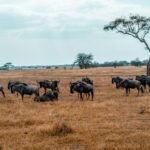
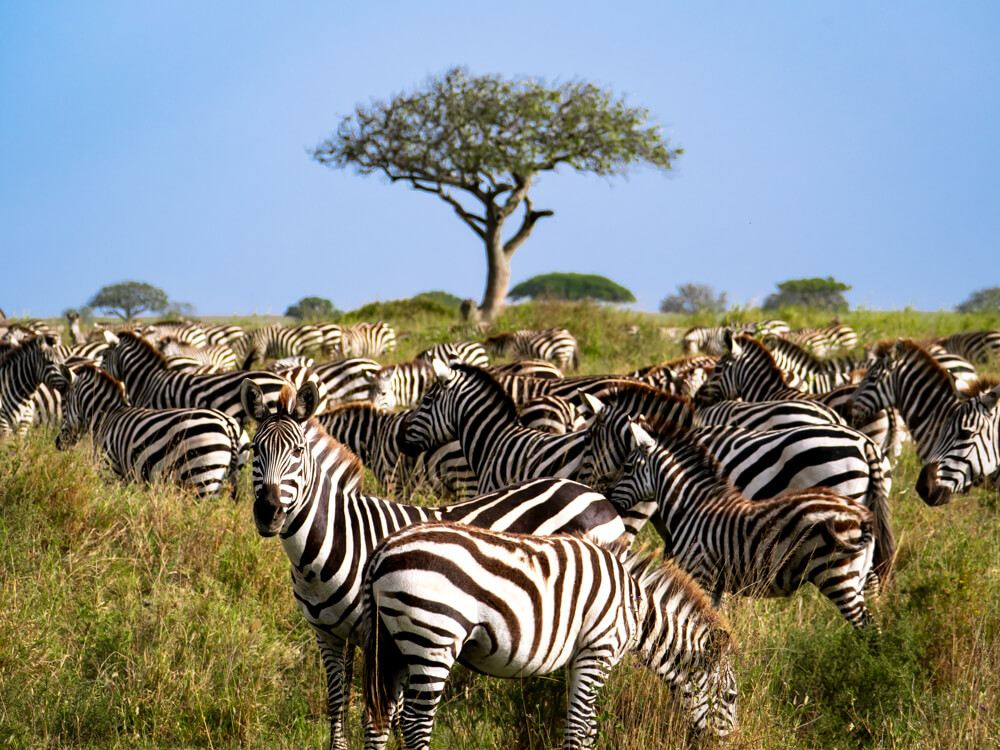
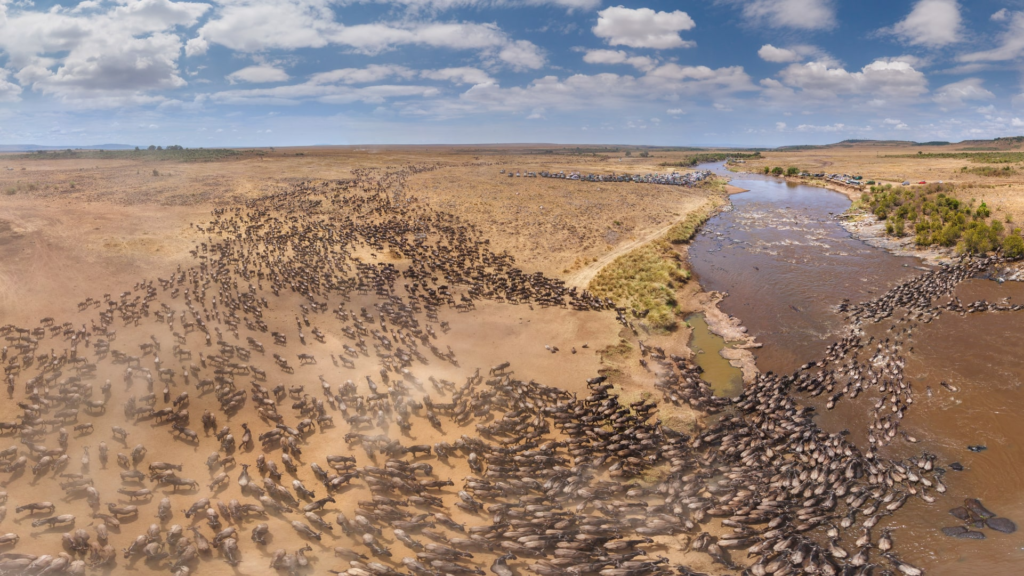
Even outside peak migration months, wildebeest and zebra define the Serengeti horizon. Numbers swell into millions during the Great Migration cycle. On a quiet green-season afternoon you might watch a few thousand animals grazing while superb starlings flash metallic blue across the bonnet. During dry season concentrations near water, the sound of hooves and lowing carries for kilometers.
Giraffe, buffalo, and antelope
Masai giraffe browse acacia tops on ridges. African buffalo move in herds through woodlands and open plains – often the Big Five member people forget until a bull stares straight through the windshield. Thomson’s gazelle, Grant’s gazelle, impala, topi, hartebeest, and eland fill the gaps between headline predators. First-timers sometimes overlook them; repeat guests know antelope behavior tells you where cats are hunting.
Hippos and crocodiles
Seronera River pools and hippo pods grunt through the day. Crocodiles bask on banks and explode into action during migration river crossings in the north and west. Even without a crossing, seeing a prehistoric crocodile slide off mud into brown water still feels like time travel.
Baboons, monkeys, and birds everywhere
Olive baboons and vervet monkeys appear at picnic sites and lodge edges – entertaining but not the reason you flew to Tanzania. Birds, though, surprise people. Martial eagles, bateleurs, secretary birds, lilac-breasted rollers, and vultures cleaning lion leftovers are daily ecology lessons. Birders should budget extra drive time; casual viewers still snap dozens of frames without trying.
Predators You Will Realistically See on a Serengeti Safari
Predators are why many travelers choose the Serengeti over gentler parks. Lions are the anchor species – social, visible, and present across most sectors. Cheetahs favor open short-grass plains in the south and east. Leopards haunt riverine belts and sausage trees, especially around Seronera. Spotted hyenas work day and night, often stealing the drama from cats at kills.
On a three-day Serengeti stay, I expect guests to see lions on at least two days, hyenas regularly, cheetahs with moderate luck, and leopards if the guide invests dawn or dusk in riverine loops. Jackals, bat-eared foxes, and servals are bonuses. African wild dogs occur in some sectors but remain a rare celebration sighting – do not build your itinerary around them.
Lions: the Serengeti headline
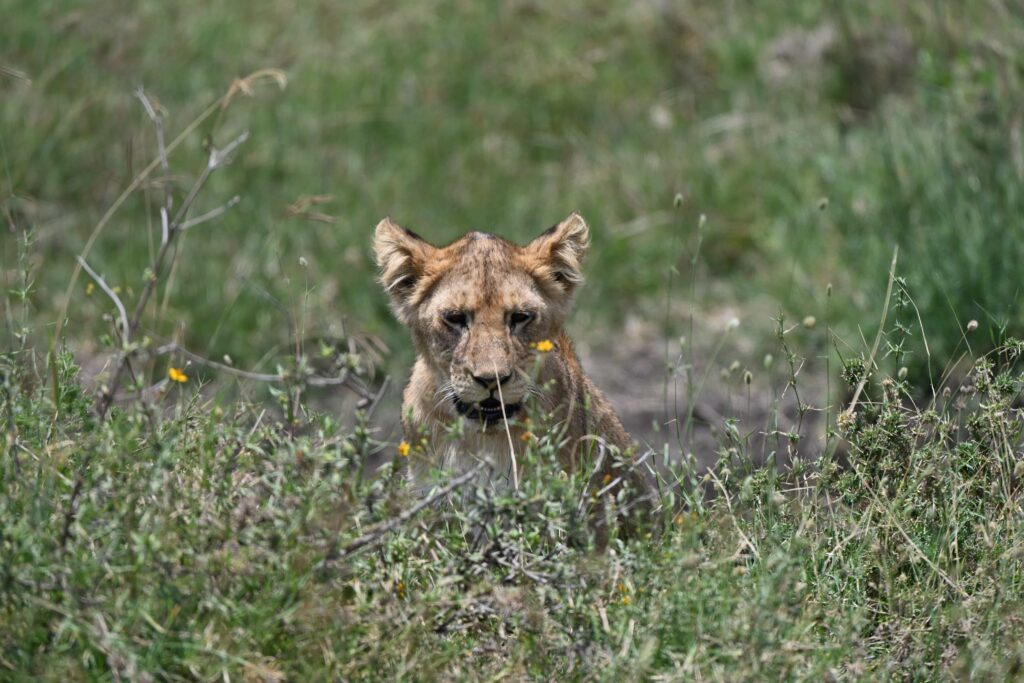
Serengeti supports one of Africa’s largest lion populations. Prides hold territories around kopjes and water. You will see lions resting more often than hunting – and that is fine. A pride of cubs tumbling over a mother at sunrise beats a distant dot through binoculars. For behavior and conservation context beyond this expectations guide, the pillar wildlife guide links to species pages with deeper detail.
Leopards and cheetahs: hope and patience
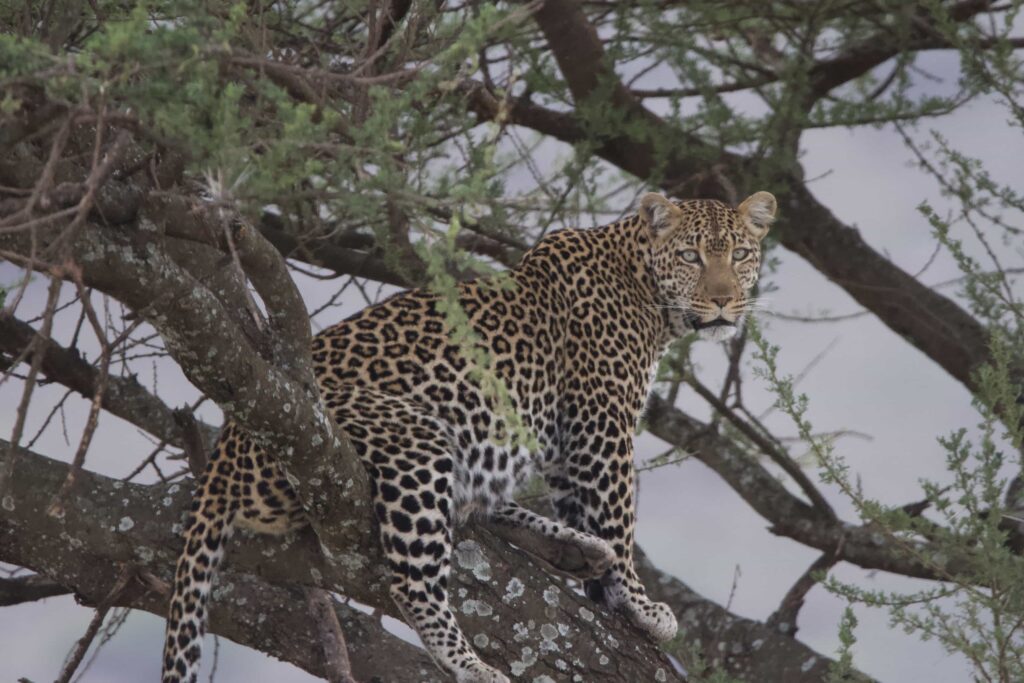
Leopards reward patience. A tail dangling from a fig branch, a kill hauled into a tree, a ghost crossing a track at last light – these moments stick with you for years. Cheetahs need space; vehicle crowding stresses them. Guides who keep distance protect both the animal and your memory. Southern Ndutu and eastern plains are classic cheetah country during calving season when gazelles abound.
Big Five Serengeti: Honest Odds for Travelers
The Big Five serengeti checklist – lion, leopard, elephant, buffalo, rhino – shapes many first safari dreams. Inside Serengeti National Park alone, four members are routine on a well-planned multi-day trip. Rhino is the exception. Small populations hide in Moru Kopjes and select northern sectors. Many operators improve rhino odds by combining Serengeti with Ngorongoro Crater, where crater-floor rhino viewing is among Tanzania’s most reliable.
Big Five sighting expectations table
Approximate likelihood on a 4-day Serengeti-focused safari with zone rotation and skilled guiding:
- Lion – Very high; often daily in dry season Seronera loops
- Leopard – Moderate to high with dawn drives in riverine habitat
- Elephant – High in woodlands; see below for zone tips
- Buffalo – Very high; herds on plains and at water
- Rhino – Low inside Serengeti; much higher if Ngorongoro Crater is included
Ticking all five inside Serengeti proper in one trip is possible but not something I promise. Tick four comfortably, treat rhino as a bonus unless your route includes crater time. The Serengeti wildlife gallery shows what each species looks like in habitat so you recognize them quickly when they appear.
Elephants, Buffalo, and the Grazers That Fill Your Day
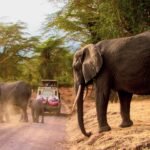
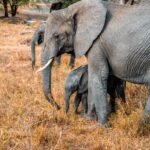
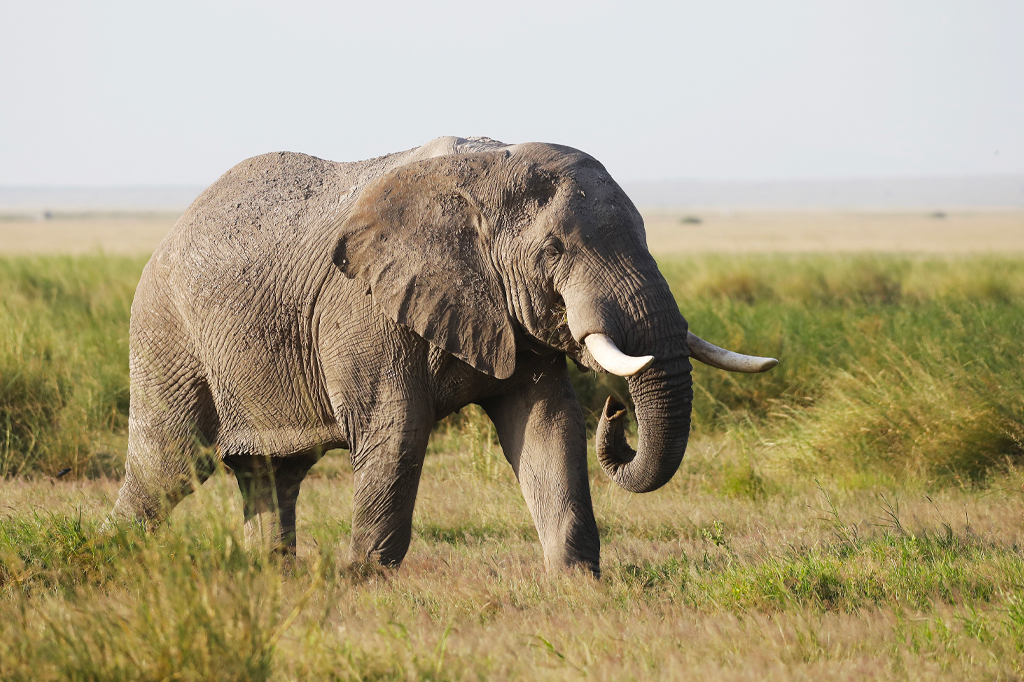
Elephants surprise guests who expected Tarangire-level density. Serengeti elephants are present year-round but favor woodlands, kopje foothills, and western river belts over open short grass. On two or more full game days I expect elephant sightings on most itineraries. Family groups with calves are emotional highlights – I still remember a youngster practicing trunk control while its mother stripped bark ten meters from our silent vehicle.
Buffalo feel underrated until you are close to a herd crossing the track. Bulls stare with unsettling calm. Combined with lions nearby, buffalo become part of predator drama rather than background. Wildebeest and zebra numbers fluctuate with migration timing; our best month for Tanzania and Serengeti safari guide maps where herds concentrate month by month.
Rare Animals in the Serengeti: Manage Your Wish List
Every season someone asks about wild dogs, pangolin, aardvark, caracal, or serval as if they are scheduled attractions. Rare animals in Serengeti exist – painted wolves appear in some western and southern sectors, servals hunt grass edges at dawn, pangolins roll up when disturbed at night – but building a trip around them invites disappointment.
Black rhino inside Serengeti is rare but documented, especially Moru Kopjes. Roan antelope and lesser kudu occur in limited range. Honey badgers and genets flash past at night on lodge drives. Treat these as lottery wins. Your core Serengeti animals experience should rest on lions, herds, elephants, cats, and the migration cycle if dates align – not on species that require exceptional luck or specialist night outings.
Travel Tip: Tell your guide your top three species before the first drive. Prioritization helps routing – but accept that Serengeti rewards flexibility over rigid checklists.
Wildlife on Serengeti Safari by Park Zone
The Serengeti is not one habitat. Zone choice changes which Serengeti animals dominate your memory card. Operators who rotate sectors across multiple days deliver better expectations than one repeated Seronera loop.
Central Seronera Valley
Year-round water draws lions, leopards, elephants, hippos, and buffalo. Seronera is the reliable heart of wildlife on Serengeti safari – also the busiest for vehicles. Dawn drives here maximize cat sightings before midday clusters form.
Northern Serengeti (Kogatende, Lamai, Lobo)
Migration river crossings peak July through October when wildebeest push toward the Mara. Lions on kopjes, elephants in woodlands, crocodiles at crossings. Outside migration peaks, northern sectors feel quieter with strong predator viewing.
Western corridor (Grumeti)
Gallery forest, Grumeti River hippos, crocodiles, and elephants in riverine belts. Fewer vehicles than Seronera. Migration passages create seasonal spikes. Leopards along fig-lined watercourses reward patient guides.
Southern plains and Ndutu
Short-grass plains explode during calving season roughly January through March. Cheetah hunts, newborn wildebeest, and predator density attract filmmakers. Ndutu sits in the Ngorongoro Conservation Area borderlands – different rules and fees apply; confirm with your operator.
How Many Days to See Serengeti Wildlife Properly
One full day inside Serengeti shows you the park exists. Two days cover Seronera highlights. Three to four full game days let you rotate zones and raise odds for leopards, cheetahs, and quality elephant encounters. Rushing Serengeti into a single afternoon after a long drive from Ngorongoro is how guests leave saying they “saw wildlife” but missed the rhythm that makes the place magical.
Our detailed breakdown lives in how many days you need in the Serengeti. Quick reference for wildlife expectations:
- 1 full Serengeti day: Lions and herds likely; predators and elephants hit-or-miss depending on routing
- 2 full days: Solid introduction; Big Four common; leopard and cheetah possible
- 3-4 full days: Best balance for first-timers; zone rotation; migration positioning if season aligns
- 5+ days: Remote sectors, repeat quiet loops, photographer pacing
Ready to match days with a route? Browse all trips or ask us to tailor a northern circuit that protects Serengeti time instead of sacrificing it to transit.
Serengeti vs Ngorongoro Wildlife: What Changes
Most northern circuit safaris combine both. Wildlife feels different even though species overlap. Serengeti is vast, open, and migration-driven – you chase animals across horizons. Ngorongoro Crater is a contained bowl where density is extraordinary but space is limited. Crater floor drives often produce rhino, dense buffalo, flamingos on Lake Magadi, and black-maned lions in a single morning. Serengeti trades that compact certainty for scale and movement.
For Big Five serengeti completion, Ngorongoro fills the rhino gap many Serengeti-only itineraries leave open. For cheetah hunts on endless plain, Serengeti wins. For elephant photography in woodland, both deliver – Tarangire still leads Tanzania for elephant volume if elephants are your primary goal. Neither park replaces the other; they complement like chapters in one book.
Quick comparison for trip planning
- Scale: Serengeti enormous; Ngorongoro crater floor compact
- Rhino odds: Low in Serengeti proper; moderate to high on crater floor
- Migration herds: Serengeti core experience; not a crater feature
- Vehicle density: Both can crowd at peak sights; Serengeti has more escape routes
- Typical stay: 3-5 nights Serengeti; 1 crater descent plus rim lodge
How Season Changes Which Serengeti Animals You See
Season rewrites the script. Dry season June through October concentrates animals near permanent water – excellent lion and leopard viewing, predictable herds, dusty golden light. Green season November and March brings renewal, newborn wildebeest, predator hunts on short grass, and fewer tourists. Calving in southern Ndutu January through March is a different Serengeti animals spectacle entirely – cheetahs, hyenas, and lions targeting vulnerable young.
Long rains April through May quiet tourism but wildlife remains. Some remote camps close; roads challenge drivers. Guests who accept mud for solitude often report some of their best elephant and lion moments. Match dates using our best month guide and remember migration is a circle, not a single event – herd position shifts weekly.
Official park information and fee updates live on the TANAPA website. The ecosystem’s global significance is documented by UNESCO. Conservation pressures – habitat, corridors, climate – affect what future generations will see; our Serengeti conservation guide explains how responsible safaris help protect the animals you came to meet.
Sample Wildlife-Focused Serengeti Itinerary
This routing sketch prioritizes realistic Serengeti animals coverage across habitats. Adjust by migration position and lodge location.
- Day 1: Enter via Naabi Hill; afternoon Seronera cat and hippo loop
- Day 2: Dawn leopard search along river belts; midday elephant woodlands; sunset plains herds
- Day 3: Full day remote sector – western Grumeti or northern kopjes based on season
- Day 4: Southern or eastern plains for cheetah; optional Ndutu extension in calving window
- Day 5: Exit via different gate or fly-out; combine with Ngorongoro Crater for rhino
Crowd-sensitive travelers should read is the Serengeti crowded alongside this wildlife expectations guide – routing and season affect both sightings and vehicle peace.
Photography Expectations: What Your Camera Will Capture
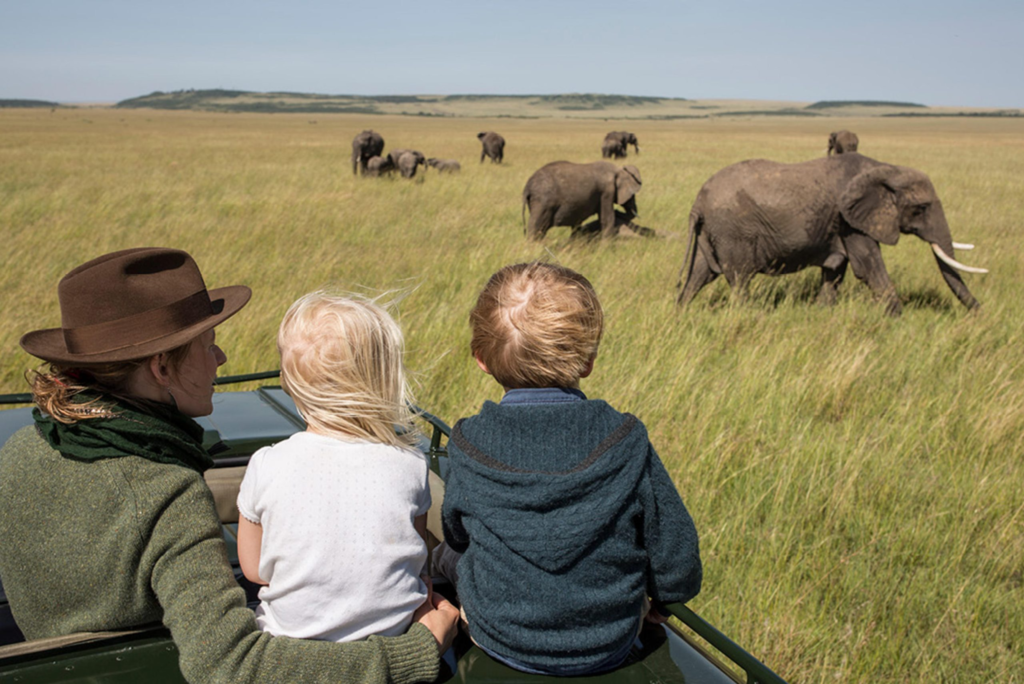
Serengeti light at dawn and dusk flatters every lens. Midday harsh sun flattens color – use it for rest, not despair. Telephoto reach matters for cats at distance; 100-400mm or equivalent is the sweet spot for most travelers. Wide angles capture herd scale and storm clouds building over plain.
- Bring spare batteries – dust and long drives drain power
- Polarizer helps haze on open grass midday
- Bean bag or window mount steadies shots from safari vehicle
- Put the camera down sometimes – binoculars teach behavior cameras miss
- Respect park distance rules especially near cheetahs and hunting cats
The wildlife gallery shows framing ideas species by species when you want inspiration before departure.
What I Loved Most About Serengeti Wildlife Encounters
The highlight that still catches me off guard is not always a kill or crossing. It is ordinariness at scale – a million wildebeest grazing while the sky turns pink and nobody else is within sight. Or a lioness walking parallel to our vehicle in green-season November, close enough to hear pads on hardpan, no radio chatter, just heat and grass smell and the weight of being small in a very old landscape.
I also love the first elephant family moment for guests – adults forming a protective arc around calves without any human instruction. Or the collective hush when someone spots a leopard tail in a fig tree. Wildlife on Serengeti safari still delivers those scenes. The skill is giving yourself enough days and the right guide to find them.
My Honest Experience Setting Wildlife Expectations
What exceeded my expectations after years in Arusha tourism is how forgiving the Serengeti is to well-planned first-timers. Guests who feared “missing everything” on a three-day stay usually leave with hundreds of photos and a clear favorite animal story. What surprised me early is how much disappointment comes from comparison – neighbor’s rhino sighting, a documentary filmed over six months, social media cropped to hide vehicles.
What travelers should know before flying: Serengeti animals are abundant but not obedient. Sleep through dawn and you miss leopard magic. Spend one afternoon in Seronera only and you wonder where elephants went. Skip Ngorongoro if rhino is non-negotiable. Choose operators who explain trade-offs honestly rather than promising Disney on wheels.
The pillar Serengeti animals wildlife guide is where we go deep on species biology, conservation status, and gallery links. This post is the expectation layer – what a normal safari week actually feels like when the plains cooperate and your guide reads them well.
Serengeti wildlife at a glance
Serengeti wildlife means more than the Big Five: migration herds, cheetahs on open plains, hippo pools, and 500+ bird species. Use this page for realistic safari expectations. For a Serengeti animals list with pictures, open the photo gallery. For deeper species notes, see the top animals wildlife guide.
Frequently Asked QuestionsHow we brief guests about Serengeti animals before day one
We talk odds, not guarantees. Lions are likely over enough days. Leopards ask for patience. Migration herds depend on month and zone. In my experience honest briefings create happier game drives than brochure fantasy. Pair this guide with our how many days in Serengeti advice so time matches hope.
The Serengeti hosts about 70 large mammal species including lion, leopard, cheetah, elephant, buffalo, rhino, wildebeest, zebra, giraffe, hippo, crocodile, hyena, and numerous antelope and birds. Exact sightings depend on season, zone, and trip length.
Yes, all Big Five species occur in the Serengeti ecosystem. Lions, leopards, elephants, and buffalo are commonly seen on multi-day safaris. Black rhino is rare inside Serengeti proper; combining with Ngorongoro Crater greatly improves rhino odds.
Lions are the most reliable predator, often seen daily in central Serengeti. Spotted hyenas are common day and night. Cheetahs favor open southern and eastern plains. Leopards appear in riverine areas with patience. Wild dogs and servals are occasional bonuses.
Black rhino, African wild dog, pangolin, aardvark, roan antelope, and lesser kudu are rare or highly localized. Treat them as lucky sightings rather than trip anchors. Focus core expectations on lions, herds, elephants, and common predators.
Two full Serengeti game days give a solid introduction. Three to four days allow zone rotation and better odds for leopards, cheetahs, and quality elephant viewing. One day shows highlights but limits flexibility.
Serengeti offers vast open plains, migration herds, and cheetah country across huge distances. Ngorongoro Crater packs high density into a small floor, excellent for rhino and buffalo in one morning. Most itineraries combine both.
Plan Your Serengeti Wildlife Safari from Arusha
You now know what Serengeti animals realistically appear on a typical safari – herds filling the horizon, lions on kopjes, elephants in woodlands, predators that reward patience, and rare species that should stay on your bonus list. Go deeper on every species in our wildlife guide, scroll the photo gallery, and map your route on the Tanzania map. Cluster planning posts cover how many days, best month, crowding, and conservation.
When you are ready to turn expectations into an itinerary, book now or explore all trips. The Zamadam Adventure Team plans northern circuit safaris from Arusha with honest wildlife briefings before you land – because the animals are already there; the magic is in meeting them on their terms.
Last updated: June 2026. Migration timing and park fees change; confirm season details when you book.
Written by the Zamadam Adventure Team, Arusha, Tanzania.
Plan your trip next
- Serengeti safari cost and prices
- How many days in the Serengeti
- 7-day Northern Circuit itinerary
- Serengeti wildlife gallery
- Request a travel proposal
Birdwatchers: don’t miss our dedicated kori bustard Serengeti guide and the Serengeti wildlife gallery.