A Ngorongoro Crater safari is one of the densest wildlife days you can do in Tanzania. The crater floor packs lions, elephants, buffalo, hippos, and often black rhino into a volcanic caldera you can explore in a single game drive. This guide covers what you will see, fees, best time, and how to fit Ngorongoro into a northern circuit. For stay-or-go, see Ngorongoro day trip vs overnight.
I plan Ngorongoro days from Arusha every week. Guests ask the same questions: is one crater day enough, should we sleep on the rim, and how crowded is it. Below is practical advice, not brochure talk. For day-trip timing debates, also see our Ngorongoro day trip vs overnight guide.
Quick answer: why Ngorongoro Crater is famous
Ngorongoro Crater is a UNESCO-listed conservation area with a collapsed volcano floor rich in grass, water, and prey. That concentration makes Big Five viewing more reliable in one day than in many larger parks. It is not a substitute for Serengeti scale, but it is an outstanding safari highlight.
What animals you can see in Ngorongoro Crater
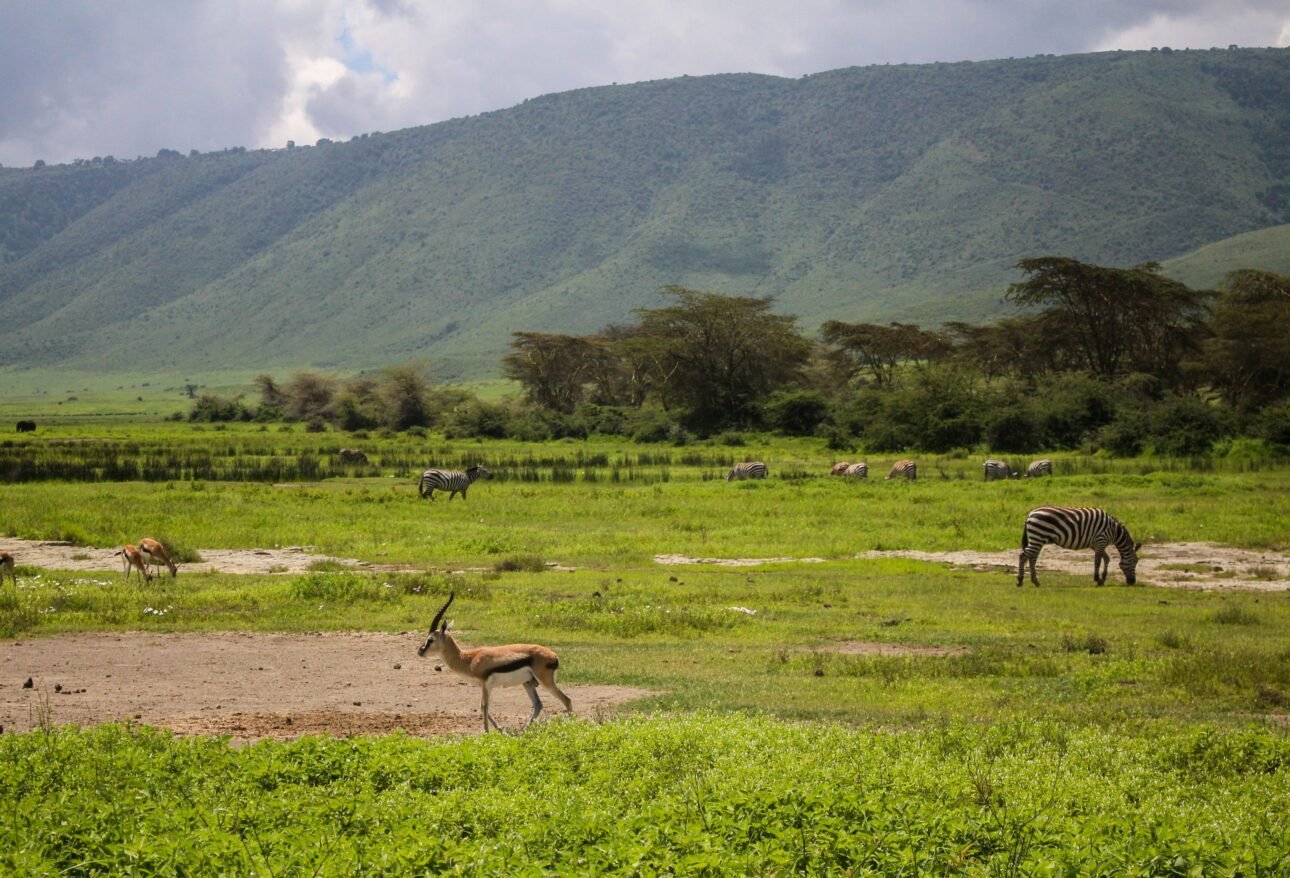
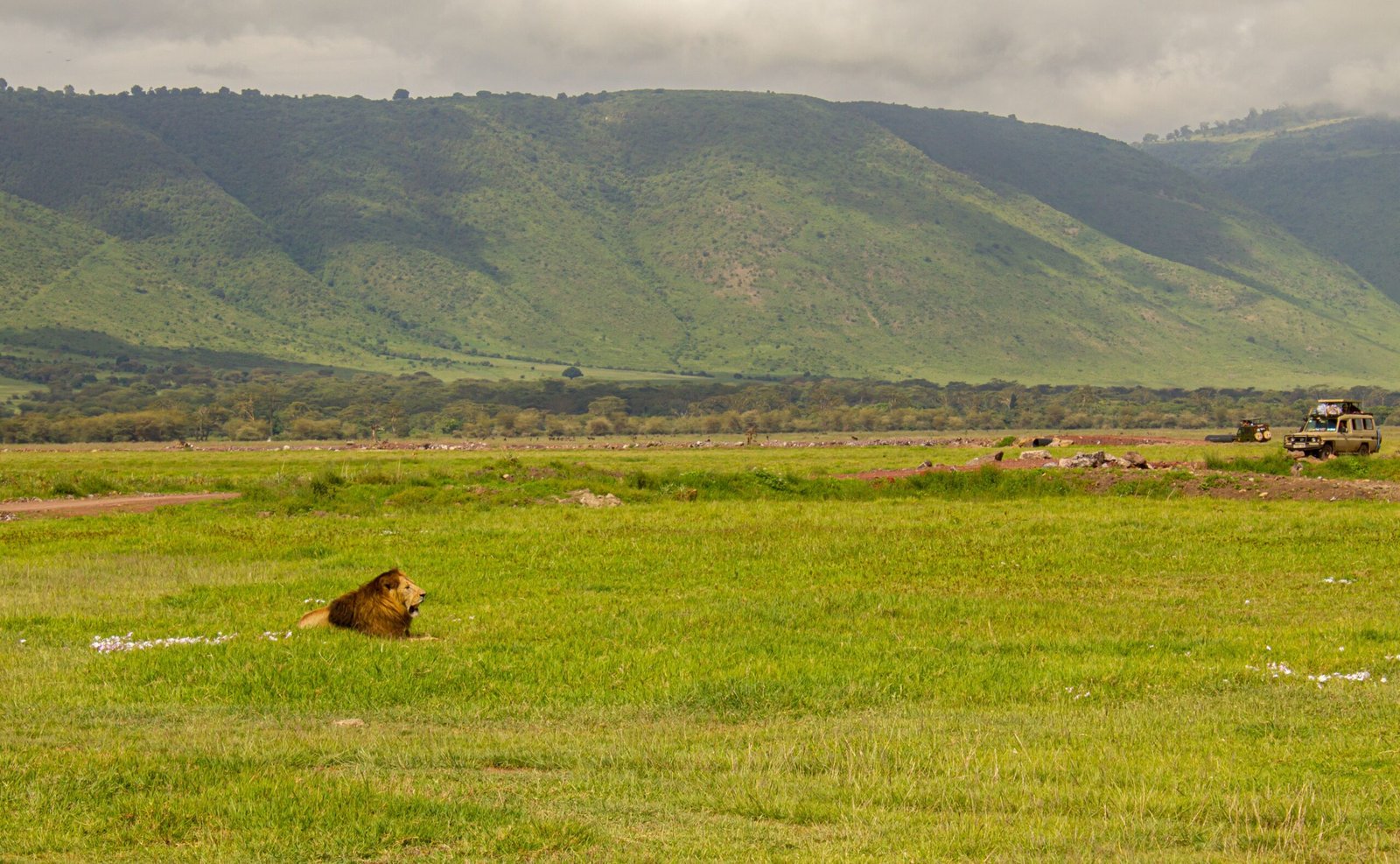
Expect strong chances for lions, buffalo, elephants, hippos, hyenas, wildebeest, zebra, and gazelles. Black rhino still occur and are a major reason many travelers prioritize the crater. Birdlife is excellent around the lake and marshes. Predators are often easier to find here than on a rushed Serengeti drive day.
Big Five reality check
Buffalo, lion, and elephant are commonly seen. Rhino is possible but never guaranteed. Leopard is the hardest of the classic Big Five inside the crater. Treat wildlife as probability, not a checklist contract.
Ngorongoro Crater day trip vs overnight
A day trip from outside the conservation area works if you accept an early gate time and a long transfer day. Overnight on or near the rim gives you a calmer morning descent and less rush. Most first-timers who can afford one rim night prefer it.
- Day trip: lower lodging cost, longer driving, tighter crater hours
- Overnight rim: better morning light, less transfer stress, higher lodge cost
- Best for most guests: one full crater day plus a rim night when budget allows
Best time for a Ngorongoro Crater safari
The crater is a year-round destination. Dry months (roughly June to October) make roads easier and concentrate animals near water. Green season brings lush views and fewer vehicles, with more rain risk. Pair crater timing with your Serengeti goals using our best month Tanzania safari guide.
Fees, rules, and what affects Ngorongoro safari cost
Ngorongoro fees are higher than a simple national park day and change with crater use rules. Always confirm whether your quote includes conservation fees, crater service fees, and vehicle fees. Rim lodges also price higher than many mid-range Serengeti camps. For country-wide budget bands, see Tanzania safari cost.
How a typical Ngorongoro Crater game drive works
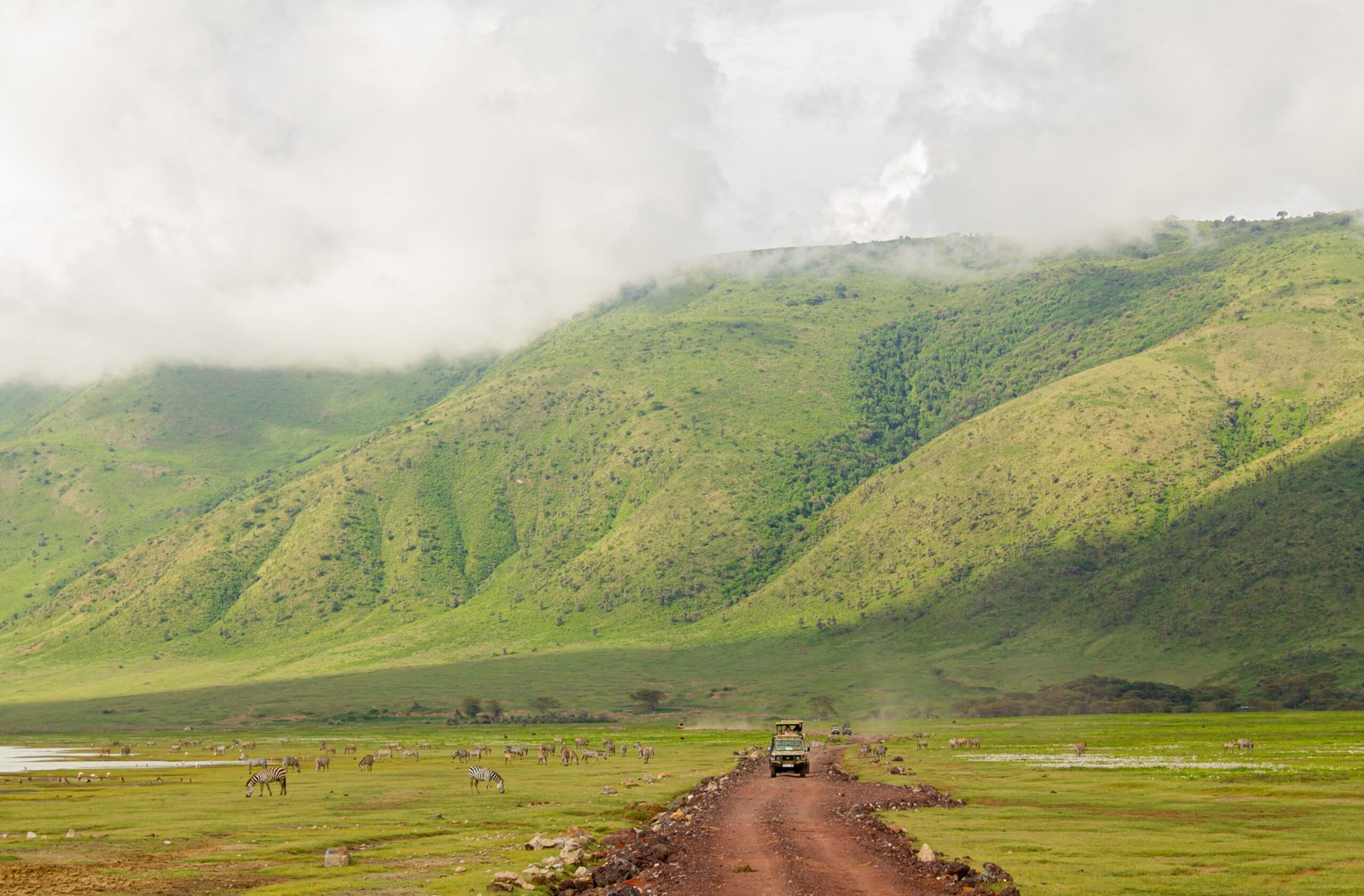
You descend into the crater, explore designated tracks, stop for wildlife and a picnic lunch in allowed areas, then climb out the same day. Off-road driving is restricted. Guides manage timing so you are not stuck in vehicle clusters at the same lion sighting all morning.
Crowds and how to keep the day special
Yes, popular sightings attract vehicles. A private vehicle helps you leave crowded clusters. Arrive early, stay flexible, and enjoy quieter corners of the floor. The crater is busy because it works; manage expectations and you will still have a memorable day.
Fitting Ngorongoro into a northern circuit itinerary
Classic flow from Arusha: Tarangire or Manyara, then Ngorongoro, then Serengeti (or the reverse on the way back). A strong 7-day plan usually keeps at least one dedicated crater day. See 7 day Tanzania safari itinerary and private safari from Arusha.
Ngorongoro vs Serengeti
Ngorongoro is intensity in a bowl. Serengeti is space, migration drama, and longer predator stories. Most travelers want both. If you only have three safari days, crater plus Tarangire can work; if you have a week, do not skip Serengeti.
Maasai culture and crater highlands context
The Ngorongoro Conservation Area is a multiple-land-use landscape, not only a crater floor. Cultural visits should be respectful and fairly paid. Ask what is included before you book a village stop so it feels genuine rather than rushed.
Practical tips for your crater day
- Bring a warm layer for the rim morning and sun protection for the floor
- Carry binoculars; distant rhino and birds reward patience
- Confirm picnic lunch arrangements with your operator
- Follow guide instructions on distance and vehicle positioning
- Do not expect bathroom stops everywhere; plan ahead
How Zamadam Adventure plans Ngorongoro days
We build private northern circuit trips from Arusha with clear fee inclusions and realistic crater timing. Tell us your month, nights, and whether rim lodging matters. Browse all trips, read the Tanzania safari tours hub, then contact us for a quote.
What to pack for Ngorongoro Crater
Rim mornings can be cool even in dry season. Pack a fleece, hat, sunscreen, and dust cover for cameras. Closed shoes help at picnic stops. Keep the packing list light; you will spend most of the day seated in the vehicle.
Common Ngorongoro safari mistakes
- Trying to combine a full crater day with a long Serengeti transfer the same afternoon
- Assuming rhino sightings are guaranteed
- Comparing quotes that hide crater fees
- Skipping binoculars and then missing distant wildlife
Final verdict
If you want a high-probability wildlife day in Tanzania, include a Ngorongoro Crater safari. Pair it with Serengeti nights for space and migration stories, and decide early whether a rim overnight is worth the comfort. That combination is why the northern circuit stays the classic first safari route.
In my experience: the first crater descent still gets me
I still remember the first time I drove guests down into Ngorongoro Crater and watched the floor open like a bowl of light. Zebras stitched the grasslands. A hyena jogged the track edge. Someone in the back seat stopped talking mid-sentence. That silence is why people come.
What I did not know early on is how much timing changes the day. Early descent, patient loops, and a smart picnic plan matter more than racing every sighting. In my experience a calmer crater day beats a frantic checklist day every time.
Day trip versus overnight on the rim
Day trips from Arusha or Karatu work if you accept a long day. Overnight on the rim gives you an earlier start and a softer evening. Looking back, couples and photographers usually thank us for the rim night. Families with young kids sometimes prefer Karatu lodges for easier dining and rest.
Wildlife you can realistically hope to see
Lions, buffalo, elephants, hippos, and dense plains game are common on strong days. Black rhino sightings happen and feel special when they do. Birds can steal the show after rain. No guide can promise a rhino on demand – and any company that does should worry you.
How we plan a strong crater morning
Early gate timing, layers for the rim chill, and a clear picnic strategy. We work lakes, open grasslands, and forest edges without turning the day into a race. In my experience the best sightings often come when you stay longer in one productive sector instead of chasing radio calls across the floor.
Crowds, fees, and what guests misunderstand
Ngorongoro is popular for a reason. Peak weeks feel busier. That does not mean the day is ruined. Private timing and patience still create quiet moments. Fees and crater service costs should appear clearly on your quote – if they do not, ask. What I did not appreciate as a new planner is how often unclear crater fees cause booking stress later.
Best time for Ngorongoro Crater safari days
Year-round wildlife makes this park a northern circuit anchor. Dry months help open-floor spotting. Green months bring lush rim views and strong birding. Match the wider calendar with our best time for a Tanzania safari guide.
Combining Ngorongoro with Serengeti and Manyara
Most week-long routes use Ngorongoro as a bridge between Arusha-side parks and Serengeti. Manyara the day before can work beautifully. For opener choices see Tarangire vs Manyara. For full-week structure use the 7 day itinerary.
Mistakes I try to stop before descent
- Starting too late and fighting midday heat and traffic.
- Expecting every Big Five animal on a single short loop.
- Skipping layers and regretting the rim wind.
- Treating crater day like a theme park with guaranteed schedules.
- Forgetting water, binoculars, and a patient mindset.
A crater story I still tell in briefings
We once waited through a dusty stretch with little action. Guests got restless. Then a rhino appeared in clean light near a waterline and the whole vehicle went quiet. Looking back, that wait taught them more about safari than any quick sighting. Ngorongoro rewards people who can stay present.
Photography tips from the crater floor
Morning side light is kinder than harsh noon. Keep a mid-zoom ready because scenes change quickly from lake edge to open grass. Dust can add drama and also soft focus – protect lenses. In my experience the best frames often include a bit of landscape context, not only tight animal portraits.
Family and accessibility notes for Ngorongoro
The descent road is winding. Motion-sensitive travelers should say so early. Kids usually love the density of wildlife once on the floor. Keep crater hours realistic. Our family safari Tanzania guide covers pacing beyond this park alone.
What I tell guests the night before
Sleep early. Lay out layers. Charge batteries. Come curious, not demanding. Ngorongoro Crater safari days are generous when you let the floor unfold. If you want us to build crater timing into a full northern circuit, contact us with your month and group size.
For operator checks before you book any crater package, use how to choose a Tanzania safari company. For money planning, keep Tanzania safari cost open beside your quote.
Season-by-season crater notes from the field
June to October: crisp mornings, strong mammal spotting, busier popular loops. November to March: greener rim, excellent birding windows, softer light after storms. April to May: quieter and value-friendly with flexible timing. In my experience guests who pick season for the right reason – not for forum peer pressure – leave happier.
Cultural stops near the conservation area
Some travelers want a Maasai village visit near the crater. Done respectfully, it can add context. Done as a rushed photo stop, it feels hollow. Ask how the visit is organized and whether communities benefit. Looking back, the meaningful visits are the ones with time for conversation, not only snapshots.
Final crater planning prompt
Tell us whether you want a day trip or rim overnight, your month, and who is traveling. We will design an Ngorongoro Crater safari day that protects wildlife time and energy. That balance is the real luxury of a well-built northern circuit.
Packing for crater day specifically
Rim mornings can be cold. Floor midday can be bright and dusty. Pack a fleece, sun hat, sunscreen, binoculars, and a reusable water bottle. Full packing detail sits in our Tanzania safari packing list. In my experience guests who prep layers enjoy the descent more because they are not shivering through the first hour.
Why Ngorongoro still anchors our northern circuit designs
Because density plus scenery creates reliable wow for first-timers. Serengeti is vast and essential. Tarangire and Manyara add character. Ngorongoro often becomes the day guests describe first when they get home. That is why we protect crater timing carefully in every quote.
What I wish first-time visitors knew about crater timing
Ngorongoro crater day is not a casual drive you can stretch forever. Descent windows, floor routes, and ascent rules shape the afternoon. What I did not know early on was how much a late rim breakfast can cost you in soft light on the floor. Now we brief guests the night before: early start, layers ready, cameras charged, and realistic expectations about how long you can stay down.
I still remember a morning when mist sat on the rim like a curtain. Guests were quiet in the vehicle. Then the floor opened and elephants moved through wet grass as if the caldera had been waiting for us. That is the Ngorongoro feeling – dense, cinematic, and worth protecting in the itinerary instead of treating as a checkbox.
How Ngorongoro pairs with Serengeti and Tarangire
Serengeti gives scale. Tarangire gives baobabs and elephant herds. Ngorongoro gives concentration. In a northern circuit week those three moods matter more than collecting every park name. Our 7 day Tanzania safari itinerary guide shows how we sequence them without turning travel days into punishment.
If you only have one crater day, we still design the rim night carefully so you are not racing from a distant lodge before sunrise. Looking back, rim lodging or smart positioning near the conservation area is one of the quiet upgrades that makes Ngorongoro feel premium even on a mid-range budget.
Fees, permits, and why quotes look different
Conservation fees and crater services change over time, and operators may package them differently. Ask what is included for the descent day, whether lunch is picnic or lodge-based, and how many hours on the floor are planned. Transparent quotes prevent surprise costs later. Use Tanzania safari cost for broader budget context, then request a Ngorongoro-specific line item in your proposal.
Wildlife expectations without overselling
Black rhino sightings are possible and thrilling, not guaranteed. Lions, buffalo, hippos, flamingos in season, and large elephant groups are more typical. Birdlife rewards patience. In my experience guests who arrive curious rather than checklist-driven enjoy the caldera more, because every wetland and grassland patch has its own rhythm.
A practical Ngorongoro day flow
Early departure from the rim, descent in soft light, slow circuits around wetlands and open grassland, a picnic stop when allowed, then ascent before the afternoon window closes. In my experience that rhythm beats a late, rushed loop every time. Ask us to protect this flow when you request a quote via contact us.
One full day on the crater floor is enough for most first-timers. Add a rim night if you want a calmer morning descent and less transfer stress.
Lion, buffalo, and elephant are commonly seen. Black rhino is possible but not guaranteed. Leopard is the hardest. Treat it as strong odds, not a promise.
Year-round. Dry months are easier for roads and viewing near water. Green season is greener and often quieter, with more rain risk.
Popular sightings can draw many vehicles. A private vehicle, early timing, and a patient guide help you move to quieter areas.
If budget allows, yes for most travelers. You gain a better morning start and a less rushed day compared with a long day trip from outside.